

12 Tax Business Marketing Strategies to Grow Your Firm
Networking and referrals still hold value for tax firm growth, but stronger results come from a mix of older methods and newer digital channels.
However, there’s a versatile method that tax businesses might not be using to its full potential: SMS marketing.
Appointment reminders, follow-ups, document requests, and review requests can all happen through one channel that clients are more likely to see and answer.
When integrated thoughtfully into your overall marketing strategy, it can provide direct and personal communication with your clients.
In this guide, we will explore how combining the different strategies below can create a comprehensive and effective marketing plan for tax professionals.
TL;DR
- Tax business marketing helps you get more leads, stay visible, and keep past clients engaged through a mix of online and offline promotion.
- Online channels such as your website, SEO, social media, email, content, and PPC can help people find, contact, and trust your service.
- Offline strategies such as SMS marketing, networking, direct mail, referrals, speaking events, and community sponsorships keep your firm connected to local clients.
- SMS stands out because it supports faster replies, appointment reminders, paperwork follow-up, review requests, and return-client outreach during tax season and after filing ends.
- Textellent helps you automate booking reminders, missed-appointment follow-up, review requests, two-way texting, and client outreach tied to tax software activity.
What Is Tax Business Marketing?
Tax business marketing promotes tax services to attract and keep clients. It uses a variety of strategies and activities to reach potential customers and make them aware of the services you offer.
Tax season marketing covers more than ads. It also includes your website, Google Business Profile, positive online reviews, email, text messages, local events, social posts, referral programs, and blog content.
Each part helps more people find your firm and learn why they should choose you. It also supports stronger client contact while keeping past clients engaged.
6 Online Marketing Strategies for Tax Businesses
Online marketing can help you get found, win trust, and bring in more leads. Here are six effective ways to market your tax business online.
1. Build a Professional Website
Your website is the first impression potential clients will have of your tax preparation service. Make sure it’s professional, easy to navigate, and informative.
You can include essential elements like services offered, your team’s background, client testimonials, and contact information with your business name. A blog section with regular updates can also add value through useful tax tips and industry news.
2. Search Engine Optimization (SEO)
A strong SEO plan can help your website appear higher in search results. Keyword research can show what terms potential clients search for, such as “tax advisory services for small businesses” or “affordable tax services.”
Those keywords should appear naturally in your website content, titles, and meta descriptions. Better site authority can also come from quality backlinks and local SEO.
Client feedback also supports SEO results. Positive feedback and Google reviews, along with thoughtful replies, can support your firm’s image and search visibility.
3. Social Media Marketing
Social media platforms can create a strong link with potential clients.
The best choice depends on where your audience spends time. LinkedIn, Facebook, and Twitter (X) are common options for tax businesses.
Useful content can include tax-saving tips, deadline reminders, and updates on tax laws. Regular social media posts can also support trust and build relationships with your audience.
4. Email Marketing
Email remains a pillar of marketing and creates a simple way to stay in touch with clients and prospects.
Your tax season emails to clients can cover deadline reminders, document checklists, appointment details, tax law updates, return status notes, and follow-up messages.
A segmented list can improve engagement because each group gets email drip campaigns that fit its needs. You can set up a series for early tax season outreach, missing paperwork reminders, appointment preparation, or post-filing follow-up.
5. Content Marketing
Content marketing helps address client tax concerns with useful and easy-to-read information. Blog posts, videos, guides, and checklists can all serve as valuable information for readers.
High-quality content can attract new tax clients and position your accounting firm as a trusted source in the tax field. Helpful articles can also answer early questions from people looking for tax help.
6. Pay-Per-Click (PPC) Advertising
PPC advertising can bring traffic to your website in a short time. Platforms like Google Ads let you target keywords tied to your services.
A paid search plan for advertising tax services can also give you control over your marketing budget while reaching people who are already searching for tax support.
A focused landing page can turn more of that traffic into leads.
6 Offline Marketing Strategies for Tax Businesses
While online marketing is important for reaching a wider audience, offline marketing remains a powerful tool for tax businesses to establish a local presence and build strong relationships.
Here are effective offline marketing strategies that can complement your online efforts:
1. SMS Marketing and Client Servicing
SMS marketing is one of the strongest ways for tax firms to bring past clients back for a new tax season.
A short text can remind last year’s clients to book an appointment, choose a drop-off time, or start their tax prep with less back and forth.
The value of SMS goes far beyond simple outreach. Appointment reminders, missing document notices, tax law updates, and deadline alerts can all reach the right clients. This helps keep the process moving and cuts down on stalled returns.
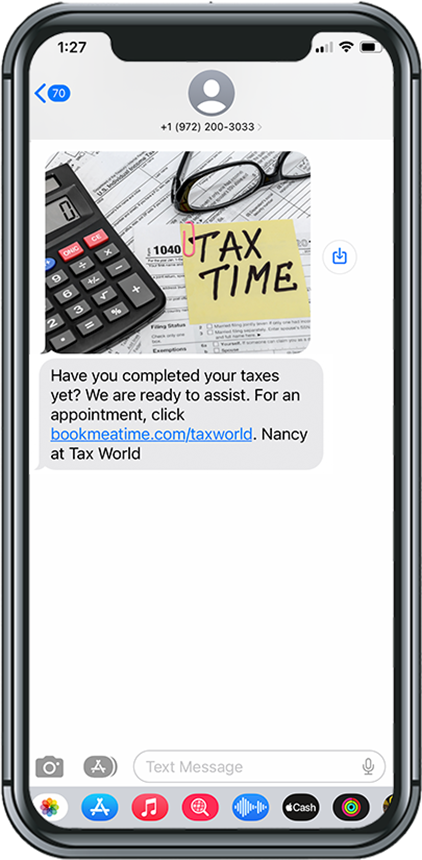
Speed matters during busy months. An SMS marketing campaign can support faster action from clients who still need to send forms, confirm details, or reply to questions.
Regular text communication also helps your firm stay visible all year. Your tax preparation business stays connected to current clients during tax season and after filing ends.
Sign up for a free trial or request a demo consultation with Textellent today to see how it can support a smoother client experience for your tax firm!
2. Networking and Partnerships
Networking can help grow your client base and form strong local ties.
Local events, industry conferences, and seminars can connect your firm with people who need tax support and can turn into paying clients.
Partnerships with local businesses can also bring in referrals and new contacts. Those connections can support marketing efforts by reaching your target audience in a more personal way.
3. Direct Mail Campaigns
Direct mail still has value for tax firms that want local reach. Postcards, brochures, and letters can introduce your services to new clients in a competitive market.
A strong mail piece should show what makes your firm different. Special offers for new business prospects, such as a free consultation or first-time discount, can bring in attention.
4. Referral Programs
Word-of-mouth still carries weight in the accounting industry. Discounts, service perks, or small rewards give people a reason to refer others.
Since it’s often awkward to ask for referrals, asking via a text message once an existing client’s return is done is a smart SMS strategy.
You can easily send an SMS review request with your link included to make it easy for clients.
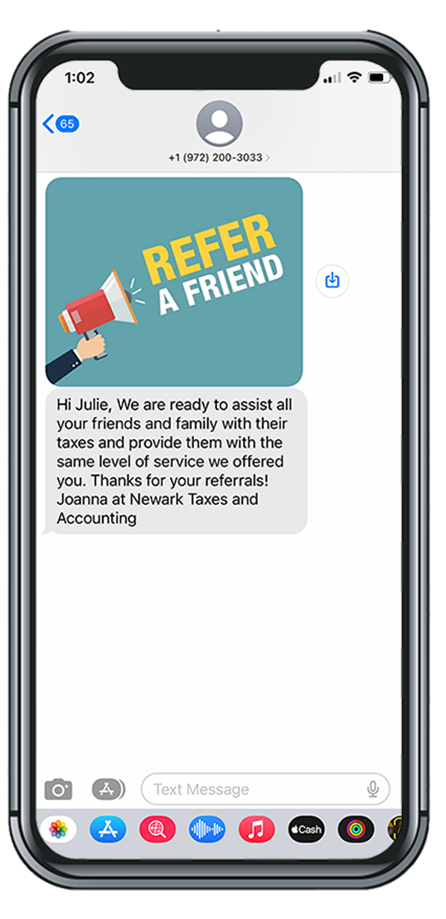
Satisfied clients are more likely to reply to a short text. More referrals and positive reviews can support your firm’s reputation and bring in more local trust.
5. Speaking Engagements
Speaking at local events can put your firm in front of people who want tax help. Workshops and community talks can show your expertise and give people useful answers in a setting built on trust.
Helpful sessions should focus on real tax topics people care about. Short talks with practical tips and space to answer questions can leave a strong impression.
A public talk can also build trust before a person ever calls your office. That kind of visibility can build credibility and give your brand a more human side.
6. Community and Local Sponsorships
Event sponsorships, school programs, charity drives, and small business meetups create a powerful foundation for local name recognition.
A local presence can also put your firm in front of families and business owners who may feel overwhelmed during tax season. Printed materials, branded booths, and friendly conversations can show people where to turn for tax support.
Community sponsorships also show that your firm cares about the area it serves. That kind of presence can leave a good impression.
The Power of SMS Marketing in the Tax Industry
In tax work, quick communication can keep appointments, documents, and filing tasks on track.
SMS marketing is a powerful tool for accounting professionals who need a fast way to share important updates with clients.
Because text messages typically have higher open rates than email campaigns, important notifications such as tax updates are promptly read.
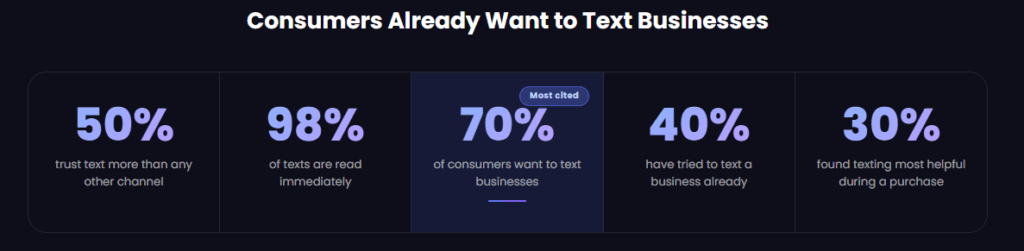
Clients value the convenience of SMS, which allows them to receive timely updates without needing to check emails or handle phone calls.
This method integrates smoothly into their daily routines and improves their experience with your tax preparation services.
SMS marketing is also a cost-effective marketing method for tax preparers. It provides a significant return through high engagement and improved client retention.
Many SMS tools, including Textellent, can also connect with tax software. Messages can go out on their own based on client actions, deadlines, missed appointments, or booking reminders.
How Textellent Can Improve Your Tax Season Communication
If you offer accounting services, smooth interactions keep your tax processes moving.
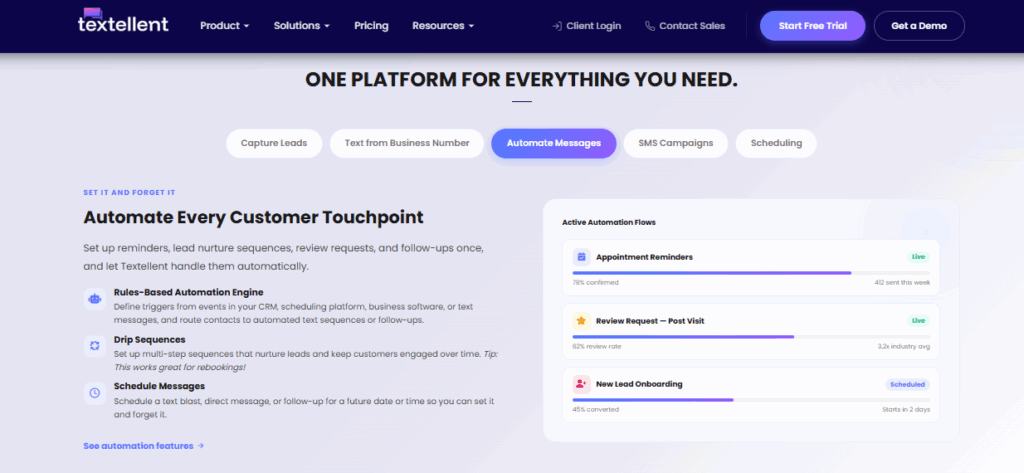
Textellent can automate key parts of tax client communication, from booking and reminders to follow-up texts and review requests.
Automate Appointment Booking and Reminders
Missed appointments can disrupt your schedule and delay important tax work.
Textellent can support online appointment booking tied to your calendar. Clients can pick from open time slots, book on their own, and get text and email confirmations right after scheduling.
Automated reminders can also go out before the appointment. Those reminders can include notes about what paperwork to bring, which can help reduce no-shows and keep appointments on track.
Send Messages Based on Client Activity
Textellent integrates with most tax preparation software. This SMS integration allows you to automate communication based on specific triggers.
A message can go out for missing paperwork, upcoming due dates, status updates, or reminders to come back for a new tax season.
That setup helps you stay in touch at the right points in the client cycle. You can keep communication moving without sending every message one at a time.
Use Two-Way Texting from Your Office Number
Textellent can text-enable your office phone number so that staff can send and receive messages from one business line. That setup keeps communication simple and professional for your office and your clients.
Two-way texting also helps staff reply faster to client questions or when they need updates on tax returns. One shared number can make it easier to manage follow-up and keep conversations in one system.
Bring Back Missed Appointments
Missed appointments can hurt your schedule and slow down tax work. Textellent can send an automatic text that asks clients to reschedule after a missed visit.
That kind of follow-up can help bring lost appointments back onto the calendar. It can also protect revenue during busy filing periods.
Automate Review Requests
Textellent can also support follow-up after a return is done. You can send a survey via text, request a referral, or invite past clients to book again for the next tax season.
Seasonal promotions and birthday messages can also keep your firm top of mind all year. Ongoing contact can support stronger client loyalty and more repeat work.
Match Pricing to Your Tax Firm
Textellent provides pricing options designed especially for tax professionals.
With their unique calculator, you can determine SMS marketing costs tailored to your specific requirements, ensuring you receive the best value for your investment.
Bring Speed to Your Tax Business Communication With Textellent
Tax business marketing can bring in traffic. But real growth comes from fast follow-up and strong client communication.
When a lead reaches out, a missed reply or a late reminder can cost your firm a booking, a review, or a returning client.
Textellent helps you stay connected from first contact to post-filing follow-up. Automated texts for appointments, document reminders, review requests, and return-client outreach keep your firm active during tax season and visible long after it ends.
It also includes artificial intelligence tools that can polish your text messages and translate them into other languages. Your outreach stays on-brand and is easier for more clients to read.

If your goal is more bookings, fewer missed appointments, and stronger client retention, sign up for a free trial or request a demo consultation with Textellent today!
FAQs About Tax Business Marketing
How do loyalty programs work for tax services, and are they effective?
Tax firms that send marketing texts in the U.S. need prior express written consent. The FCC’s One-to-One Consent Rule says that consent must be tied to one seller at a time.
Marketing texts should also include a simple way to opt out, while service texts still need care in how consent and message type are handled.
Tax firms should also avoid putting sensitive details in a text. Social Security numbers, full tax account data, and other private client data belong in secure channels.
Are there specific marketing strategies for corporate versus individual tax clients?
Yes. Corporate clients usually respond better to content tied to cash flow, compliance, planning, and industry-specific tax support.
In contrast, individual clients respond better to simple tax tips, filing reminders, and advice shaped around life stage or income bracket.
Your message and channel should match the client type. Company pages, service pages, and listings in online directories can support business-focused search intent. Consumer campaigns may do better with simpler offers and seasonal reminders.
What legal requirements must tax professionals consider when sending SMS messages?
Loyalty programs for tax firms usually reward repeat bookings, referrals, or added services with discounts, service credits, or bonus support. They can work well because tax clients return each year, which makes retention a strong part of growth.
The best loyalty offers stay simple and give people one clear call, such as book your next appointment, refer a friend, or leave a review. Helpful follow-up texts, small perks, and useful resources can also keep clients involved between filing seasons.

Get Started with Business Texting
Simple to launch, built to scale. Try Textellent FREE for 14 Days
Start Free Trial