

How to Build a Successful SMS Campaign in 10 Quick Steps
With people checking their phones throughout the day, text messaging allows you to share updates, reminders, and offers in a format people are comfortable with and likely to read.
Even with this convenience, it’s important to approach business SMS with care. The goal is to share information that matters to your audience without crossing the line into unwanted or intrusive texts.
In the sections that follow, you’ll find a step-by-step guide for building an SMS campaign that fits your business and your customers.
Each part of the process is broken down to help you handle challenges and use text messaging to keep your audience informed and engaged.
TL;DR
- Effective SMS campaigns begin with goals and a solid understanding of what your audience values.
- When you segment your list and select a business texting platform, it helps you organize your outreach and send targeted messages.
- A successful SMS campaign management grows through proper opt-ins and careful management of your contact list, making sure you reach those who want to hear from you.
- Timely and personal messages, combined with automation and scheduled delivery, bring consistency and efficiency to your communication.
- When you choose an SMS marketing platform like Textellent, it’s easier to stay compliant, launch your SMS campaign successfully, and review your outcomes after sending.
Step #1: Set Goals for Your Campaign
Before writing a message or building a contact list, you need to decide what you want your campaign to accomplish as part of your broader SMS marketing strategy.
Start by thinking about what outcome you’re aiming for. Are you looking to bring in more sales over the weekend, increase conversion rates, or drive appointment confirmations?
Are you trying to get lost customers to re-engage, send delivery updates, or confirm upcoming appointments through two-way communication?
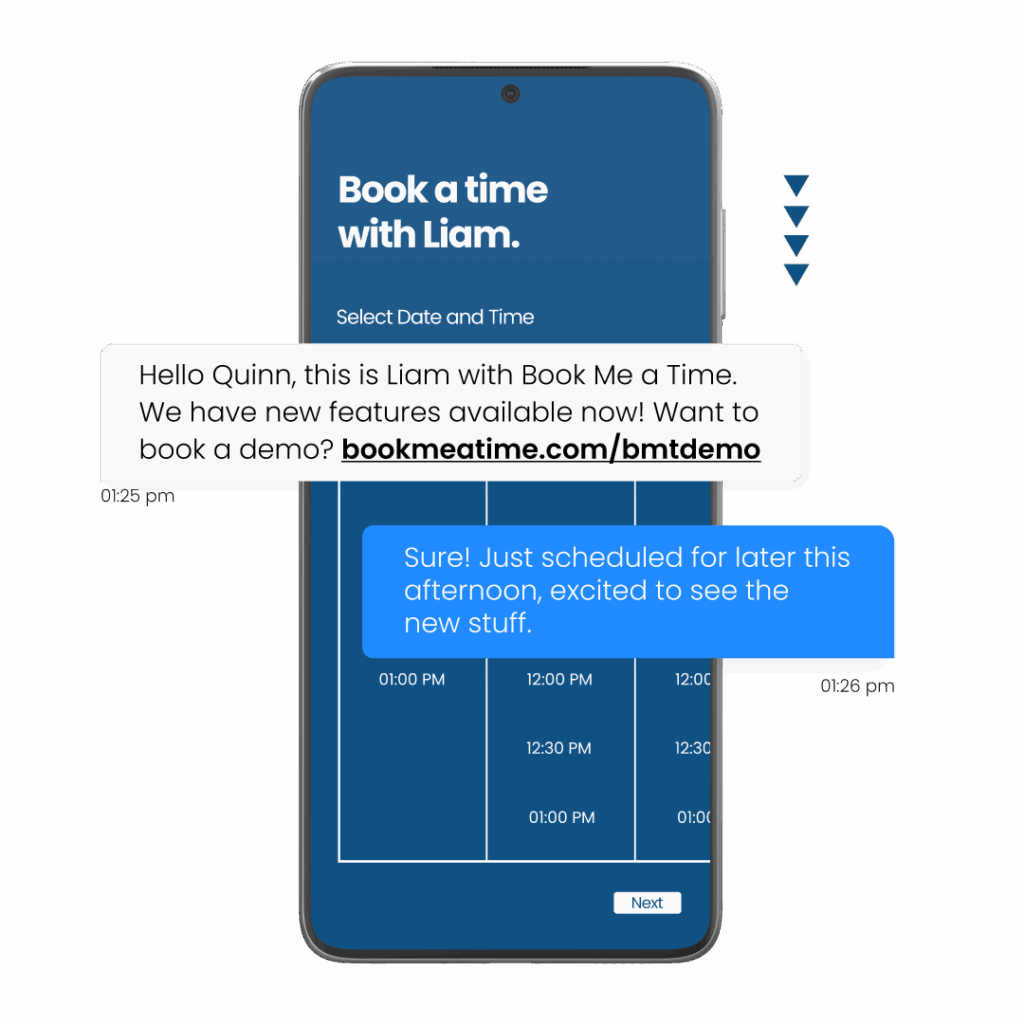
Trying to do too much at once, such as promoting a sale, asking for feedback, and sharing a new product launch in the same message, leads to confusion or low response rates.
Once your main goal is established, you can match it to the right message type and structure an effective SMS marketing campaign around it.
For example, if you’re launching a text coupon or flash sale, a promotional message with a clear CTA is the best fit, especially for time-sensitive promotions.
For follow-ups or longer engagement, a drip campaign spread out over a few days may help you stay top of mind without overwhelming your audience or mismanaging message frequency.
Step #2: Understand Your Audience
Each SMS subscriber on your list is a real person with their own preferences, habits, and reasons for interacting with your business.
Strong results from your text message marketing campaigns start with understanding who you’re reaching and how they prefer to receive messages.
Some are looking for special deals, while others want quick updates, appointment reminders, or support delivered directly to their message box.
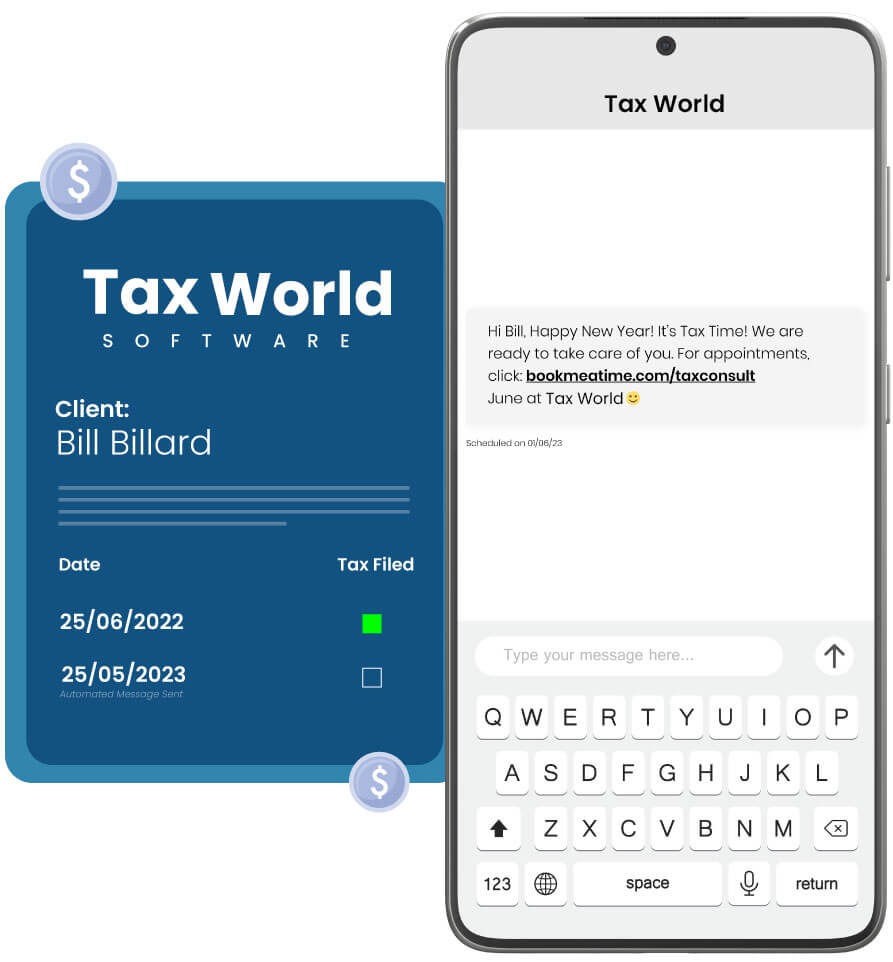
Your audience might also have specific needs during tax season, respond to certain types of language, or interact with your brand at specific times of day on their mobile devices.
When you pay attention to details like age group, interests, buying habits, and communication preferences, it gives you a foundation for crafting messages that people want to receive.
You also need to consider how people discovered your business. Someone who found you through a customer referral may have different expectations than someone who joined your list after making a purchase.
Collecting feedback, studying customer questions, and reviewing past campaign results can reveal how SMS performs, which message length works best, and which messages customers tend to ignore.
Step #3: Segment Your List
SMS segmentation can be as simple or as advanced as you want it to be when organizing message segments. You can group your contacts by recent activity, first-time buyers, long-term customers, or people who have not purchased in a while.
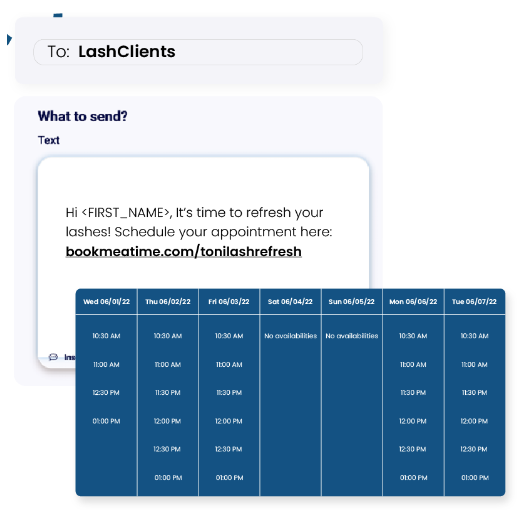
Service-based businesses might separate those who have booked appointments from those who have missed or cancelled. Meanwhile, retailers look at past purchases, visit frequency, or shipping notifications activity.
SMS segmentation tools let you tag contacts, set filters, or create automatic rules tied to actions like sign-ups, clicks, or purchases.
Good segmentation also involves regular list checks. You have to remove people who opt out, keep your groups up to date, and make sure your messages fit the group’s status or behavior.
Step #4: Sign Up for a Text Marketing Platform
If you’re trying to run campaigns from your own device using a single phone number, it can slow you down and even put you at risk of breaking compliance rules.
Textellent stands out as the best business SMS solution for a small business or growing team that wants to text at scale using local, short-code, or toll-free numbers.
It combines powerful automation, flexible messaging, and a user-friendly dashboard to support your full marketing strategy.
Textellent’s Key Features
Here are some of the top mobile marketing features you get with Textellent:
- Send SMS and MMS from your main business number and keep outreach familiar to your contacts
- Manage team conversations with a shared inbox where multiple staff members can view and reply to messages
- Launch bulk SMS campaigns and reach large or small groups using a simple dashboard
- Automate follow-up reminders and review requests by setting up easy workflows
- Schedule one-time or recurring messages and plan outreach ahead of time
- Set appointment and status reminders to help clients stay informed and reduce no-shows
- Integrate with over 800 apps to sync Textellent with your CRM, scheduler forms, or payment tools
- Store templates and images in a media library and build campaigns using approved content
- Use SMS autoresponders and keyword-triggered replies to answer common customer questions automatically
- Track message delivery opt-outs and replies in real time to keep campaign performance visible
- Tag conversations for sorting, assigning, and follow-up within your team
- Run consistent franchise communication to your multiple business locations or branches
- Create alternate versions of your texts or translate content using the platform’s built-in AI assistant
- Access a mobile app for iOS and Android to manage and reply to texts from anywhere
See how the right platform can help you save time, boost results, and build stronger relationships with your audience.
Sign up for a free trial or request a demo consultation with Textellent today!
Step #5: Grow and Manage Your Contact List
The quality of your list matters just as much as its size. When you focus on growing a subscriber list filled with people who want to hear from your business, you lower the chance of opt-outs.
Start by collecting numbers with permission. Only add contacts who have opted in to receive texts from you, whether through online forms, at checkout, during events, or by texting a specific keyword.
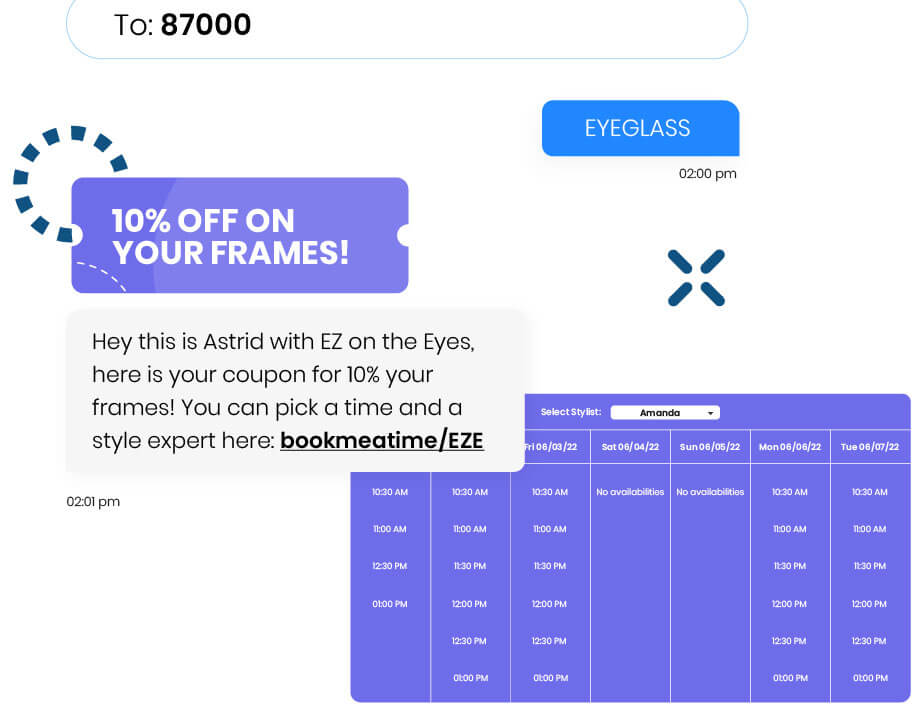
You can also display a sign-up invitation on your website or in-store to make it easy for customers to join. Always explain what type of messages they can expect, how often you’ll send texts, and how they can unsubscribe.
You may also use every available channel to invite people to sign up. This could include SMS opt-in forms on your website, point-of-sale (POS) prompts, and event signups, especially if customers prefer SMS over email.
Respect for customer preferences and privacy should guide your contact management approach. You can send a confirmation message when someone joins, and make opting out as simple as replying with a keyword.
Step #6: Write and Design Personalized Messages
The best SMS campaigns stand out because their messages are easy to read and actionable at first glance.
Instead of crowding your message with extra words or complicated instructions, focus on simple language that helps the recipient feel like the message was written just for them.
Personal touches, like using a customer’s name or mentioning a recent interaction, support long-term customer engagement and brand loyalty.
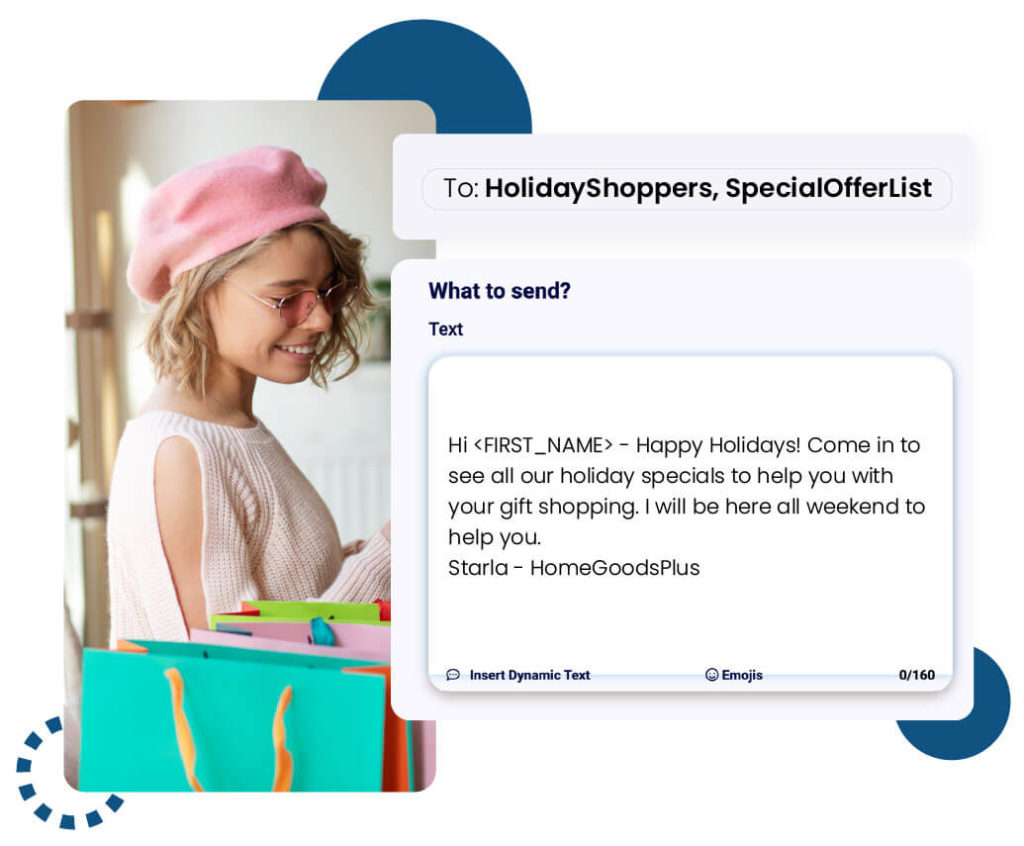
Textellent supports this kind of personalization with merge fields that automatically fill in each recipient’s details, so your messages stay accurate and meaningful.
Thoughtful formatting can help important information stand out. You might use a line break to separate an offer from an instruction, or keep sentences short and to the point without sounding abrupt.
Always double-check your spelling and make sure every link works before sending your campaign, as these small details help build trust with your contacts.
Textellent’s AI Rewriter and Translator lets you refine your message or create different language versions right where you write. AI for text messages helps your SMS content stay on-brand, easy to understand, and accessible to all your contacts.
Step #7: Set Up Campaign Automation and Scheduling
SMS automation and scheduling turn a simple campaign into a reliable part of your business workflow. It also sets the stage for future SMS campaigns that run smoothly.
Rather than manually sending every message, you can use an SMS platform to plan, trigger, and deliver SMS messages at the right time without constant supervision.
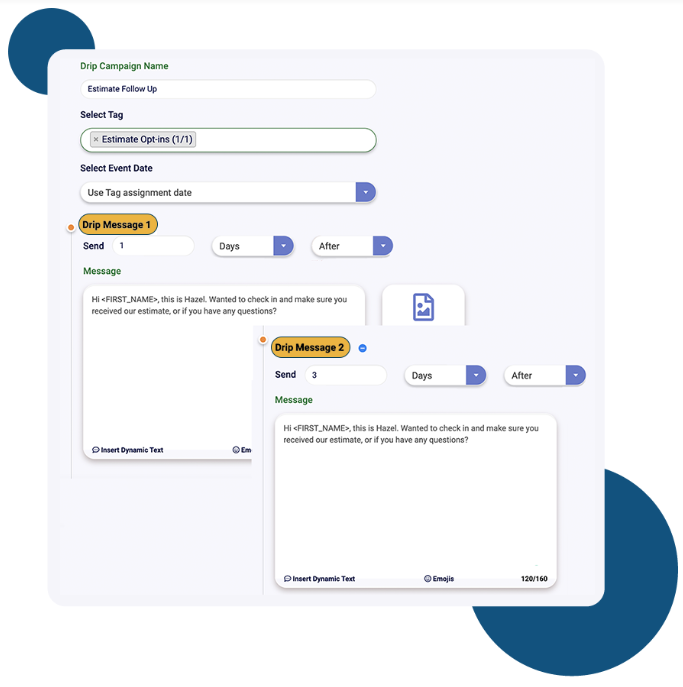
Marketing automation lets you set up message sequences that are sent based on customer actions, dates, or other triggers.
You can create a series of welcome messages for new SMS subscribers, follow-up reminders after appointments, or birthday text messages that go out automatically each year.
Drip campaigns help guide leads or customers through a process, spacing messages over days or weeks to keep your business top of mind without overwhelming your audience.
With SMS scheduling, you have the control to send messages at the best times that match your audience’s habits and needs.
You can schedule one-time announcements for a product launch, plan recurring reminders for monthly newsletter signups, or set up messages to be sent during peak engagement hours.
Step #8: Follow Compliance Rules
SMS marketing laws, including the Telephone Consumer Protection Act (TCPA) and the Cellular Telecommunications and Internet Association (CTIA) guidelines, are designed to protect consumers from unwanted or misleading messages.
You can only send messages to contacts who have permitted to receive texts from your business, whether through a web form, text keyword, or scanning QR codes linked to your signup page.
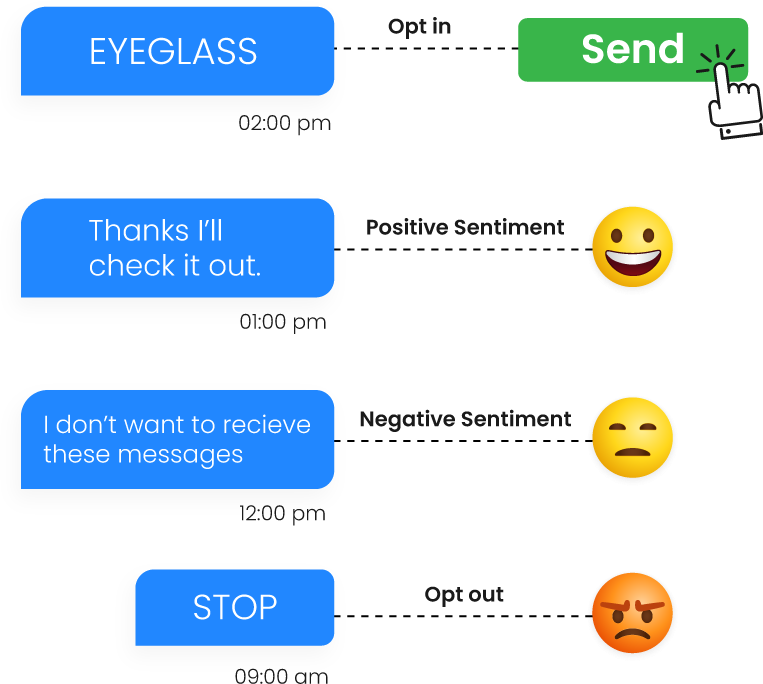
You need to include opt-out instructions in every promotional message. A text that says “Reply STOP to unsubscribe” is standard and makes it easy for anyone to leave your list.
Your SMS platform can automatically process these requests and update your contact records for you. Accurate records of opt-ins and opt-outs are part of maintaining SMS compliance.
Avoid sending messages too frequently or outside reasonable hours. Most regulations restrict marketing texts to daytime hours and recommend not contacting people too early or too late.
Step #9: Launch Your Campaign
With your messages prepared, automation in place, and compliance covered, you are ready to launch your SMS campaign.
Take a final moment to review your message content for typos, confirm that links work, and make sure your list is accurate and only includes contacts who have opted in.
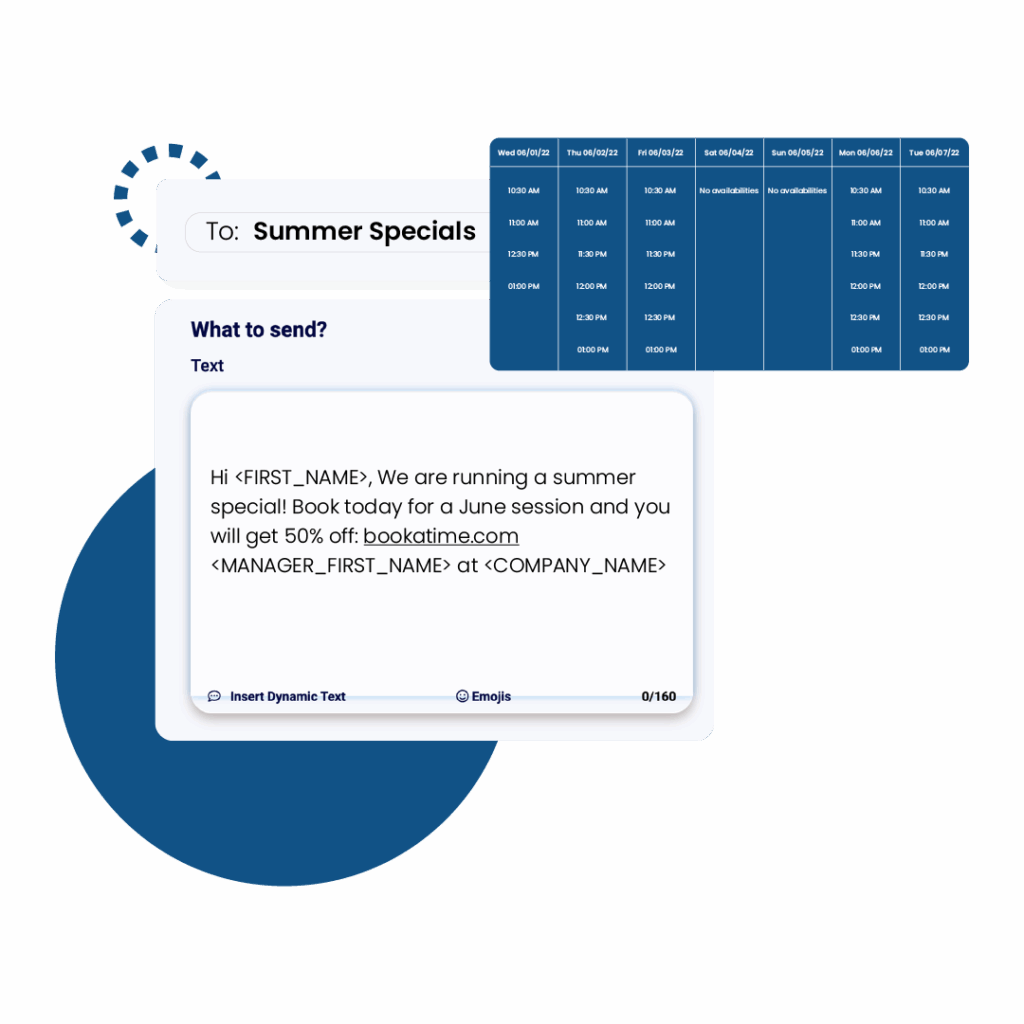
For time-sensitive offers or important updates, you could select SMS delivery times that are proven to get the highest engagement. If you’re sending on a large scale, consider using a bulk SMS provider for fast and reliable delivery.
Once everything is set, always remember to click save on your campaign settings before sending or scheduling.
Step #10: Monitor Campaign Performance
After your campaign goes out, it’s important to monitor how your audience responds. Insights help you increase sales and better understand how to reach customers with every message.
You can use your text marketing platform’s reporting tools to track engagement metrics such as delivery rates, open rates, replies, clicks on links, and opt-outs.
A high delivery rate means your contact list is in good shape. If you notice many opt-outs or few replies, review your message content, timing, or targeting. Low click-through rates can signal that your call to action is unclear or the offer is not compelling.
Turn SMS Into Your Best Customer Touchpoint—Start Texting With Textellent!
Textellent’s features help you move beyond the basics of business texting. You can reach out to new subscribers, send appointment reminders, or build customer loyalty through personalized messages.
The built-in AI writing assistant polishes your messages and even translates them, making sure every communication matches your branding.
The platform’s real-time reporting, compliance safeguards, and integration with your existing apps also let you focus on results instead of worrying about the details.
It’s never been easier to run a professional SMS campaign that gets noticed and brings in real results. See for yourself how Textellent supports every stage of your campaign, from planning to launch to ongoing engagement.
Make your next SMS campaign a true business advantage with the right platform behind you. Sign up for a free trial or request a demo consultation with Textellent today!
FAQs About SMS Campaign
What is an SMS campaign?
An SMS campaign is a series of SMS messages sent by a business or organization to a group of contacts with a specific goal, such as sharing promotions, reminders, or collecting feedback.
Each campaign is carefully planned to deliver relevant information that encourages you to engage customers and take action. It can boost sales and help drive traffic to your business.
How to create an SMS campaign?
Start by defining your goal and understanding your audience, especially if you want your future SMS campaigns to deliver strong results.
You need to segment your contact list, write a concise message, and use a business SMS platform to schedule and send SMS campaigns with the right character count and special characters that match your brand voice.
Remember always to collect proper opt-in consent and include opt-out instructions in every message to avoid sending too many messages to those who don’t prefer to receive them.
Does SMS marketing still work?
Yes, SMS marketing remains one of the most cost-effective ways to communicate directly with customers. Businesses across industries rely on SMS because messages are delivered instantly and can drive strong engagement when they are well-timed.
What is the difference between a text message and an SMS?
A text message is a general term for any written message sent to a mobile phone. SMS specifically refers to standard text-only messages up to 160 characters in length.
SMS does not support multimedia content, such as images, videos, or files, which are sent through multimedia messaging service (MMS). For best results, you need to review your message and make sure it fits within the SMS character limit before sending.

Get Started with Business Texting
Simple to launch, built to scale. Try Textellent FREE for 14 Days
Start Free Trial