

How B2B Text Messaging Keeps Projects and Clients Aligned
You’ve probably felt the strain of juggling several accounts at once. Emails are stacking up, calls are coming in at the wrong time, and messages are bouncing between departments.
Texting is a simple, reliable option that fits naturally into the rhythm of your workday. It keeps momentum going, but only when the right setup supports the process.
The key is doing it in a structured way: organized contacts, proper consent, smart timing, and an SMS marketing platform that ties everything together.
In this article, you’ll see how business-to-business (B2B) text messaging strengthens everyday communication, where it fits in your workflow, and how it supports smoother coordination across clients, partners, and internal teams.
Why SMS Has Become a Standard B2B Communication Channel
Texting has become a steady part of business-to-business communication because it gives teams a direct way to pass short updates without slowing things down.
Many companies also see it as a cost-effective marketing channel compared to other tools that require more time and resources.
A major reason for this shift is how business clients now prefer brief, straight-to-the-point contact. Many want to avoid long phone calls for small matters.
Since most people already check their phones, texting blends into daily habits and keeps both sides on the same page.
Texting for business also supports strong response rates. A simple tap is all it takes to answer, so replies usually come much faster than email marketing. This helps teams keep projects moving without waiting half a day for a small confirmation.
B2B SMS marketing does not replace longer talks or full plans, but it covers the small moments that keep work moving at a steady pace.
On top of that, texting carries a natural tone while still staying formal enough for work. It helps contacts speak clearly without sounding cold.
Use Cases for B2B Text Messaging
Companies rely on business texting for many day-to-day tasks because it fits the way teams work now. Below are the most common ways teams use SMS in real work settings.
Sales Follow-Ups and Lead Support
Instead of leaning on long inbox threads or endless cold calls, sales text messages give prospects room to reply at their own pace.
Texting also helps you stay connected to new leads with small updates, simple questions, or time checks. Since most people reply to texts faster than email reminders, your team keeps the conversation warm instead of losing momentum.
Client Updates and Service Notices
As you support your clients, SMS messaging offers a faster path than email campaigns and prevents updates from landing in spam folders.
A short text gives them the info they need right away. This is handy when a detail changes or when they need a small confirmation tied to their service.
When something needs swift attention, you can send time-sensitive alerts so the client knows right away. It keeps your service smooth and prevents small issues from growing.
Product Announcements and Account Updates
When you release new versions, expand services, adjust availability, or offer upgrades, text message advertising keeps your clients updated.
You can also share updates across regions using tools with global SMS coverage. It makes your outreach more consistent for companies with distributed teams or international partners.
Reminders and Confirmations
If you constantly run meetings, service stops, supply drops, or inspections, text reminders help prevent missed appointments by giving the client a simple heads-up.
You can also use SMS scheduling to send these reminders ahead of time, such as early in the workday or a few hours before an appointment.
Alerts and Safety Notices
You can use texting to share quick updates or system alerts. These messages work well during outages, schedule changes, access issues, or any moment where your team or your clients should act right away.
Some companies also send alerts tied to entry systems or equipment. When something triggers a warning, an automatic text can tell the right person so they can jump on the problem.
Client Care and Follow-Up Messages
Long-term business relationships grow stronger when communication stays consistent. Texting helps you check in after a delivery, service call, or project milestone.
A simple thank-you message or satisfaction surveys through a short link. It shows clients you care without taking too much of their time and helps you nurture relationships through human contact.
Best Practices for Successful B2B Text Messaging
You need a simple structure to get steady results with texting. Below are practices you can follow to keep communication smooth without crossing lines or overwhelming your contacts.
Keep Messages Action-Focused
When you send a text to a client, partner, or team member, the goal is to make it clear what they should do next. It keeps your communication direct with less back-and-forth.
Start by stating the purpose up front. If you need someone to confirm a time, approve a step, sign a form, or reply with a quick detail, you have to say it in the first line.
You can also break appointment reminders into simple choices. For example:
“Reply YES to confirm.”
or
“Send your update by 3 PM.”
Short directions like these help your contacts act right away, especially during busy days. If the situation requires added context, you can attach multimedia messages to show instructions or files in a quick, readable format.
Another tip is to keep the message shaped around one action at a time. If you overload a text with too many requests, the person may skip it or forget part of it.
Use Personalization Without Crossing Boundaries
You can tailor your SMS marketing campaigns using the person’s name or referring to the task they reached out about, but keep it light and stay professional.
A short line tied to their request or project stage often feels more natural, especially when the message comes from a familiar line tied to your company name.
Start by keeping your marketing messages focused on the purpose. If you’re reaching out about a request, a deadline, or an update, you need to mention it clearly in the message.
One strong way to personalize without going too far is through SMS segmentation. Instead of sending the same message to everyone, you group your contacts based on their role, past activity, or job stage.
Long greetings, comments unrelated to work, or anything that feels too personal can make the exchange uncomfortable. You need to keep the message steady and simple so it feels respectful and easy to read.
Choose the Right Timing
When you pick the right moment, it makes your texts easier to read and easier to act on. This is why you have to know the best time to send marketing messages according to your audience’s preferences.
A simple rule is to stick close to normal business hours. Most people check their phones during the day, so your message lands when they’re already in work mode.
Early mornings, late evenings, and weekends can feel off-putting unless the update is urgent, such as security alerts.
If you work with contacts in other time zones, you may adjust your timing so your message doesn’t show up at the wrong part of their day. A well-timed text feels respectful and gives people space to respond without feeling rushed.
For recurring updates, message scheduling helps you stay consistent. You can pick the time once and let the system handle the rest.
Use Opt-In/Opt-Out Correctly
People should always know what they agree to before they receive text messages from your company. A simple form with an opt-in checkbox gives them a choice and helps you gather explicit consent.
Strong permission habits also help you avoid trouble with SMS compliance. Clean records show that every contact agreed to your messages willingly, which lowers the chance of concerns associated with unwanted messages.
Good permission practices also improve your contact lists. People who remain subscribed are engaged by choice, which leads to stronger engagement and better results. It makes your texting easier to manage and more useful for your audience.
Avoid Over-Messaging
Healthy texting habits keep your audience open to hearing from you. When you send too many messages, people lose interest, feel overwhelmed, or even block your number.
Many clients rely on texting as one of their preferred channels, but they still expect balance. If you focus on sending targeted messages, your outreach feels useful and protects you from being flagged by spam filters.
You can use automated texting software to gain more control of this area. These tools help you space out SMS campaigns, plan updates, and avoid sending messages during times that may feel intrusive.
Track Your SMS Performance
Numbers help you understand how your messages reach, how people react, and where you can fine-tune your approach. Four simple key performance indicators (KPIs) give you a solid view for improved campaign management:
- Delivery rates show how many texts reached the person’s phone. Low delivery numbers can point to issues like outdated phone numbers, blocked lines, or network limits. A high delivery rate tells you that your list is healthy and your setup is working the way it should.
- Click-through rate (CTR) tells you how many people tapped a link in your text. If your CTR is low, something may be off with your offer, timing, or wording. Strong CTRs suggest that your relevant content is landing well and that your audience finds value in what you share.
- Reply rates show how engaged your contacts feel. High reply rates mean your message is easy to act on. Low replies might signal that the message wasn’t clear or didn’t feel personal enough to spark action.
- Conversion rate measures completed actions, such as booking a call, confirming a step, opening an account, or starting a project. It also shows how well your texting supports new business and how your contacts move through your process.
B2B Text Messaging Templates
Below are simple, ready-to-use templates built for the way you speak to clients, partners, and internal teams. Each one stays respectful and focused on business use. You can adjust the tone or details to match your process.
Client Appointment or Meeting Confirmations
B2B meetings may involve several people, multiple steps, and tight planning. A quick confirmation helps both sides avoid delays and prevents last-minute surprises.
- “Hi [Name], confirming our meeting on [Date/Time]. Reply YES if this works or NO if you want a different time.”
- “Hi [Name], confirming your call on [Date/Time]. Let me know if you want to adjust anything.”
- “Hi [Name], checking on our meeting for [Date/Time]. Does this still work for you?”
Project or Service Updates
Companies that buy from you want to stay updated. Short updates keep timelines clear and allow your client to adjust staffing, planning, or next steps on their side.
- “Hi [Name], here’s a quick update on your project: [1–2 lines]. Reach out if you need more info.”
- “Hi [Name], your request has moved to the next step. I’ll text again when the next part is ready.”
- “Hi [Name], a short update on your ticket: [brief detail]. Let me know if you have questions.”
Lead Follow-Up Messages
B2B buyers often compare vendors, gather details, and review options with their team. These messages help you keep the lead warm and give the contact a choice.
- “Hi [Name], thanks for reaching out. I can send a short overview, or we can set a call. What’s best for you?”
- “Hi [Name], I saw your request come in. Want a quick summary here or a brief call?”
- “Hi [Name], happy to help with your inquiry. Would you prefer a text summary or a short call?”
Sales Check-Ins for Existing Accounts
B2B accounts last months or years. Light check-ins help you keep relationships warm without being pushy.
- “Hi [Name], checking in to see if you need anything from our team this week.”
- “Hi [Name], hope your week is going well. Need any updates or support from us?”
- “Hi [Name], here if you need anything today. Just reply, and I’ll jump in.”
Onboarding Steps for New Clients
New clients juggle several tasks at once. Simple onboarding texts keep them focused on the next step and reduce confusion during the early stages of the relationship.
- “Hi [Name], welcome. Your first step is here: [link]. Text me if you need help.”
- “Hi [Name], glad to have you with us. Start with this guide: [link]. I’m here if you need anything.”
- “Hi [Name], thanks for joining us. Here’s step one: [task]. Text me if you have questions.”
Partner Coordination Updates
Partnerships work best when both sides know what’s happening. These messages help you share updates quickly so the project stays in sync.
- “Hi [Name], short update for today: [detail]. Need more info?”
- “Hi [Name], here’s the status for our shared task: [detail]. Want more detail?”
- “Hi [Name], today’s quick update: [detail]. Text back if you want the full breakdown.”
Renewal or Contract Check-Ins
Renewals require planning, budgeting, or approvals. Early reminders allow the client to prepare and give you more space to support the process.
- “Hi [Name], your renewal is coming up on [date]. Want to review options?”
- “Hi [Name], your contract date is near. Should we go over the next steps?”
- “Hi [Name], checking in before your renewal. Want a quick summary of your choices?”
Event or Webinar Reminders
People manage busy schedules. A short reminder gets them to show up on time and reduces no-shows.
- “Hi [Name], your session starts at [time]. Want the link again?”
- “Hi [Name], reminder for today’s event at [time]. Need the access link?”
- “Hi [Name], your webinar is starting soon. Want me to resend the link?”
Support Follow-Ups
After-support contact shows attention and helps clients feel cared for. It reassures them that you’re available without overwhelming their inbox.
- “Hi [Name], checking to see if your issue is sorted. Need more help?”
- “Hi [Name], just making sure everything is working now. Want me to take another look?”
- “Hi [Name], did the fix work for you? I can assist again if you need it.”
Why Choose Textellent for B2B SMS Marketing
As more companies turn to texting to keep clients, partners, and teams aligned, the choice of platform becomes just as important as the messages themselves.
B2B communication calls for tools that fit real workflow needs, support longer sales cycles, and help both sides stay organized as you trade products or services.
Textellent supports fast replies and simple coordination across departments, which makes it easier for your business to stay connected from the first inquiry through long-term account work.
Text From Your Business Number
Textellent lets you send and receive texts from the same number your clients and partners already use to call your office. This avoids confusion and keeps every conversation tied to one familiar point of contact.
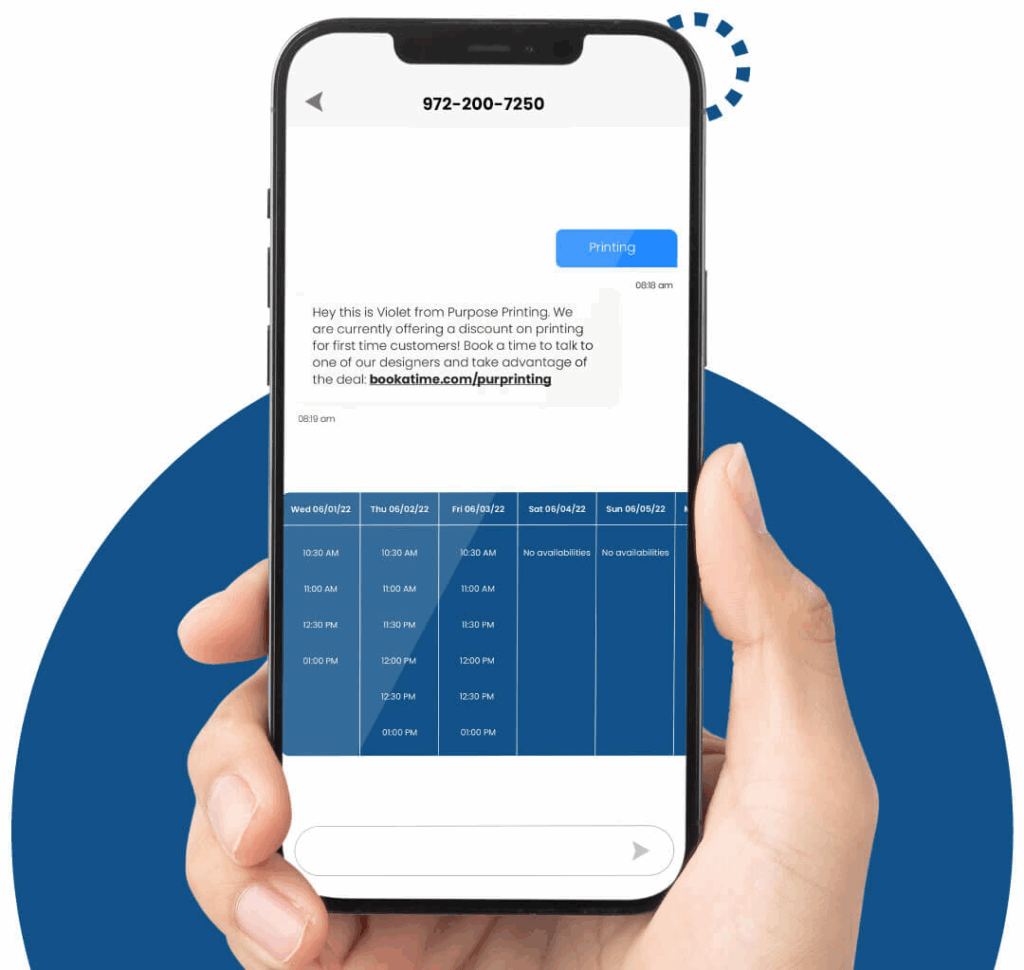
Using your established business line also removes the hassle of introducing new numbers to clients. You don’t have to ask them to save anything new, update vendor records, or wait for approvals from their internal teams.
Automated Campaigns and Triggered Workflows
B2B communication moves through many steps, such as quotes, approvals, orders, renewals, and ongoing support. Textellent helps you handle these stages with automated SMS campaigns and triggered workflows.
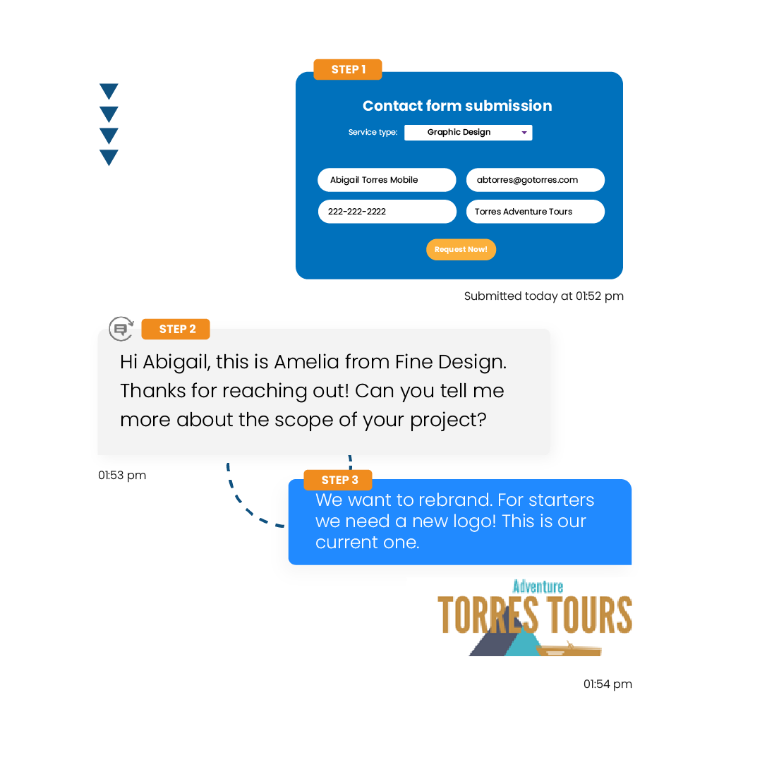
When a new inquiry comes in, a form is submitted, or a service request is made, the system can text the person at the right moment. It helps you stay present even when your team is away from their desk.
These automated flows work well in B2B commerce because companies often involve several decision-makers. A simple follow-up sent keeps your prospect engaged, reminds a client about a pending step, or confirms that a partner received key details.
Shared Team Inbox and Two-Way Messaging
When multiple departments handle the same account, this shared space helps everyone stay aligned without relying on long threads or scattered tools.
Two-way marketing plays a major role in B2B commerce. Your business contacts often have quick questions about orders, scheduling, access, or project steps.
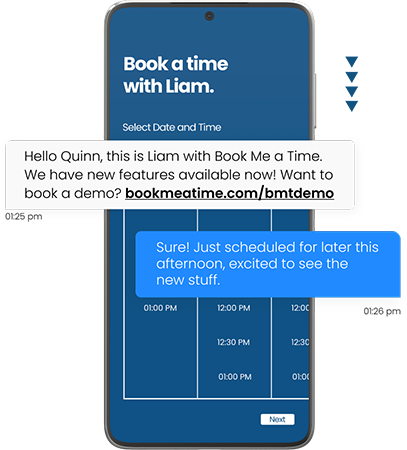
With two-way SMS, they can reply at any moment without calling your office, which reduces missed calls and keeps the communication flow simple.
The system shows full message history, so any team member can step in and understand the context. It also prevents mix-ups and supports smoother coordination across roles.
Rich Integrations and CRM Syncing
Textellent integrates into your customer relationship management (CRM) system, scheduling tools, and other existing systems. When a deal moves stages or a partner submits a request, texting flows right along with your pipeline.
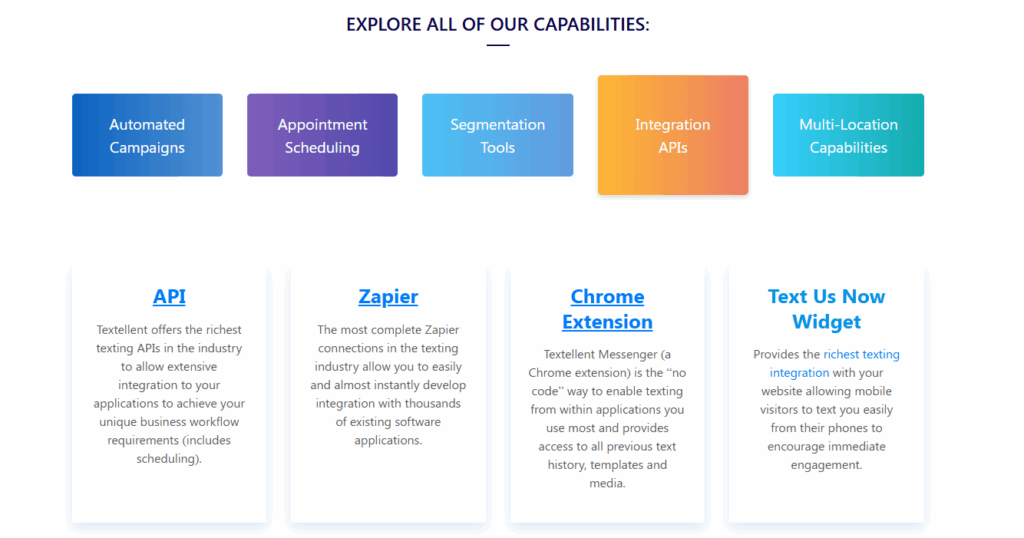
Integrations also help with ongoing account work. Your CRM can trigger SMS reminders for key steps like supply checks, renewals, or support follow-ups.
Instead of relying on manual entries, the system sends the message when the task moves to a new stage, which helps you save time and reduces missed steps.
You can also group contacts by industry, role, region, or project status. That way, each group gets messages that fit their needs, and you avoid sending broad blasts.
Support Multi-Location Teams
Textellent is built for multi-location businesses that operate across several branches, partner sites, or service regions. It helps you keep structure across all sites without limiting how each branch manages day-to-day tasks.

This structure also supports strong multi-location marketing. You can roll out approved templates, track message activity by location, and manage opt-ins and opt-outs with ease.
Built-in safeguards help you stay in line with texting rules, which protect your business and your contacts.
Built-In Compliance and Delivery Tracking
Textellent helps protect your communication standards by offering tools that manage SMS opt-in consent, message quality, and delivery accuracy across every account.
When you text clients or partners for orders, updates, or service steps, you need a record of who opted in and which messages reached the intended contact.
SMS compliance is important in B2B because many contacts rely on controlled inbox rules and internal policies.
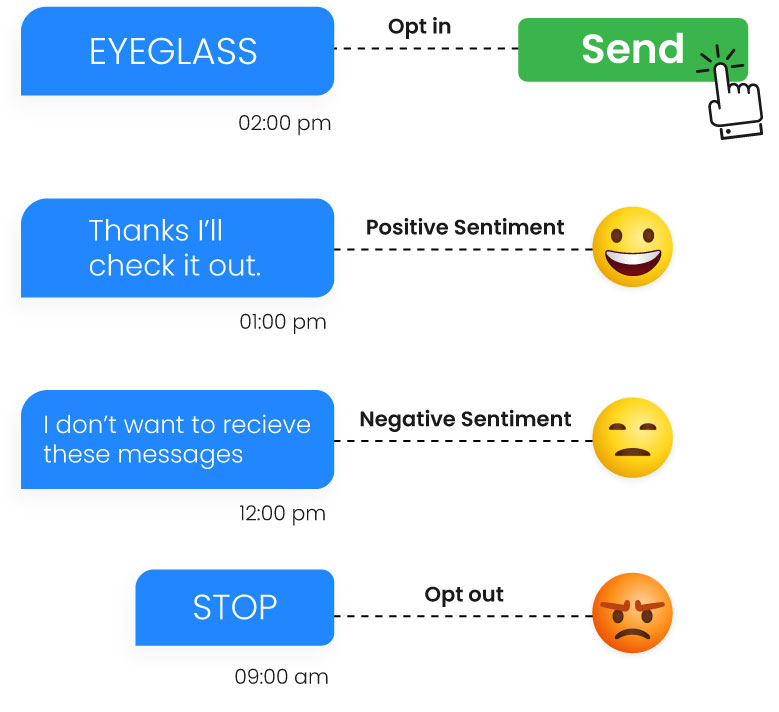
Textellent helps your business stay aligned with these expectations through features like opt-in tracking, keyword-based unsubscribes, and sentiment-driven opt-out detection.
Delivery tracking provides visibility into message performance. You can see when texts were delivered, blocked, or failed, which helps your team understand how well your outreach is working.
It also enables you to keep your contact list accurate by spotting inactive or invalid numbers early.
Build a Stronger Communication System—Start Texting With Textellent!
If you want to stay connected with clients from the first inquiry through ongoing account work, Textellent is built to support the demands of real business relationships.
This SMS platform helps you build a stronger personal connection with every account by keeping short updates and quick replies in one dashboard.
With Textellent, your team can manage follow-ups, reminders, updates, and coordination in one unified space.
You can text from your business number or use toll-free numbers, automate key touchpoints, support multi-location teams, and keep departments synced as work moves from stage to stage.
Your clients and partners expect dependable contact. Textellent positions your business to deliver that. It’s easier to send relevant content tied to your business needs, guiding each client, which can lead to more deals.
Sign up for a free trial or request a demo consultation and see how well your process adapts when texting becomes a natural part of your workflow!
FAQs About B2B Text Messaging
Is B2B texting legal?
Yes, B2B texting is legal as long as the person or company you’re texting has given clear permission.
You must follow the same basic rules used for other text-based outreach: get consent, give an easy way to stop messages, and keep your communication honest. When permission is established and stored, you can text clients, partners, and internal teams without trouble.
What is B2B text?
B2B text is a short mobile message sent from one business to another. You can use it for updates, follow-ups, reminders, service steps, delivery notifications, or quick answers.
It’s simple, fast, and supports both large operations and small business teams that rely on quick communication. This format often works well for potential customers who prefer short, direct messages.
What does B2B mean in a message?
It means the message is part of the communication between two businesses. The content is intended for a company, not an individual consumer. These messages usually connect to work steps, decisions, or coordination across teams.

Get Started with Business Texting
Simple to launch, built to scale. Try Textellent FREE for 14 Days
Start Free Trial