

6 Review Management Tips to Stay on Top of Customer Feedback
Reviews are now a key part of how businesses build trust and attract more customers.
But managing reviews can become challenging without a structured approach. Feedback comes from different platforms, and keeping up with responses requires time and consistency.
As you integrate review management into your marketing strategy, each response contributes to how your brand is perceived.
In this article, we will explore how to build an effective online review management approach. You will also learn how sending SMS review requests can help accelerate review collection and improve customer engagement.
TL;DR
- Review management drives conversions by shaping trust, influencing decisions, and improving how customers view your business.
- Customer feedback comes from key channels like online review platforms, social media, direct feedback, product reviews, and industry-specific sites.
- A solid strategy requires monitoring all platforms, requesting reviews at the right time, using multiple channels, simplifying the review process, responding to feedback, and analyzing patterns.
- Textellent supports review management with SMS automation, two-way messaging, and campaign tools that organize review requests and responses.
How Review Management Impacts Conversions
Many buyers rely on reviews before making a decision, and that behavior continues to grow.
According to Brightlocal, 41% of consumers in 2026 always read reviews when browsing for businesses, up from 29% the year before. That increase shows that reviews are part of the decision process and shape your current online reputation.
Star ratings influence first impressions. Higher ratings attract more clicks in search results and listings. Once a customer views your page, strong feedback increases the chance they move forward.
But you may get worried about getting bad reviews. Still, that feedback can support conversions when handled with care. A mix of opinions makes your business appear more real.
What stands out is your response. A respectful and solution-focused reply shows accountability and can rebuild trust with both the reviewer and future customers.
Finally, response time affects how customers view your business. Buyers look at how businesses handle feedback before making a choice, not just the rating itself.
Key Review Channels for Your Business
Customers share reviews in different ways, and each type of review adds value to your overall reputation management strategy. Here are the main review channels you need to manage:
Direct Customer Feedback
Direct feedback comes from channels like email, SMS, website forms, and surveys. While these reviews are typically private, they offer strong insight into customer needs.
Mobile SMS marketing stands out for quick responses, especially for small businesses focused on customer relationships.
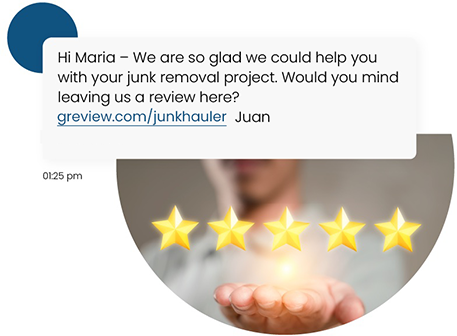
SMS also creates an opportunity to turn private feedback into public reviews. You can follow up with a simple message and a direct review link, which makes it easy for customers to share their experience.
Ready to simplify your review management and collect more feedback? Sign up for a free trial or request a demo consultation with Textellent today!
Online Review Platforms
Online review sites are the most visible source of feedback for local businesses.
Google, Yelp, Facebook, and Trustpilot appear in search results. These platforms influence first impressions, and even search engines like Google Maps display new reviews directly in listings.
Customers rely on these platforms before choosing a business. This makes them a top priority to monitor and manage as part of your online reputation.
Social Media Feedback
Social media acts as an open space for consumer opinions. Comments, tags, and messages on platforms like Facebook, Instagram, and LinkedIn reflect real experiences.
These may not appear as formal reviews. But they’re still a crucial part in shaping public perception and influencing consumer trust.
Product and Service Reviews
Product and service reviews focus on specific experiences. These are common in ecommerce and service-based businesses.
Potential customers share details about quality, performance, and results. This helps them make informed decisions and supports social proof.
Industry-Specific Review Platforms
Some industries rely on niche review sites. SaaS businesses use platforms like G2 and Capterra, while other sectors have their own trusted sources.
These reviews can impact brand visibility and attract new customers beyond general platforms.
6 Review Management Techniques to Simplify Review Collection
Apart from collecting feedback, a strong online review management strategy involves tracking, requesting, responding, and learning from reviews from all customer touchpoints.
Here are effective review management strategies you can follow:
1. Monitor Reviews on All Key Platforms
If you only check one platform, you miss valuable feedback and risk leaving customer concerns unanswered.
You need full visibility into what customers are saying about your business. Reviews can appear on multiple platforms like Google Reviews, Yelp, Facebook, industry sites, and even social media comments.
Google Business Profile should be a top priority, especially if you want to get more reviews on Google or improve your visibility in search engines and local search results.
You can set up notifications or use review management software to stay updated and monitor online reviews in real time.
Real-time alerts allow you to respond faster, which shows customers that you pay attention. Quick responses can also prevent small customer issues from growing into larger problems.
2. Ask Customers for Reviews at the Right Time
Customers are more likely to leave positive feedback when the experience is still fresh in their minds. If you wait too long, interest drops and response rates go down.
The best time to ask for a review is right after a positive interaction. This can be after a purchase, a completed service, or a successful support experience.
SMS automation tools make it easier to send review requests at the ideal moment. You can set up automatic messages that go out after a transaction or service is completed.
Automated messages keep your request aligned with the customer’s recent experience and avoid missed opportunities. Since SMS messages have high open rates, customers are more likely to see and respond quickly.
3. Use Multiple Channels to Request Reviews
Using more than one channel to request reviews provides several benefits for your business. Email works for detailed follow-ups, while SMS marketing drives faster responses due to high open rates.
Text messages with a direct review link make it easy for customers to respond within seconds.
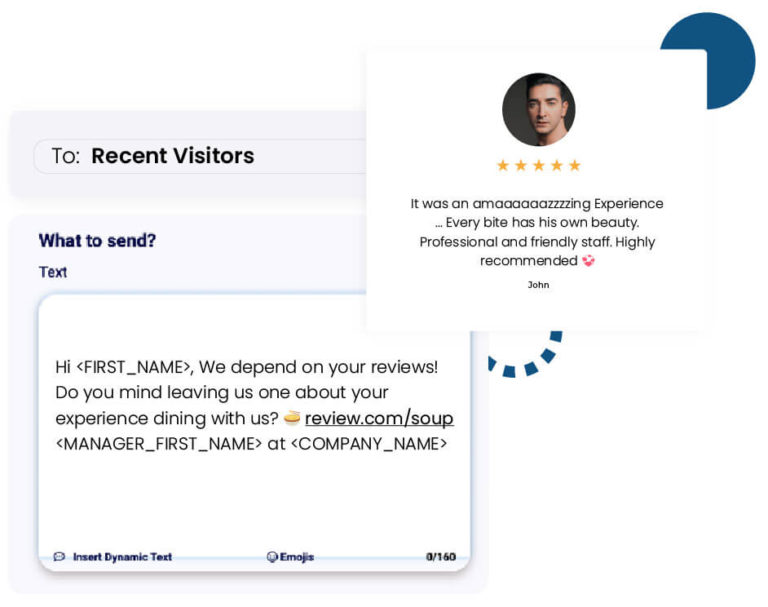
You can also collect reviews through your website, in-app prompts, or in-person interactions. The goal is to connect with customers where they already engage, instead of relying on one method.
Textellent can automate review requests based on customer actions, send personalized messages, and guide customers straight to your Google review page. This approach helps you collect feedback faster while keeping your communication consistent and easy to manage.
Want to collect more reviews with less effort? Sign up for a free trial or request a demo consultation with Textellent today!
4. Make It Easy for Customers to Leave Reviews
A simple process leads to more completed reviews. Too many steps can cause customers to drop off before finishing.
SMS links are useful for quick action. A customer can open a message, tap the link, and submit a review within seconds.
Example: “Hi [Name], thanks for choosing us! Can you share your experience with [business name]? Leave a quick review here: [link].”
Links help remove effort from the process. You can place them in email messages, SMS, your website, or receipts.
5. Respond to Every Review
Customers notice how businesses engage with feedback, not just the feedback itself. Positive reviews give you a chance to reinforce what your business does well.
You can show customer appreciation and mention something specific from their comment. This builds stronger customer relationships and encourages repeat business.
Negative reviews require a thoughtful approach. You have to acknowledge the issue, stay respectful, and offer a way to resolve the concern.
Remember to avoid defensive language. A well-written response can turn negative feedback into a positive impression for both the reviewer and future customers.
6. Analyze Feedback and Look for Patterns
Looking at reviews one by one is useful, but the real value comes from spotting patterns over time.
Start by grouping similar feedback. If multiple customers mention slow service, product quality, or support issues, that signals an area that needs attention.
Positive patterns also matter for brand perception. Repeated praise for a specific feature or service shows what your business should continue to focus on.
You should also pay attention to keywords and common phrases in reviews. These can reveal how customers describe your business in their own words.
You can use this language in your messaging to better connect with future customers and support your decision-making process.
Regular review analysis helps you make better decisions. It allows you to use review data to improve your service, adjust your processes, and strengthen your business’s reputation.
How Textellent Supports Better Review Management
Textellent brings structure to review management by combining SMS automation, follow-ups, and team collaboration in one place.
This review management service focuses on improving how you request, track, and respond to reviews.
Get More Reviews With Timed SMS Follow-Ups
Textellent allows you to send review requests based on real customer actions such as completed services, purchases, or appointments.
These requests are sent while the experience is still fresh, which increases the chance of a response and supports customer expectations.
Automated reminders follow up with customers who have not responded. It keeps your review flow active and supports your goal to get more reviews on Google and other digital platforms.
Increase Response Rates With Two-Way Conversations
Two-way SMS creates a direct line between you and your customers. You can answer questions, resolve small issues, and guide satisfied customers toward leaving a review.
Instead of sending one-way requests, you create a conversation that builds trust and encourages action.
Customers who feel heard are more likely to follow through with feedback, which supports long-term customer loyalty.
Stay Organized With a Shared Inbox
Textellent uses a shared inbox to manage all messages in one place. Conversations are routed to the right person, which keeps responses consistent across multiple locations or teams.
This setup prevents missed messages and allows your team to stay on top of customer feedback without switching between various review platforms.
You also gain better visibility into customer interactions, which helps you track response times and identify common issues.
Turn Customer Feedback Into Marketing Value
Customer reviews are a valuable source of insight and marketing value.
Textellent helps you collect and organize responses so you can identify trends, improve your service, and highlight positive experiences.
Strong feedback can be reused as testimonials, while recurring concerns can guide internal improvements. It turns your review management process into a tool for both growth and better customer experience.
Turn Customer Moments Into Marketing Value With Textellent
Strong reviews do not happen by chance. They come from consistent requests and using an online reputation management software to keep every interaction organized.
Managing online reviews is an essential part of building trust and staying visible to your target audience.
Textellent boosts your review management by turning everyday customer interactions into opportunities for feedback.
Automated SMS requests reach customers at the moment they are most likely to respond, while a shared inbox keeps every conversation organized and easy to manage.
This leads to more completed reviews, faster responses, and a stronger presence on platforms that influence buying decisions.

Ready to take control of your review management process? Sign up for a free trial or request a demo consultation with Textellent today!
FAQs About Review Management
What is the best way to manage customer reviews?
The best approach is to follow a consistent process. You need to monitor reviews on all major platforms, ask customers for feedback at the appropriate time, and respond to every review.
Use multiple channels, such as email and SMS, to collect reviews, and review feedback regularly to spot trends and improve your service.
How can SMS improve review collection rates?
SMS increases review collection because messages are opened quickly and are easy to act on. Customers can leave a review in seconds.
A short message with a direct review link removes extra steps, which leads to more completed reviews compared to longer or delayed requests.
How often should you respond to reviews?
You should respond to reviews as soon as possible. Aim to reply within 24 hours to show that you pay attention to customer feedback. Regular and timely responses build trust and show that your business stays engaged.
Can you remove negative reviews?
You cannot remove negative reviews just because they are unfavorable. Most platforms only remove reviews that break their rules, such as spam or fake content.
Instead of trying to remove them, focus on responding in a respectful way and offering a solution. A strong response can improve how others view your business.

Get Started with Business Texting
Simple to launch, built to scale. Try Textellent FREE for 14 Days
Start Free Trial