
8 Best Hotel Text Messaging System Tools in 2026
Guests reach out at every stage of their stay. They ask about check-in, send service requests, and follow up after they leave. Many hotels still rely on phone calls and email to handle this, which can take time and lead to missed messages.
Slow replies create problems. Guests may follow up more than once or wait longer than expected, which adds pressure on your staff.
A hotel text messaging system gives your team a faster way to handle these conversations. Messages stay in one place, and staff can reply as they come in instead of switching between channels.
Let us take a look at the best tools and how they can help make the guest experience better in the hospitality industry.
TL;DR
Here are eight hotel text messaging system tools worth considering:
–Textellent
-Cloudbeds Guest Experience
-Akia
-Kipsu
-Textline
-EZ Texting
-ClickSend
-Twilio
Why Hotels Are Switching to Text Messaging
Every day, hotel staff handle many requests. Questions come in through calls, email, and in person, often at the same time. Keeping track of everything while managing front-desk tasks can be difficult.
When messages sit in different places, replies slow down. Some requests get missed, and others take longer to handle. Staff spend more time switching between tools than they do servicing guests. This makes it difficult to meet guest expectations.
Text messaging changes how this works. It keeps conversations in one thread, so staff can read and reply as messages come in.
As an example, someone at the front desk can respond to a quick message about an open room instead of taking another call. Guests get instant responses, and staff can keep helping other people.
This makes it easier to keep up with requests while handling daily work.
8 Best Hotel Text Messaging Systems for Better Guest Experience
Guest communication does not look the same for every hotel. Some teams handle a high volume of messages all day, while others only manage a few requests at a time. The right system depends on how your staff works and how often guests reach out.
Here are some hotel text messaging systems worth considering.
1. Textellent
Many hotel text messaging tools focus on one-way alerts. Guests receive updates, but the conversation often stops there. That setup can work for basic notifications, but it makes it harder to handle questions or requests during the stay.Textellent is built for two-way communication. Hotels can manage conversations from booking to post-stay follow-up in one place. It combines messaging, automation, and day-to-day guest communication into a single system that fits how hotel staff already work.
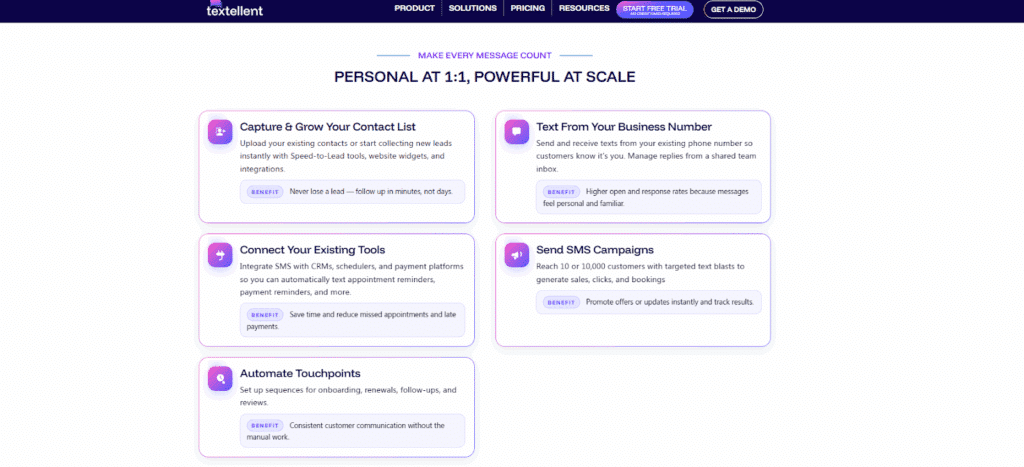
Here’s how Textellent supports daily guest communication
You Can Use Your Hotel’s Existing Number
Textellent lets you send messages from your hotel’s current phone number. Guests recognize the number, so they are more likely to reply without hesitation.
Using one number also keeps everything consistent. Guests don’t need to switch contacts, and staff don’t need to manage multiple lines. All replies come back to the same place.
Shared Inbox for Guest Conversations
There is one shared inbox for all communications. Front desk staff can read, reply, and assign conversations as they come in.
Each message stays in the same thread, so nothing gets lost between shifts. Staff can also check past messages before replying, which helps avoid repeated questions and keeps responses accurate during busy hours.
Automation With Real-Time Replies
Textellent lets you send automatic texts to let the guest know what is going on. You do not have to do anything by hand to send booking confirmations, check-in information, and notes. Even when it is busy, guests still get answers quickly.
Staff can still step in at any point. Automation handles routine updates, while staff members focus on the unique needs of each guest.
Booking Confirmations and Stay Updates
Hotels can send text messages with reservation confirmations and directions on how to check in. Guests get all the information they need before they arrive. This prevents misunderstandings and reduces the need to ask the same questions over and over.
During the stay, staff can send updates as needed. For example, guests can receive a room-ready message or service updates. This keeps guests informed without adding more calls to the front desk.
Handle In-Stay Requests Quickly
Guests can send a message when they need help. Requests for housekeeping, room service, or basic support can be handled in the same thread.
For example, a guest can ask if their room is ready or request extra towels. Staff can answer right away and let the guest know when the request has been taken care of. This keeps requests moving without delays.
Post-Stay Follow-Ups
Communication should continue after checkout. Textellent lets you say “thank you” and ask for comments. Guests can reply with their experience, which helps improve service.
Hotels can also send follow-up offers or reminders for future stays. Staying in touch after the visit makes it easier to bring guests back.
Support the Full Guest Journey
Textellent supports messaging across the full guest journey, from booking to post-stay follow-up. Staff can manage every conversation in one place instead of switching between tools.
Before arrival, hotels can send booking confirmations and check-in details. During the stay, staff can respond to requests and share updates in real time. After checkout, follow-up messages help stay in touch and encourage repeat bookings.
If you want a simple way to manage guest communication and respond faster, Textellent is worth trying. Sign up for a free trial or book a demo with Textellent today!
2. Cloudbeds Guest Experience
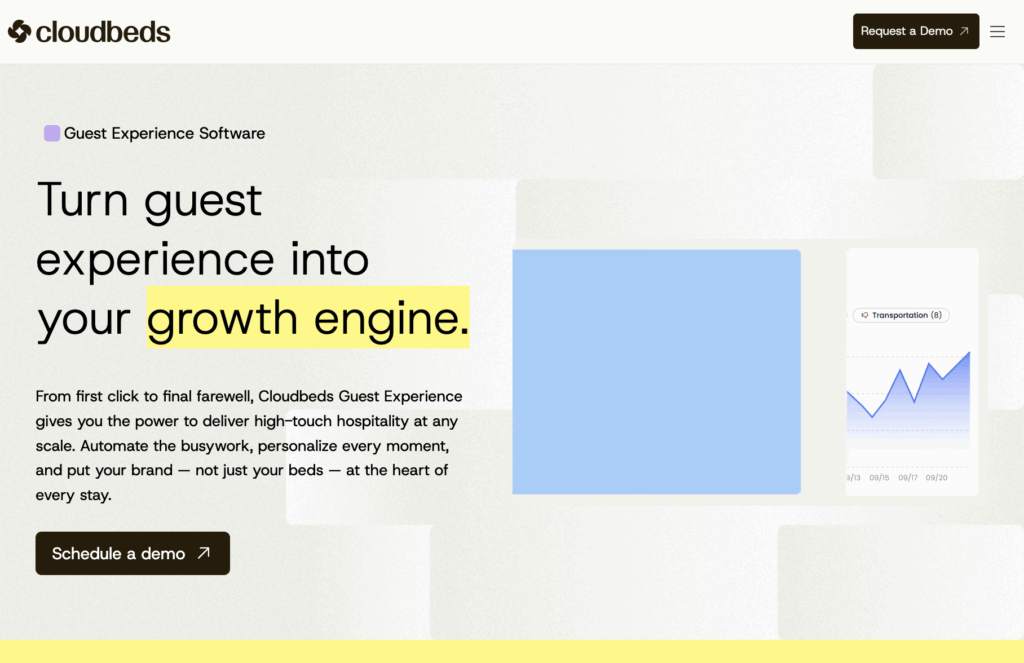
Cloudbeds Guest Experience is built for hotels that already use Cloudbeds as their property management system (PMS). It focuses on hotel guest messaging tied to daily hotel operations and front desk workflows.
The front desk staff can answer queries, give updates, and take service requests all in one place. This makes it easier to keep track of conversations during busy shifts.
Source: cloudbeds.com
Cloudbeds also lets you send messages before, during, and after the stay. Guests may get their check-in information, have their queries answered, and receive post-checkout follow-ups all through the same system.
One useful feature is how messages connect to hotel tasks. Staff can turn a guest request into an internal task, such as housekeeping or maintenance, without leaving the platform.
On the downside, it works best inside the Cloudbeds system. Hotels that use a different PMS may need a separate setup or another tool.
3. Akia
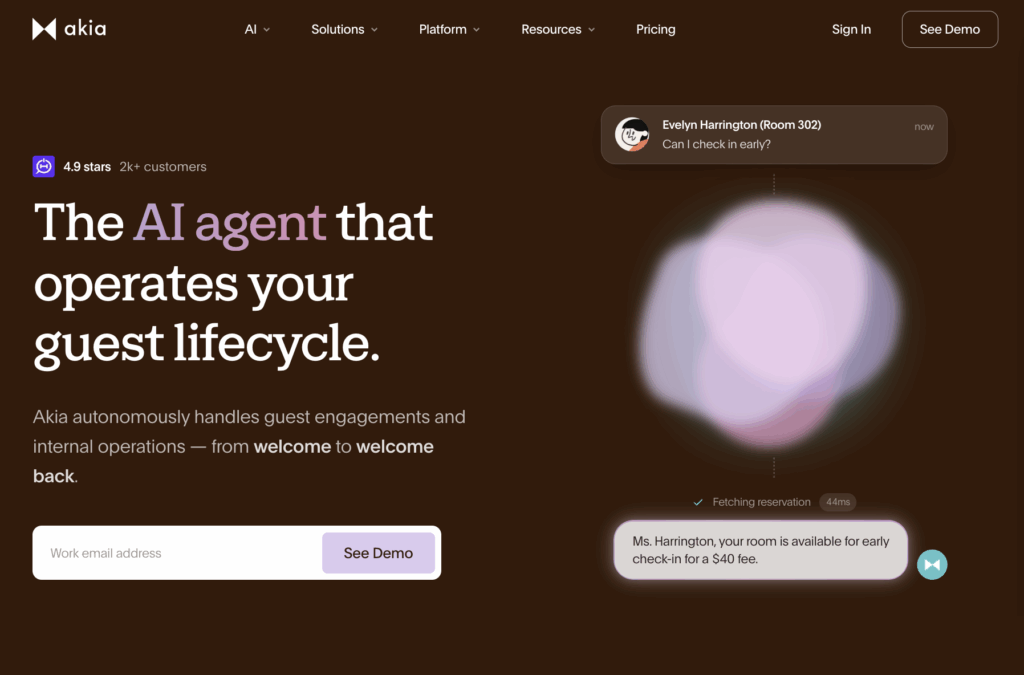
Akia focuses on automation and sending notifications to guests throughout their stay. It makes it easier for the staff to communicate from the time a guest books a room until after they leave.
A variety of methods, including web chat, SMS, and others, are available for guests to leave messages. Staff can manage replies from one place instead of checking different platforms.
Source: akia.com
During busy times, Akia can answer typical questions. This helps staff keep up with incoming messages without falling behind.
Akia also supports multilingual support. When handling foreign travelers, it is helpful that guests may send inquiries in their own language and get an answer right away.
In addition to the benefits of the guest messaging system, Akia can run targeted, multi‑channel follow‑up campaigns (including SMS, email, and ads) to re‑engage past guests. Hotels can send offers or reminders based on past stays and guest preferences.
One thing to keep in mind is the level of automation. Some hotels may prefer more direct control over conversations, especially for detailed or sensitive requests.
4. Kipsu
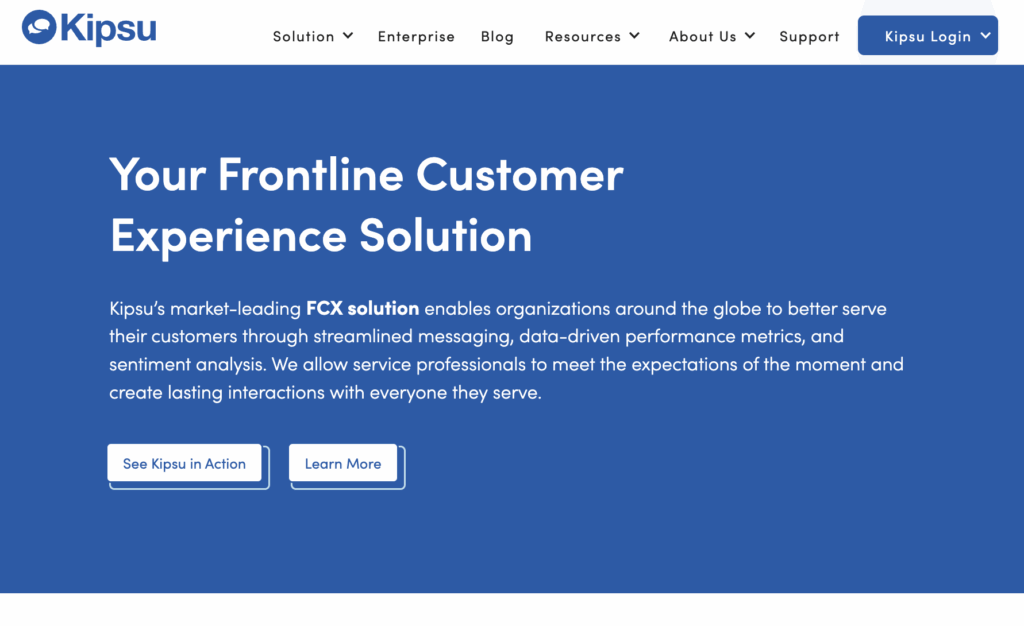
Kipsu helps hotels handle guest messages while keeping a strong focus on service quality. It is used by many hotels to manage guest engagement and respond to issues as they come up.
Guests can send texts while they are there, and staff can answer right away. This makes it easier to spot problems early and act before they grow. A guest, for example, can say that something is wrong with their room, and staff can come right away to start fixing the problem.
Source: kipsu.com
Kipsu also gets comments from guests before, during, and after their stay. Hotels can alter their service based on real feedback from guests. This helps you connect better with your guests and provide exceptional service more often.
Since its strength lies in guest service and feedback, Kipsu works well for hotels that want to improve their response to guest concerns.
Looking at the drawbacks, it leans more toward feedback and service tracking. Hotels that need broader messaging or campaign features may need to look at other options.
5. Textline
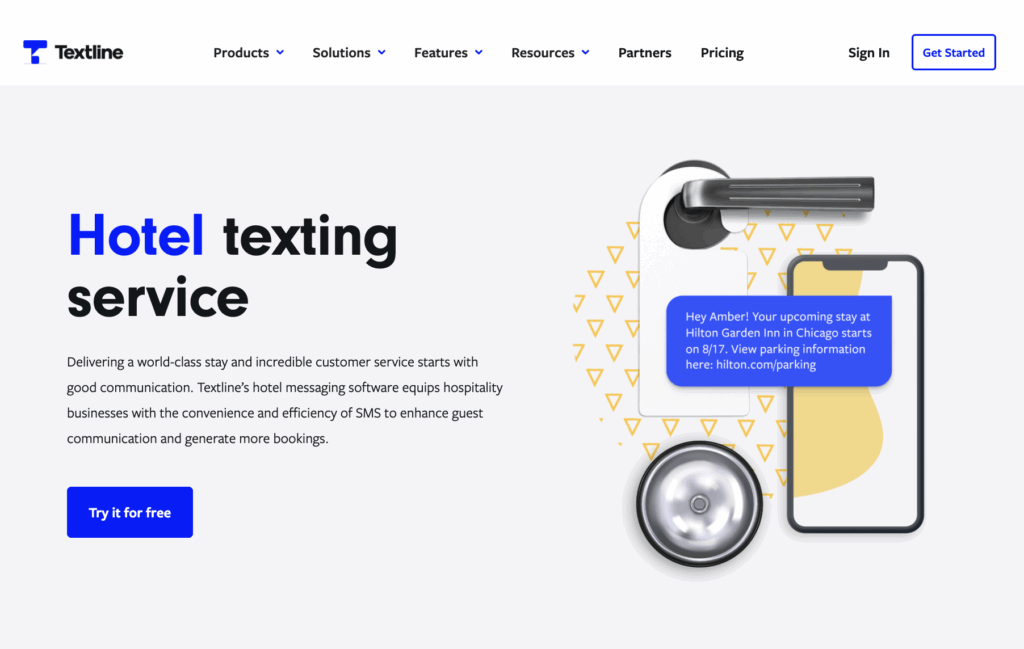
Textline is a guest messaging tool hotels can use for two-way texting. It supports instant messaging, shared inbox use, and basic automations for guest and staff communication. It lets hotels send welcome texts, booking reminders, and service requests.
Staff members can stay on top of replies even during peak hours thanks to the ability to manage messages in a single inbox.
Source: textline.com
With Textline, you may add internal comments and numerous numbers, which comes in handy when the number of messages starts to increase. For example, a guest can text for extra towels, and staff can reply while another staff member handles the request.
It can also be used to notify staff about room status or requests when connected to your PMS or task‑management tools. Hotels that want simple text communication may find it useful for day-to-day work.
One thing to keep in mind is that Textline is a more general business texting platform. Hotels that want deeper hotel-specific features may need something built more closely around hospitality workflows.
6. EZ Texting
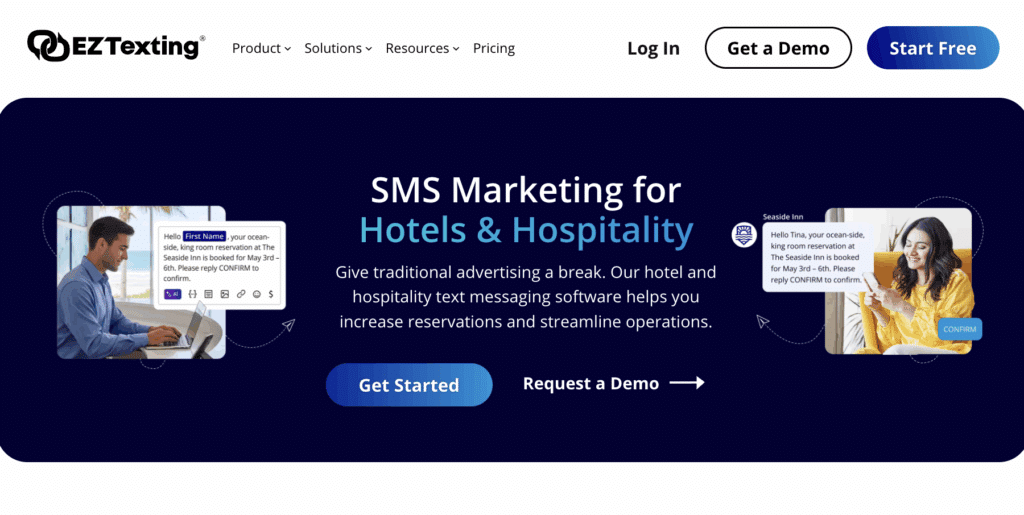
EZ Texting is a simple option for hotels that want to send campaigns and automated messages without a hard setup process. It is used by many hospitality businesses, including boutique hotels, lodges, inns, and resorts, for promotions, reminders, and guest updates.
Hotels can use it to send booking reminders, welcome texts, review requests, and limited-time offers. That can help drive direct bookings, especially when you want to send offers to guests when rooms are still open during slower periods.
Source: eztexting.com
It also supports two-way texting, so guests can reply with questions or service needs.
EZ Texting may also help when message volume starts to grow. Staff can schedule campaigns, use workflows, and manage outreach from one platform. A hotel may send a check-in reminder and then ask for a review after the stay.
It’s also worth noting that EZ Texting leans more toward marketing and campaigns. Hotels that want more from their hotel messages might want a tool that is designed to help them communicate with their guests every day.
7. ClickSend
ClickSend is a messaging platform for sending SMS and MMS to guests in different countries. Many independent hotels use it to send updates, alerts, and basic guest messages.
Hotels can send booking confirmations, check-in information, and service updates to guests via text. It can also manage large message volumes, which is useful when multiple guests require the same update at the same time.
Source: clicksend.com
For instance, staff can inform visitors when their rooms are ready or send important messages during hectic times.
Given its global setup, ClickSend also supports complex routing. Messages can be sent through different routes to reach guests in various regions. This is useful for hotels with international guests or multiple locations.
Another point to consider is that ClickSend focuses more on sending messages than managing back-and-forth conversations. Hotels that need ongoing guest replies and full conversation tracking may need a tool built for daily guest interaction.
8. Twilio
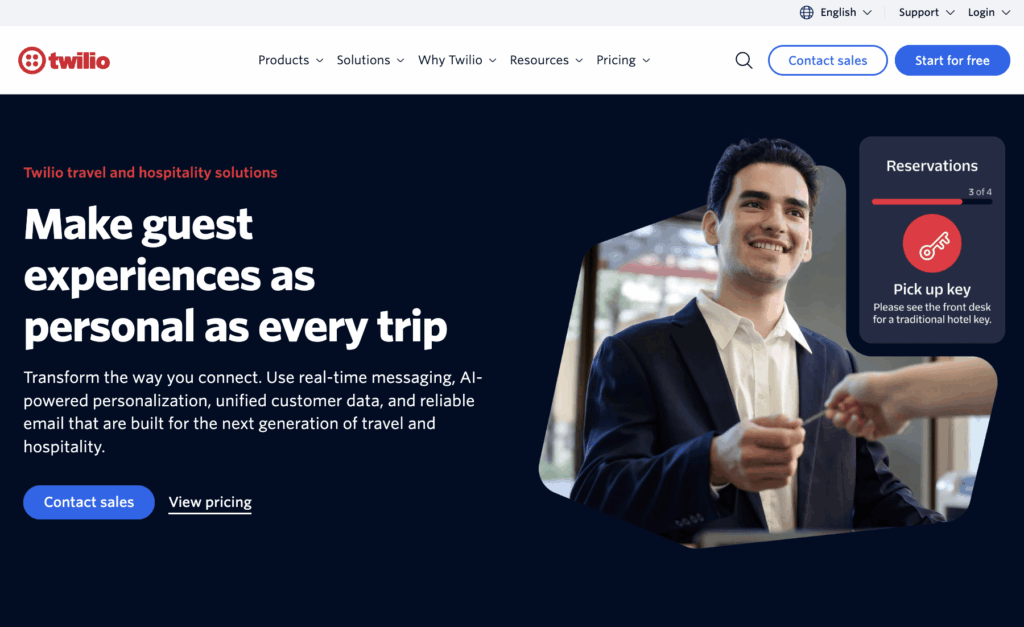
Twilio is a messaging platform for hotels that want more control over how their messaging setup works. It can send text, audio, and even video messages, which can help hotels get in touch with guests in multiple ways.
Hotels can use Twilio to send booking updates, respond to guest questions, or build tools like a digital guest directory.
Source: twilio.com
Hotels or partners can use Twilio’s AI-powered tools to build automated assistants for common questions. For example, a hotel can set up automatic replies for simple requests or send messages during different stages of the stay.
Given its flexible nature, Twilio allows hotels to design how guest communication works from start to finish. It can support unique setups that match how each property runs.
It’s often reported that Twilio takes more time to set up than other tools. Hotels may need a developer or technical support to get everything running and maintain it over time.
How Text Messaging Improves Guest Communication
Text messaging is not just about faster replies. It changes how guests ask for help during their stay.
Guests can send a message and get instant answers. They don’t need to wait on hold or repeat the same request. It is easy to keep track of what has already been talked about because everything stays in one thread.
Faster replies mean fewer follow-ups. Guests don’t need to check in again just to get an update, which leads to higher guest satisfaction over time. Staff can also see the full conversation, which helps avoid missed details.
For instance, a guest can text to ask a question or order room service. Staff reply in the same thread and confirm once the request is done.
This setup keeps both sides on the same page. Guests stay informed, and staff can manage requests without switching between tools.
When to Use Text Messaging in the Guest Journey
Hotels communicate with guests at different points in the stay. The timing of each message affects how useful it is.
Text messaging is most useful when used at important times during the guest’s stay.
Before Arrival
Basic information is what guests look for before they come. They want to know about their reservation, get directions, and know how to check in.
Text messaging helps send pre-arrival updates and support online check-in. It also helps address queries that guests have before they arrive and keeps track of their preferences.
For example, a guest may reply to a booking confirmation to ask about early check-in or parking. Staff can respond right away and confirm the details.
Guests may also ask about amenities or arrival time. Quick replies at this stage help avoid confusion later.
Clear communication prior to arrival can help boost direct reservations, as guests feel prepared for their stay.
During the Stay
Guests need quick answers once they arrive. Requests come in for room service, housekeeping team, or basic updates.
Text messaging helps staff meet guests where they are and handle service requests as they come in. It also helps manage guest inquiries and respond to issues that need service recovery.
For example, a guest can send a message to ask if their room is ready. The staff can respond straight away, so the guest does not have to follow up.
Guests can also ask for more towels, find out when services are available, or report a problem. Once a staff member has dealt with a request, they can confirm it in the same thread.
This makes it easier to keep up with guests’ needs during the stay and keep service running smoothly.
After Checkout
Communication with guests should not stop after their stay. This is where post-stay follow-up becomes important.
Text messaging helps hotels send quick thank-you messages, request feedback, and maintain personalized service. It also supports personalized interactions that keep the conversation open.
For example, a guest receives a post-stay message asking about their visit or if everything met their expectations. Staff can respond to feedback or thank the guest for their input.
You can also send a follow-up offer or reminder for a future visit.
These follow-ups help build guest loyalty, bring back repeat guests, and support better customer satisfaction.
How to Evaluate a Hotel Text Messaging System
The software you choose for guest communications can change the way your staff handles requests from guests every day. If the tool is hard to use, it slows down response time and creates more work.
Keep It Simple for Your Team
Hotel staff should be able to reply without long training. A good guest messaging platform should be easy to use from the start.
For instance, someone at the front desk should be able to open the inbox, read a message, and respond within seconds. This helps save time and keeps service moving.
Textellent is built with this in mind, so staff can manage messages and SMS automation in one place.
Use Automation Where It Makes Sense
On some days, certain messages are the same. Automated messages can be sent to confirm and remind people of their bookings.
At the same time, personnel should continue to respond to guest-specific questions. This balance helps handle guest requests while keeping communication personal.
Keep Conversations in One Place
Messages should not be spread across different tools. A strong system keeps all conversations in one thread. This helps staff keep track of guest needs, examine past messages, and respond in the proper way.
Check Fit With Your Existing Tools
High-quality guest messaging software should connect with your booking system or customer relationship management (CRM) software. This keeps guest information in sync and easy to access.
It should also support data security and protect guest privacy at all times.
When a platform includes the right advanced features, it becomes a valuable tool that provides valuable insights into guest activity and message history.
Stay Connected With Guests Throughout Their Stay With Textellent
If you want a better way to manage guest communication, text messaging can replace slow replies with faster, more consistent conversations.
Textellent helps hotels handle requests from guests before they arrive and after their stay. Staff can send booking confirmations, answer guest questions, and follow up without adding more phone calls.
This also helps keep guest interactions active, which can support better service and bring guests back for future stays.
Textellent is worth a try if you are looking for an effortless approach to improve guest communications at your hotel. Sign up for free or schedule a demo with Textellent today!
FAQs About Hotel Text Messaging System
What types of messages can hotels send through text messaging?
Hotels can send booking confirmations, check-in details, and directions through text before arrival. During the stay, staff can let guests know when their rooms will be ready, handle requests, and talk about services. After a guest checks out, staff can send them thank-you notes, ask for feedback, and make follow-up offers.
Do hotels need guest consent to send text messages?
Before sending text messages, hotels must get permission from their guests. Usually, consent is acquired when you reserve a room, check in, or fill out an internet form. Guests should also be able to easily say no at any time.
Can hotel text messages be automated?
Yes. Hotels can automate text messages such as booking confirmations, check-in reminders, and post-stay follow-ups. Staff can still step in to answer guest questions when needed, so communication stays efficient and personal.

Get Started with Business Texting
Simple to launch, built to scale. Try Textellent FREE for 14 Days
Start Free Trial