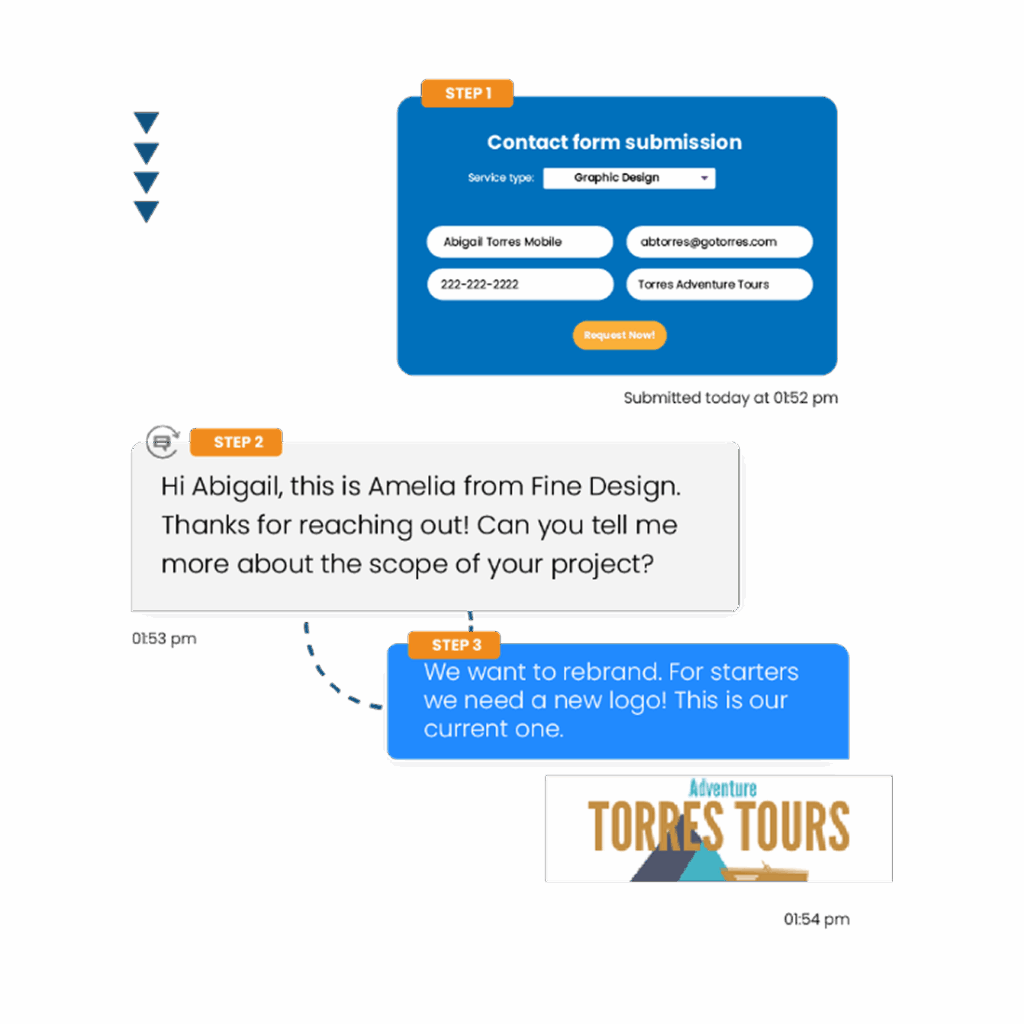
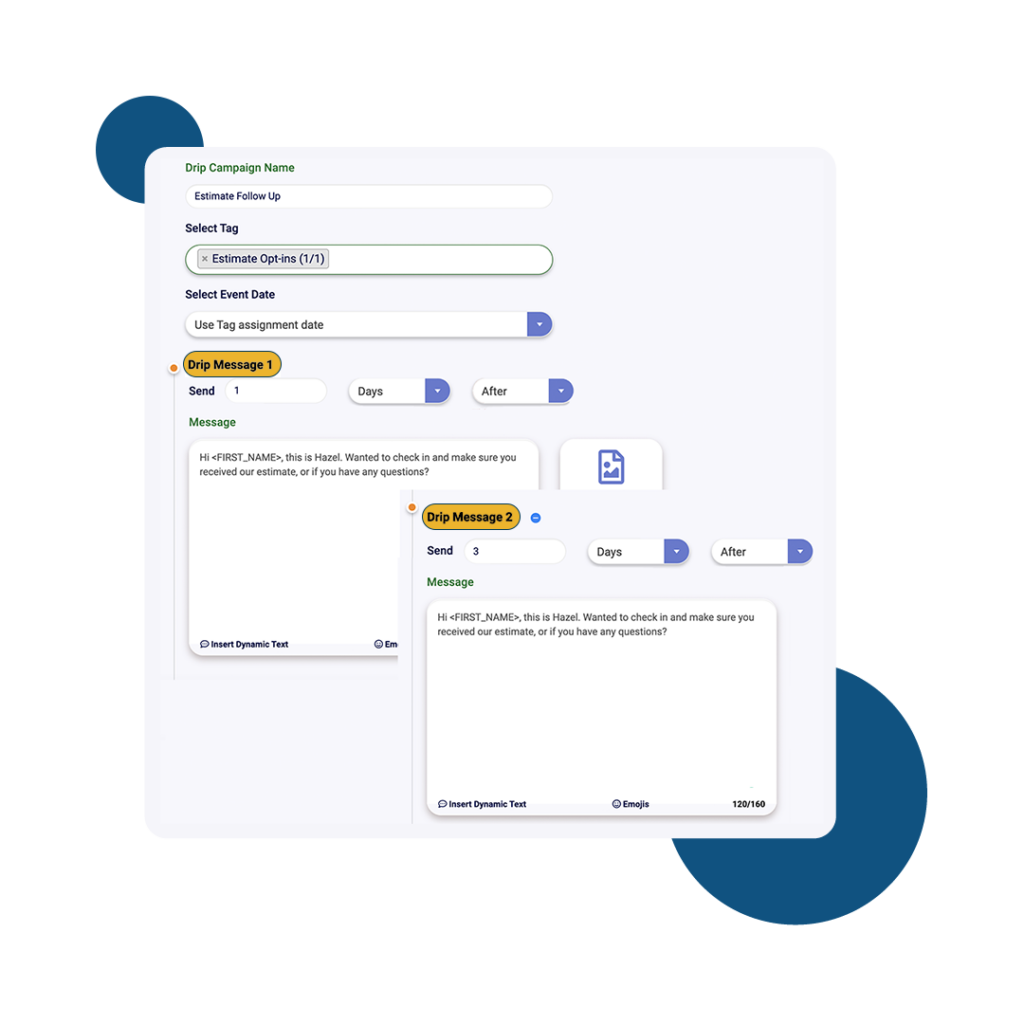
Webhooks let business texting systems talk to each other in real time so message events automatically flow between tools instead of needing manual updates. In everyday terms, they quietly pass SMS activity like replies or status changes to your CRM or other apps so workflows stay aligned with what customers are actually doing. This guide outlines how Webhooks fit into SMS operations and when they make the most sense to use in your messaging setup.
Webhooks are automated notifications that one system sends to another when a specific event happens in real time.
In SMS communication, Webhooks are used to instantly pass information like delivery reports, replies, opt-outs, or failed message statuses from the messaging provider back to your application.
They work by sending an HTTP request to a URL you have configured, carrying data such as the phone number, message body, timestamp, and status code.
Your system then reads this data and can update contact records, trigger follow-up messages, alert staff, or adjust workflows based on what actually happened with the SMS.
This process makes sure the final experience feels responsive and accurate, since message flows adapt immediately to each recipient’s actions and message outcomes.
Using Webhooks to Keep Messaging Data Synchronized
Webhooks are particularly valuable whenever live message status affects how your team should respond. They help support and sales teams keep a single source of truth, so when a customer texts back, unsubscribes, or a message fails, your CRM and ticketing tools reflect that reality without manual updates. This reduces confusion between departments, cuts down on duplicate outreach, and keeps opt-out handling consistent for compliance. Webhooks also allow time-sensitive programs like appointment reminders, delivery notifications, or fraud alerts to stay coordinated with what actually happened, so follow-ups feel relevant rather than generic. By tying each SMS event directly into your workflows, Webhooks make sure messaging stays clear, timely, and aligned with the customer’s current situation.
98%
of texts are read immediately
70%
of consumers want to text businesses
40%
of consumers said they have tried to text a business
Webhook Best Practices
Using webhooks effectively starts with treating them as part of your overall SMS workflow, not just a technical add-on.
Each incoming webhook should have a clear purpose, such as updating CRM fields, logging delivery outcomes, or routing conversations to the right team, so the data never feels disconnected from real-world messaging.
To keep message quality high, design your logic so that automated replies or follow-ups always match the latest status, avoiding duplicate texts or conflicting updates to the same contact.
Make sure the tone of any automated response remains consistent with your brand voice, even when triggered by events like failures, opt-outs, or after-hours replies.
Data accuracy depends on validating fields before you write them into your systems and handling missing or unexpected values without breaking workflows.
Common pitfalls include reacting to the same event more than once, ignoring error codes, and allowing test endpoints to stay active in production.
Building simple monitoring around webhook performance helps catch delays or failures early so operational behavior stays predictable and professional.
Everything You Need to Scale SMS
Read
Our Blog
March 3, 2026
Sent as SMS: Meaning Behind the Delivery Switch
What does sent as SMS mean? What it means for your SMS campaign? Learn about it and discover…
The Textellent Messenger is a Chrome extension that lets your team text inside the apps you already use—no code, no tab-switching. View full conversation history, reuse approved templates and media, and keep replies organized in a shared inbox.
Textellent integrates with 800+ apps—CRMs, schedulers, forms, and payment platforms—so data flows in and texts go out at the perfect moment. Map fields once, tag contacts consistently, and keep systems in sync.
Turn common events into automatic SMS touchpoints: new leads, appointments, payments, status changes, and more. Build simple, rules-based flows that send the right text and follow-ups without manual work.
The Franchisor Module gives franchisors clear visibility across locations while empowering franchisees to execute consistent, on-brand texting that drives growth. Scale what works and spot where support is needed—fast.
Keep conversations moving on the go. The Textellent Mobile app brings your shared inbox to iOS & Android with real-time push notifications, quick-reply templates and media, conversation assignment, and full sync to your CRM—so nothing slips through when you’re away from your desk.
How do webhooks automate SMS workflows in Textellent?−
Webhooks in Textellent automatically trigger SMS workflows when external systems send real-time updates to its API. Webhooks pass data such as appointment changes or CRM events so Textellent can start or adjust templates, drip campaigns, reminders, and follow-ups without manual steps. Webhooks help keep conversations timely, personalized, and compliant.
How do webhooks help sync SMS data with other tools?+
Webhooks help sync SMS data by instantly sending message details to other tools the moment an event occurs. They allow systems like a CRM or analytics platform to receive structured SMS information through an API without manual exports. They also make sure data stays consistent across platforms in near real time.
How do webhooks trigger SMS notifications for business events?+
Webhooks trigger SMS notifications by sending real-time event data from one system to an SMS provider's API endpoint. The provider parses the webhook payload to identify the recipient, message content, and any business context. The SMS platform then converts this data into an outbound SMS that reflects the specific business event.
How do webhooks support real-time SMS delivery updates?+
Webhooks support real-time SMS delivery updates by sending HTTP callbacks from the messaging provider to a specified URL the moment delivery events occur. They carry structured data about status, timestamps, and error codes so systems can react instantly. This lets applications update logs, dashboards, or CRM records without continuous polling.