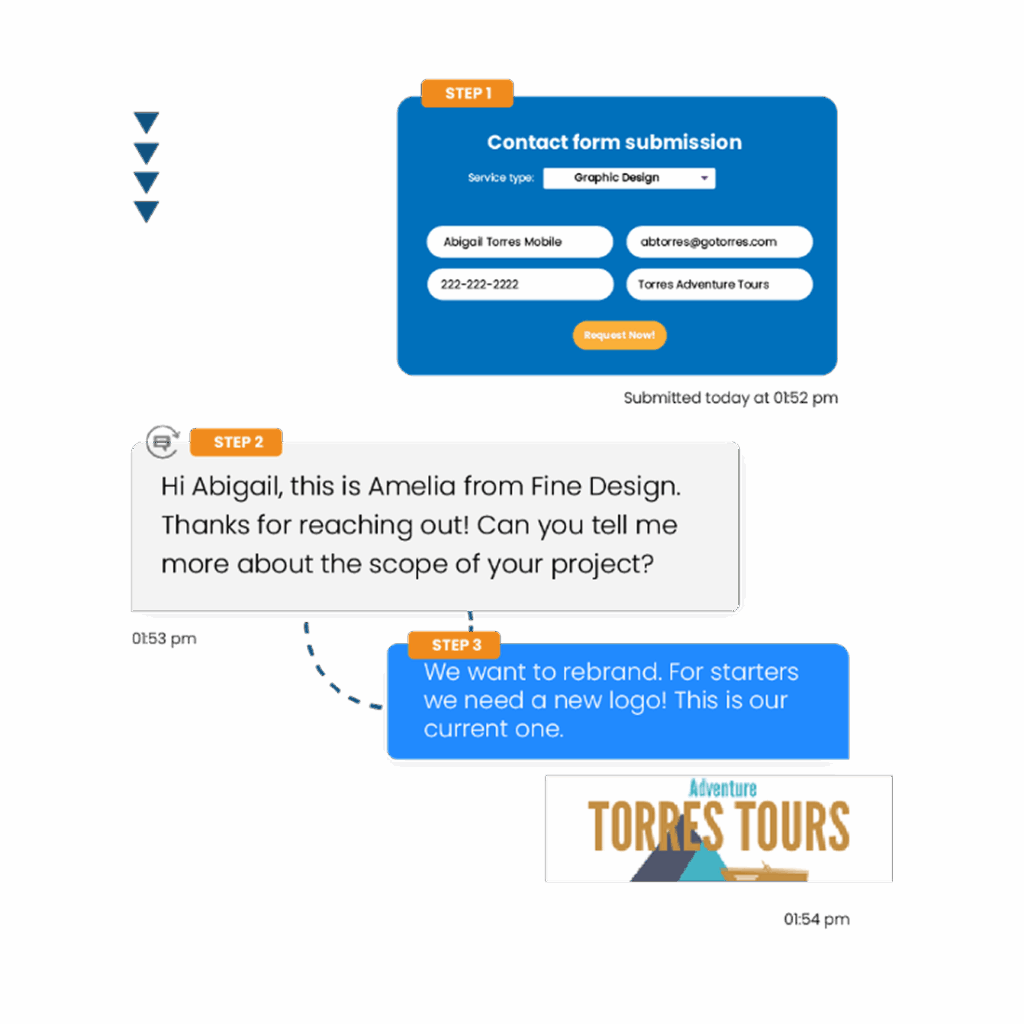
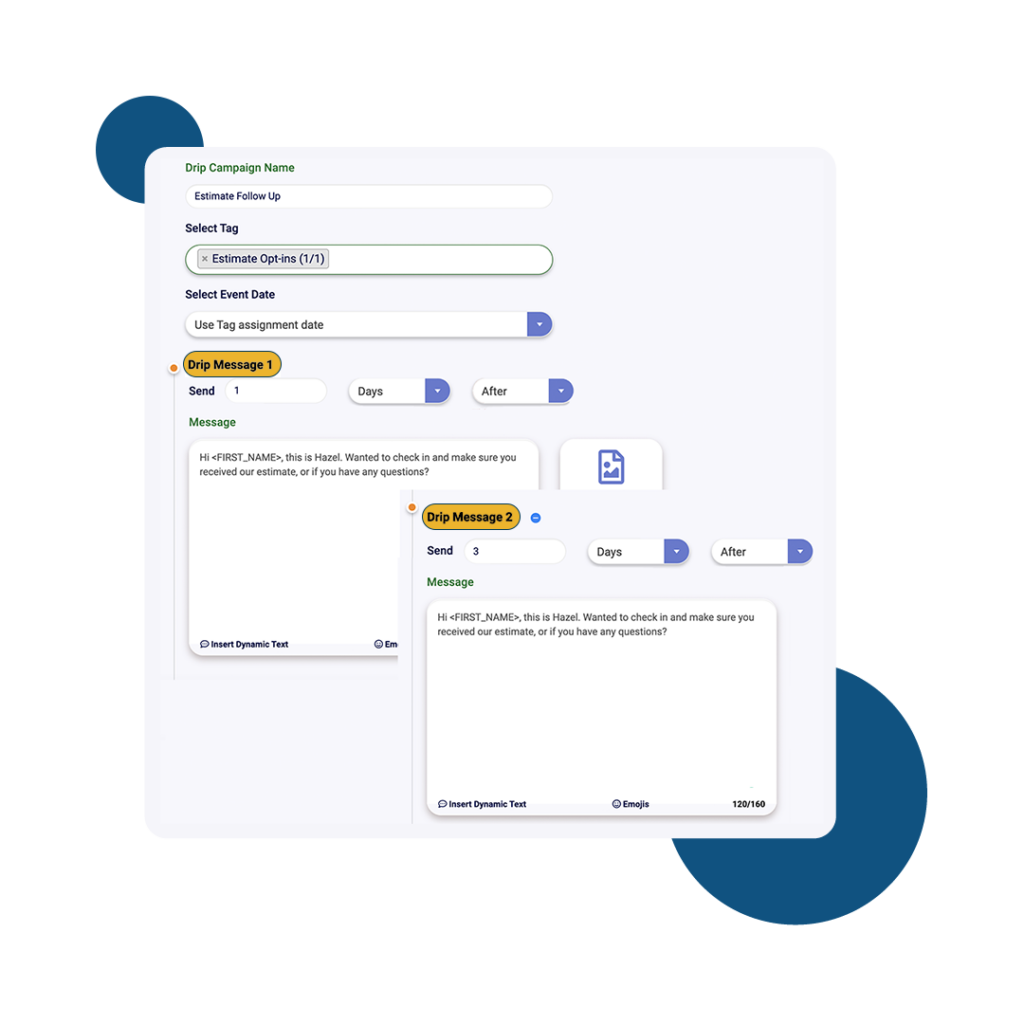
Test environments help businesses safely trial SMS conversations so message changes and new flows do not affect real customers. They provide a contained space where teams can see how texts behave in practice and make sure content, routing, and timing work as intended before going live. The rest of this guide outlines how test environments operate in business texting and when they are most useful.
Test environments are controlled spaces where SMS messages are created, tested, and reviewed before being sent to real recipients.
They simulate how messages will behave on different devices, carriers, and conditions so teams can spot issues early.
Within SMS communication, a test environment lets you send trial messages to internal numbers or virtual phones instead of customers.
This makes sure links, merge fields, opt-out language, and timing all work as expected in realistic scenarios.
Test environments depend on accurate contact data, message templates, routing rules, and integration settings with your SMS platform.
They also rely on logs and delivery reports to confirm what happens to each test message.
By using test environments, organizations protect users from broken links, formatting problems, or confusing content.
The final experience feels more reliable, consistent, and professional because mistakes are caught before going live.
Test Environments That Support Development and QA
Test environments are especially helpful when multiple teams touch the same SMS flow, such as marketing, product, and support. They let developers test new features, like short links or reply keywords, without interrupting live customer conversations. QA teams can verify that automated journeys trigger at the right time and that branching logic behaves correctly across edge cases. In regulated industries, test environments support compliance by validating opt-out handling, consent flows, and required disclosures before launch. They also improve clarity and engagement by letting writers experiment with tone, length, and timing using realistic test audiences. Over time, this disciplined use of test environments leads to cleaner logs, fewer production rollbacks, and more consistent message quality.
98%
of texts are read immediately
70%
of consumers want to text businesses
40%
of consumers said they have tried to text a business
Test Environments Best Practices
Test environments are most useful when they mirror real sending patterns, not just isolated test cases.
Teams should rehearse full journeys, such as a reminder followed by a confirmation SMS, so timing, dependencies, and follow-up logic behave as expected across different scenarios.
Writers can use test environments to compare tones, message lengths, and link placements, reviewing the SMS on multiple devices to make sure it reads clearly and looks professional in each format.
Data accuracy is just as important in testing as in production, so test contact profiles should contain realistic names, time zones, and opt-in statuses to reveal issues that sterile dummy data might hide.
A common mistake is editing message templates directly in production instead of validating changes in a test environment first, which risks typos, broken URLs, or incorrect personalization reaching customers.
Another pitfall is ignoring delivery reports, logs, or failure patterns in the test environment, which reduces its value and makes operational consistency harder to maintain once live.
Everything You Need to Scale SMS
Read
Our Blog
14 Promotional Message Examples to Capture Customers
Keeping in touch with customers is essential for any business looking to succeed. One of...
The Textellent Messenger is a Chrome extension that lets your team text inside the apps you already use—no code, no tab-switching. View full conversation history, reuse approved templates and media, and keep replies organized in a shared inbox.
Textellent integrates with 800+ apps—CRMs, schedulers, forms, and payment platforms—so data flows in and texts go out at the perfect moment. Map fields once, tag contacts consistently, and keep systems in sync.
Turn common events into automatic SMS touchpoints: new leads, appointments, payments, status changes, and more. Build simple, rules-based flows that send the right text and follow-ups without manual work.
The Franchisor Module gives franchisors clear visibility across locations while empowering franchisees to execute consistent, on-brand texting that drives growth. Scale what works and spot where support is needed—fast.
Keep conversations moving on the go. The Textellent Mobile app brings your shared inbox to iOS & Android with real-time push notifications, quick-reply templates and media, conversation assignment, and full sync to your CRM—so nothing slips through when you’re away from your desk.