Source system triggers let businesses connect real-world activity in their other tools with timely SMS, so messages go out when something meaningful actually happens. They act as a bridge between platforms and texting, making sure updates, reminders, and confirmations arrive in step with orders, appointments, and support events. This guide outlines how source system triggers operate in practice and when they make the most sense to use in your SMS workflows.
Source system triggers are automated events in connected systems that start an SMS workflow as soon as specific conditions are met.
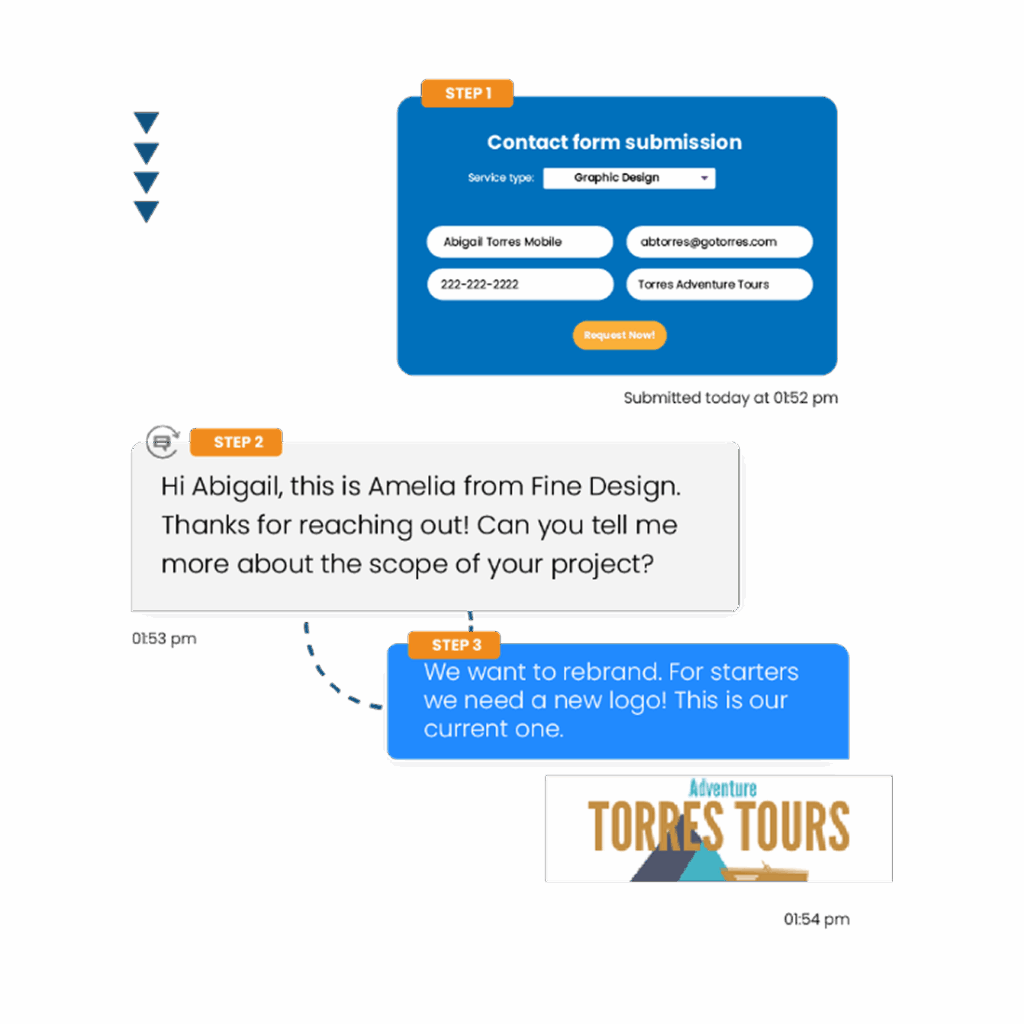
They listen for changes like a new order, a status update, or a missed appointment in the source platform, then signal the messaging system to send the right text.
These triggers depend on structured data flowing from CRMs, booking tools, support platforms, or internal databases, along with clear rules that define when a message should fire.
They also rely on accurate timestamps, identifiers, and event types so the system can match the right contact and context.
By controlling timing and relevance, source system triggers help messages arrive precisely when something important happens, which keeps communication timely, consistent, and closely aligned with each user’s real-world activity.
Source System Triggers That Initiate Messaging Events
Source system triggers are especially useful when timing directly affects customer expectations, such as order handoffs, service milestones, or support updates. They keep teams from manually tracking every step or copying details between systems, which reduces errors and keeps internal workflows lean. In practice, a trigger from a CRM or ticketing platform can send a tailored SMS using the latest record data, so each message reflects the customer’s current situation. This improves clarity because the content and timing match what just happened, not what someone remembers to type later. It also strengthens compliance and trust, since communication follows consistent rules instead of ad hoc, individual decisions.
98%
of texts are read immediately
70%
of consumers want to text businesses
40%
of consumers said they have tried to text a business
Source System Triggers Best Practices
Using source system triggers effectively starts with treating them as part of your core process, not a side channel.
Each trigger should have a clear purpose that matches a specific event, so the resulting SMS feels expected and directly related to what just happened.
To keep tone professional, define simple templates that match your brand voice and avoid jargon, then link them to each trigger so similar events always produce similar language.
Data accuracy is critical, so make sure the source fields feeding your triggers are validated and regularly reviewed, especially dates, status codes, and contact details.
Before going live, run real-world tests with sample records to confirm that message content, timing, and recipient matching all behave as intended.
Operational consistency improves when ownership is defined, so one team is responsible for updating trigger rules and reviewing exceptions instead of everyone adjusting them ad hoc.
Common pitfalls include duplicate triggers, conflicting rules, and overly frequent messages, which can confuse customers and make your SMS program feel noisy or uncoordinated.
Everything You Need to Scale SMS
Read
Our Blog
March 3, 2026
Sent as SMS: Meaning Behind the Delivery Switch
What does sent as SMS mean? What it means for your SMS campaign? Learn about it and discover…
The Textellent Messenger is a Chrome extension that lets your team text inside the apps you already use—no code, no tab-switching. View full conversation history, reuse approved templates and media, and keep replies organized in a shared inbox.
Textellent integrates with 800+ apps—CRMs, schedulers, forms, and payment platforms—so data flows in and texts go out at the perfect moment. Map fields once, tag contacts consistently, and keep systems in sync.
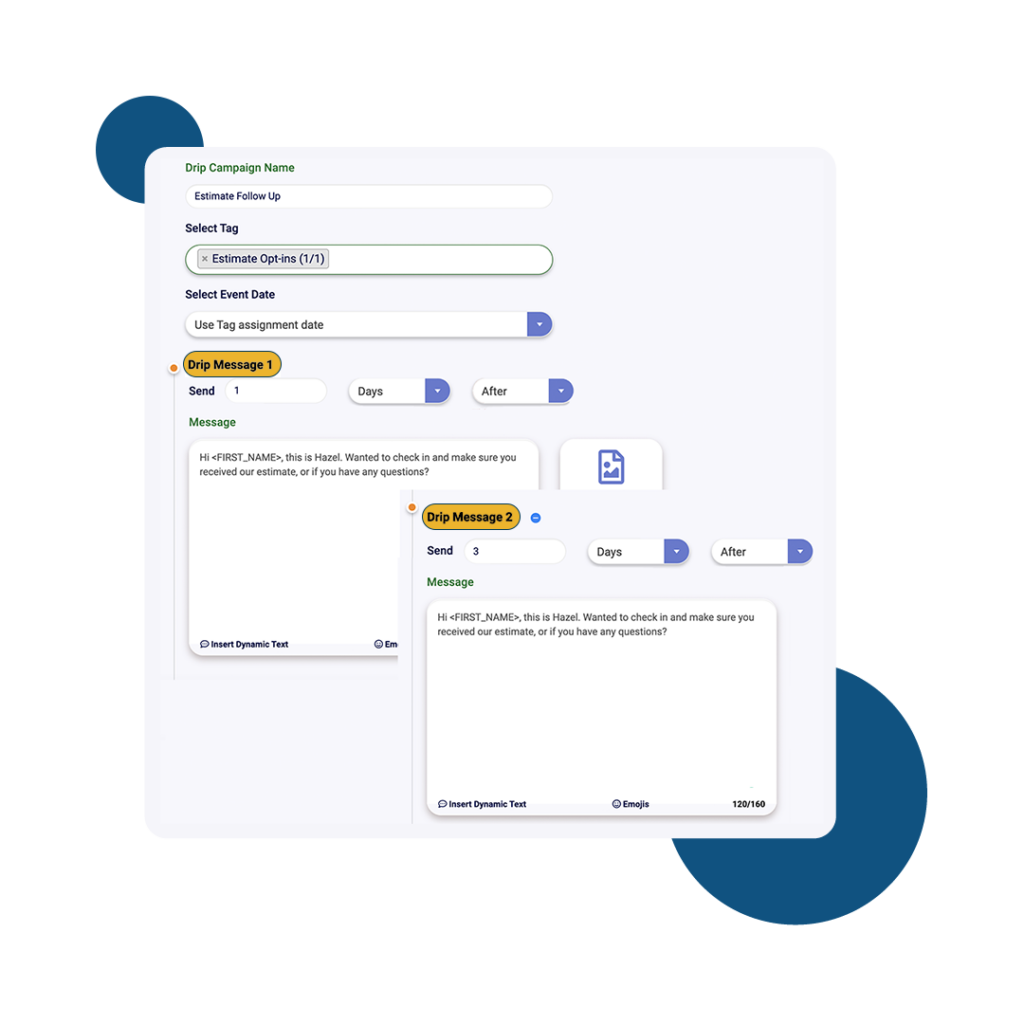
Turn common events into automatic SMS touchpoints: new leads, appointments, payments, status changes, and more. Build simple, rules-based flows that send the right text and follow-ups without manual work.
The Franchisor Module gives franchisors clear visibility across locations while empowering franchisees to execute consistent, on-brand texting that drives growth. Scale what works and spot where support is needed—fast.
Keep conversations moving on the go. The Textellent Mobile app brings your shared inbox to iOS & Android with real-time push notifications, quick-reply templates and media, conversation assignment, and full sync to your CRM—so nothing slips through when you’re away from your desk.
How do source system triggers automate SMS in Textellent?−
Source system triggers in Textellent link external tools to automated SMS workflows by reacting whenever connected systems update customer records or events. They use incoming data from schedulers or CRM platforms to start personalized messages, reminders, or follow-ups without manual effort. They also respect opt-in rules and quiet hours so automated SMS stay compliant.
What are source system triggers in business texting workflows?+
Source system triggers in business texting workflows are automated events that start SMS or MMS messages based on activity in another platform like a CRM or billing system. They listen for data changes, such as a new order or appointment, then call an API or workflow to send the text. They make sure messages are timely, relevant, and consistent.
How do source system triggers support SMS compliance requirements?+
Source system triggers support SMS compliance by automatically applying consent rules before messages are sent. They validate opt-in, opt-out, and preference data in the source platform so campaigns respect TCPA and local regulations. They also synchronize compliant customer records across CRM and other systems through standardized API workflows.
How do source system triggers improve SMS delivery timing?+
Source system triggers improve SMS delivery timing by sending messages automatically when specific events occur in the originating platform. They remove manual steps, so SMS messages are dispatched at the exact moment data changes in the CRM or other connected systems. This real-time linkage helps make sure customers receive relevant updates without delay.