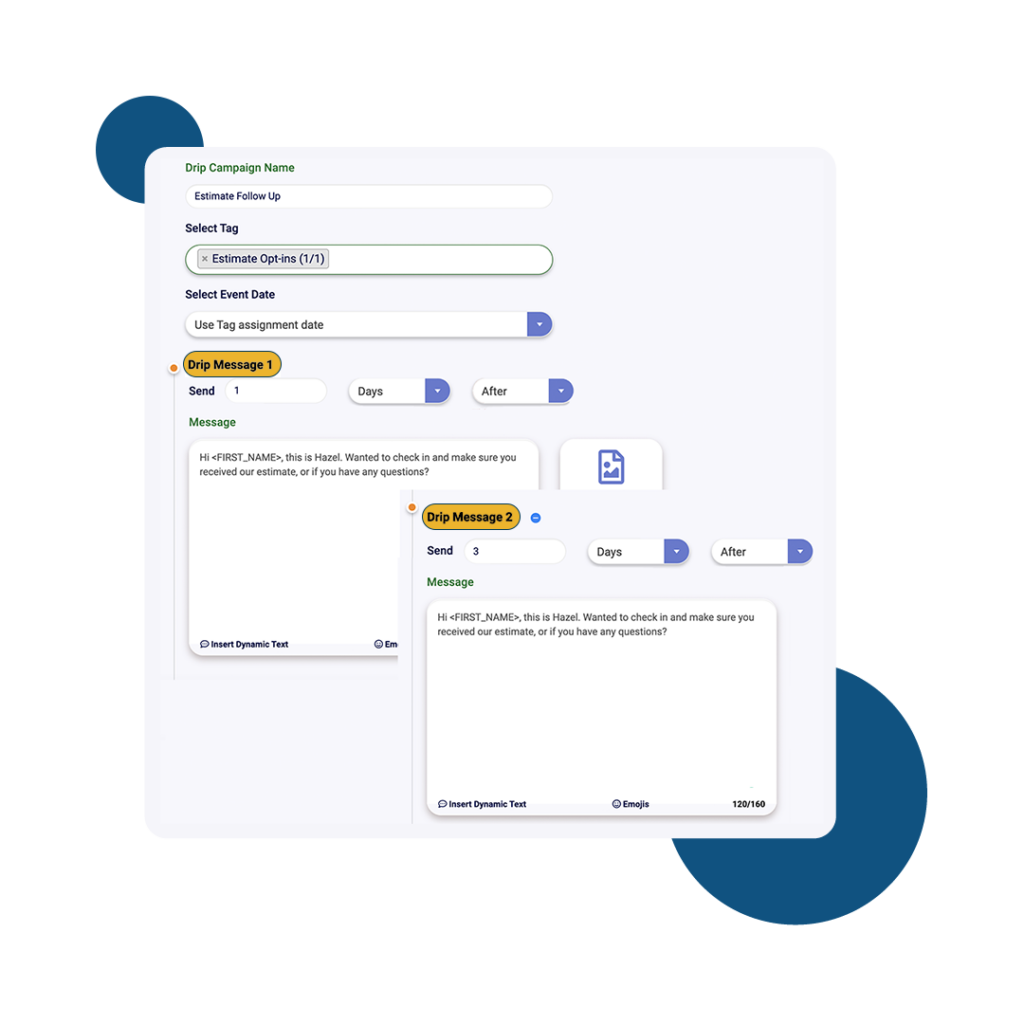
SMS quiet hours help businesses control when outbound SMS messages are delivered so contacts are not reached at inconvenient times. They create predictable windows where automated or bulk texts pause, protecting recipients’ routines while keeping communication organized and timely. This guide outlines how SMS quiet hours operate in typical messaging workflows and when it makes practical sense to turn them on for your programs.
SMS quiet hours are specific time windows when a messaging system automatically holds outgoing texts so contacts are not disturbed.
They function by checking each message against a schedule that defines blocked times, such as late at night or early in the morning.
If a message is created or triggered during SMS quiet hours, the system queues it instead of sending it immediately.
Once the quiet period ends, queued messages are released and delivered according to the order and rules set in the platform.
This feature depends on accurate time settings, contact time zones, campaign rules, and any local or carrier regulations that apply.
By controlling timing, SMS quiet hours protect recipients from unwanted interruptions and make sure communication feels respectful, compliant, and more likely to be well received.
SMS Quiet Hours: Why They Matter
SMS quiet hours are especially valuable for industries where timing directly affects customer satisfaction, such as healthcare, home services, and retail promotions. They prevent a late-night refill reminder from waking a patient, stop a discount blast from interrupting family time, and keep workflow alerts from reaching staff during off-shift hours. This improves clarity because messages arrive when people are more likely to read and act on them, instead of being buried in overnight noise. It also streamlines operations by aligning automated campaigns with business hours, so follow-up teams are available when replies come in. Used correctly, SMS quiet hours support compliance with local rules, reflect respect for personal boundaries, and lead to more relevant, higher-quality conversations.
98%
of texts are read immediately
70%
of consumers want to text businesses
40%
of consumers said they have tried to text a business
Best Practices for Using SMS Quiet Hours
Applying SMS quiet hours effectively means setting clear boundaries for when messages are sent, based on both your business needs and your audience’s expectations.
It’s important to match your quiet hours to the time zones of your recipients, not just your own, so that no one receives a message at an inappropriate hour.
Consistency in how you apply these rules across all campaigns and teams helps avoid confusion and keeps your communication professional.
Clarity in your scheduling process is key – make sure everyone involved in messaging understands when SMS quiet hours are in effect and how queued messages will be handled once the window ends.
A common mistake is failing to update quiet hour settings when business hours or customer preferences change, which can lead to missed opportunities or accidental disruptions.
Maintaining accurate data about contact locations and preferences supports reliable delivery and message quality, while a respectful tone in your messages reinforces your brand’s professionalism.
By focusing on operational consistency and data accuracy, you create a smoother experience for both your team and your recipients.
Everything You Need to Scale SMS
Read
Our Blog
14 Promotional Message Examples to Capture Customers
Keeping in touch with customers is essential for any business looking to succeed. One of...
The Textellent Messenger is a Chrome extension that lets your team text inside the apps you already use—no code, no tab-switching. View full conversation history, reuse approved templates and media, and keep replies organized in a shared inbox.
Textellent integrates with 800+ apps—CRMs, schedulers, forms, and payment platforms—so data flows in and texts go out at the perfect moment. Map fields once, tag contacts consistently, and keep systems in sync.
Turn common events into automatic SMS touchpoints: new leads, appointments, payments, status changes, and more. Build simple, rules-based flows that send the right text and follow-ups without manual work.
The Franchisor Module gives franchisors clear visibility across locations while empowering franchisees to execute consistent, on-brand texting that drives growth. Scale what works and spot where support is needed—fast.
Keep conversations moving on the go. The Textellent Mobile app brings your shared inbox to iOS & Android with real-time push notifications, quick-reply templates and media, conversation assignment, and full sync to your CRM—so nothing slips through when you’re away from your desk.