

Hotel Guest Messaging: Keeping Guests Happy
One of the most typical problems in hotel operations is slow responses.
Guests expect fast and simple guest communication, but messages can come from phone calls, email, and the front desk at the same time.
For hotel staff, keeping track of every request is not easy. This is a common challenge in the hospitality industry, especially during busy hours.
Hotel guest messaging helps solve this by keeping all conversations in one place through text messaging. It makes it easier to stay on top of requests and keep service consistent.
In this article, you will learn how guest messaging works and how it supports communication during the entire stay.
TL;DR
- Hotel guest messaging keeps all guest conversations in one place, so staff don’t have to jump between calls, emails, and the front desk.
- It supports the entire guest journey from booking confirmations, check-in details, requests during the stay, to post-checkout follow-ups.
- To use messaging efficiently, hotel staff should write short SMS, answer on time, adopt a natural tone, prevent excessive messaging, and follow up as needed.
- Textellent helps hotels send automated messages, reply faster, and keep all guest conversations organized in one place.
What Is Hotel Guest Messaging?
Hotel guest messaging is how hotels communicate with guests using text messaging services or other messaging platforms. It covers conversations before arrival, during the stay, and after checkout.
Messages do not usually come from just one area in hotels. Guests can call, come to the front desk, or send a message at any time. With guest messaging, everything is in one place, so nothing gets missed.
Many hotels use a guest messaging platform or hotel guest messaging software to manage this. It works like a central communication hub, even when messages come from multiple channels.
Some also connect it with a digital guest directory, so guests can look up information and make requests all from one place.
A guest can get a confirmation of their reservation, ask about the hotel’s features, and ask for room service all in the same thread. These guest messaging tools can help you deal with daily requests and meet rising guest expectations without having to go back and forth more.
Where Guest Messaging Fits in the Guest Journey
Guest messaging supports the full guest journey and encourages proactive customer communication, not just reactive replies. From the moment a booking is made to the post-stay follow-up, it helps hotels stay connected and respond to real guest needs as they come up.
Before Arrival
Before guests arrive, most of the conversation is about getting ready. Hotels send booking confirmations, answer questions, and share check-in details so guests know what to expect.
Requests for early or late check-out, upgrades, or both may come from certain guests. Other guests may want help with directions or local tips.
This is also a good time to share a simple welcome message and, when connected to your property management system (PMS) or customer relationship management (CRM) software, offer tailored recommendations based on reservation details.
These early interactions support direct bookings and set the tone for the stay.
During the Stay
During the stay, messaging becomes part of daily operations. Guests may message for extra towels, room service, or a quick query regarding breakfast. Others may ask about breakfast times or need quick answers during the day.
Staff can respond right away, send helpful updates, and handle service requests without making guests wait. Since everything is in one thread, staff can read old messages and use the reference details to remember what the guest previously requested.
It also helps with unique preferences, since staff don’t have to ask the same questions every time a guest reaches out.
After Checkout
Communication does not stop after checkout. After a stay, hotels can send a quick thank-you message, ask for feedback, and keep in touch.
These messages help encourage positive reviews and keep the door open for future bookings. Even a short note can remind guests of their stay and make them want to come back.
Why Guest Communication Breaks Down in Hotels
Things don’t always run perfectly, even in well-managed hotels. This is where communication starts to slip and why staying on top of daily guest interactions gets difficult.
High Message Volume During Busy Hours
During check-in hours, the front desk handles a steady flow of guests. At the same time, phone calls, walk-ins, and service requests all come in together.
One thing to keep in mind is that this is normal in daily hotel operations. The problem is the volume.
It is harder to respond to every request on time when staff members have a lot of work to complete. This leads to slower replies, especially for common requests that still need attention.
Messages Come From Different Channels
Messages rarely come from a single place. Guests might call, send an email, or stop by the front desk.
Staff often have to jump between systems just to keep up. It is harder to remember who asked what and when when messages are sent through other channels. This makes directing queries more time-consuming than it should be.
No Single Place for Conversations
One problem that happens a lot is that there is no one place where you can see all the conversations. Without one view, staff may miss updates or not see past messages.
This makes it harder to manage guest requests and respond with the right context. It also affects service recovery, since staff may not have the full picture when a problem needs to be fixed.
Guests Repeat Requests
Due to the lack of a message history, guests frequently wind up asking the same questions over and over. Without past messages to look at, staff have to start the conversation over each time.
This slows down replies and adds more pressure during busy hours. It then affects the overall experience since guests expect quick and simple answers.
Why Text Messaging Works Better for Guest Communication
One thing to consider is how guests prefer to communicate today. Many guests prefer to send a quick message instead of calling or waiting at the front desk.
With text messaging, messages are seen quickly, and replies happen in real time. This leads to faster response times and more instant responses during the day.
Guests can send service requests like extra towels or room service and get help right away through two-way SMS.
Think about a guest getting back to their room after a long day and realizing they need extra towels. Instead of calling the front desk, they send a quick message and get a reply almost right away.
Because the conversation stays in one place, staff can respond in a more personal way. They can see past messages and adjust their replies, which makes the interaction feel like real personalized communication. That added personal touch is often what makes guests feel welcomed.
It also helps staff save time and handle requests more smoothly. Over time, that leads to improved guest satisfaction and a more seamless experience.
How to Use Guest Messaging the Right Way
Guest messaging works best when staff handle conversations in a simple and thoughtful way. Even little behaviors in the writing and handling of communications can have a big impact on guests’ experiences during their stay.
Keep Messages Short and Easy to Read
Guests are usually on the go during their stay. They’re heading out, settling in, or planning their day. Long messages are easy to ignore when they feel like too much to read.
Short replies work better. A quick answer about breakfast times or a simple response to a request is often enough. Messages should be clear and easy to scan in a few seconds.
Respond at the Right Moments
In practice, timing matters more than sending a lot of messages. What guests want are updates when something important happens, not check-ins all the time.
One way to show that someone is paying attention is to send a brief note after check-in to confirm everything is in order.
A timely response to a service request should clearly acknowledge the request, letting the guest know it is being processed. A reminder before checkout should keep things simple and helpful, so guests know what to expect.
These small touchpoints keep communication helpful without overwhelming the guest.
Use a Natural and Friendly Tone
Messages should sound like a real person. Guests can tell when a response is basically a pull from the handbook.
A simple and polite tone works best. Using the guest’s name or referring to their request makes the message feel more personal. Even a short reply can feel thoughtful when it sounds natural.
Don’t Over-Message Guests
Sending too many messages can become a problem. Guests may start to ignore updates if they feel there is too much coming in.
It helps to focus on what the guest actually needs at that moment. Messages should be helpful, not something that interrupts their stay. A few well-timed messages tend to work better than constant updates.
Follow Up When It Makes Sense
A simple follow-up can demonstrate that somebody is paying attention. It informs guests that their request is being taken care of and their stay is important.
Sending extra towels and then sending a quick message to see if everything is okay can go a long way. When following up after checkout, keep the message basic and personal so that it does not appear automated.
These small follow-ups are often what guests remember after their stay.
How Textellent Helps Hotels Manage Guest Conversations
Textellent makes it easy for hotel staff to talk to guests, even when things are busy.
Hotel staff can send automated messages for booking confirmations or check-in details, so guests don’t have to wait for updates. Scheduled messaging also helps with reminders and follow-ups.
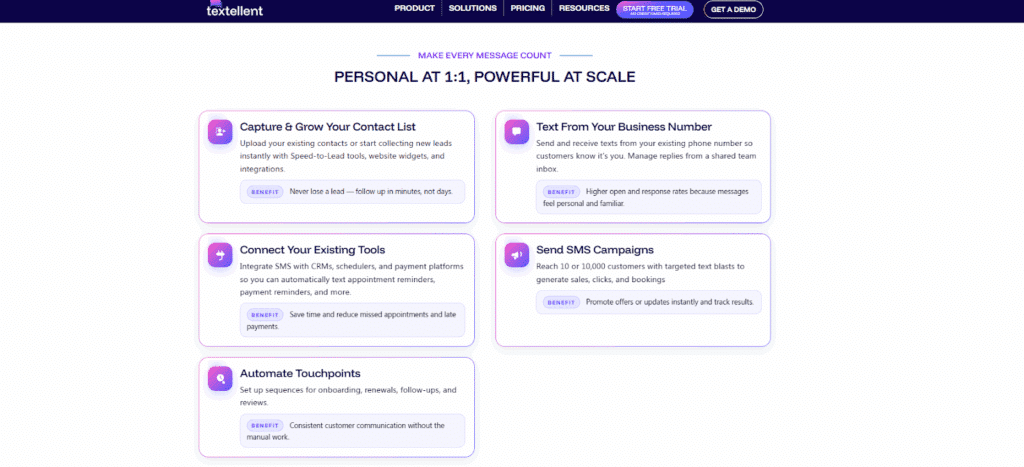
If staff use canned responses or templates, it is easier to respond quickly and keep answers consistent when guests ask common questions.
Staff can also use available customer data to adjust messages based on the guest’s stay, which helps make each reply more relevant.
If a guest prefers another language, multilingual support helps keep communication simple. An AI-powered rewrite can also help staff adjust tone or wording when needed.
With everything in one place, teams can stay on top of conversations and focus more on guests instead of managing messages. At the same time, strong data security keeps guest details protected.
Without increasing staff workload, Textellent becomes an invaluable tool for hotels seeking faster replies, improved organization, and a more seamless guest experience that leads to happier guests.
Start Managing Guest Messages Better With Textellent
Guest communication shapes the entire stay. When replies are slow or missed, guests notice. It affects how they see the service and whether they come back.
Hotel teams do not need more channels. They need a better way to manage conversations. That is where messaging helps.
When messaging is simple, staff can focus on helping guests instead of chasing updates.
This is where Textellent fits in. It helps hotel teams deal with daily texts, answer them faster, and keep all conversations with guests in one place without putting more stress on the team.
In the end, better communication leads to better service. And better service is what keeps guests coming back.

If you want a simpler way to manage guest messages and respond faster, try Textellent. Sign up for a free trial or request a demo consultation today!
FAQs About Hotel Guest Messaging
Can a hotel chatbot replace staff for guest communication?
A hotel chatbot can help with easy things like giving out basic information or answering frequently asked questions. It works well for quick replies during busy hours.
It won’t replace your team. Guests still want a human response when things get more specific or personal. Think of it as support for staff, not something that replaces them.
How are generative AI agents used in guest messaging?
Generative AI agents are starting to help hotels handle replies faster. They can make suggestions for responses, change the tone of messages, or assist staff in writing clearer responses.
It’s also worth noting that these tools work best as support. Staff still review messages to make sure responses match the situation and guest expectations.
What do industry experts say about guest messaging in hotels?
Many industry experts point out that guest messaging is now part of daily hotel operations. Guests don’t want to wait around for a reply, especially during their stay.
Because its strength is speed and simplicity, messaging allows hotels to remain responsive without putting additional strain on staff. It also helps keep communication consistent from start to finish.
Can guest messaging help hotels increase revenue?
Guest messaging is not just about communication. It can also help hotels increase revenue in simple ways.
Staff, for example, can recommend upgrades, late check-out, or services to use during your stay. Small interactions can lead to increased revenue over time, especially when messages are timely and appropriate to the guest.

Get Started with Business Texting
Simple to launch, built to scale. Try Textellent FREE for 14 Days
Start Free Trial