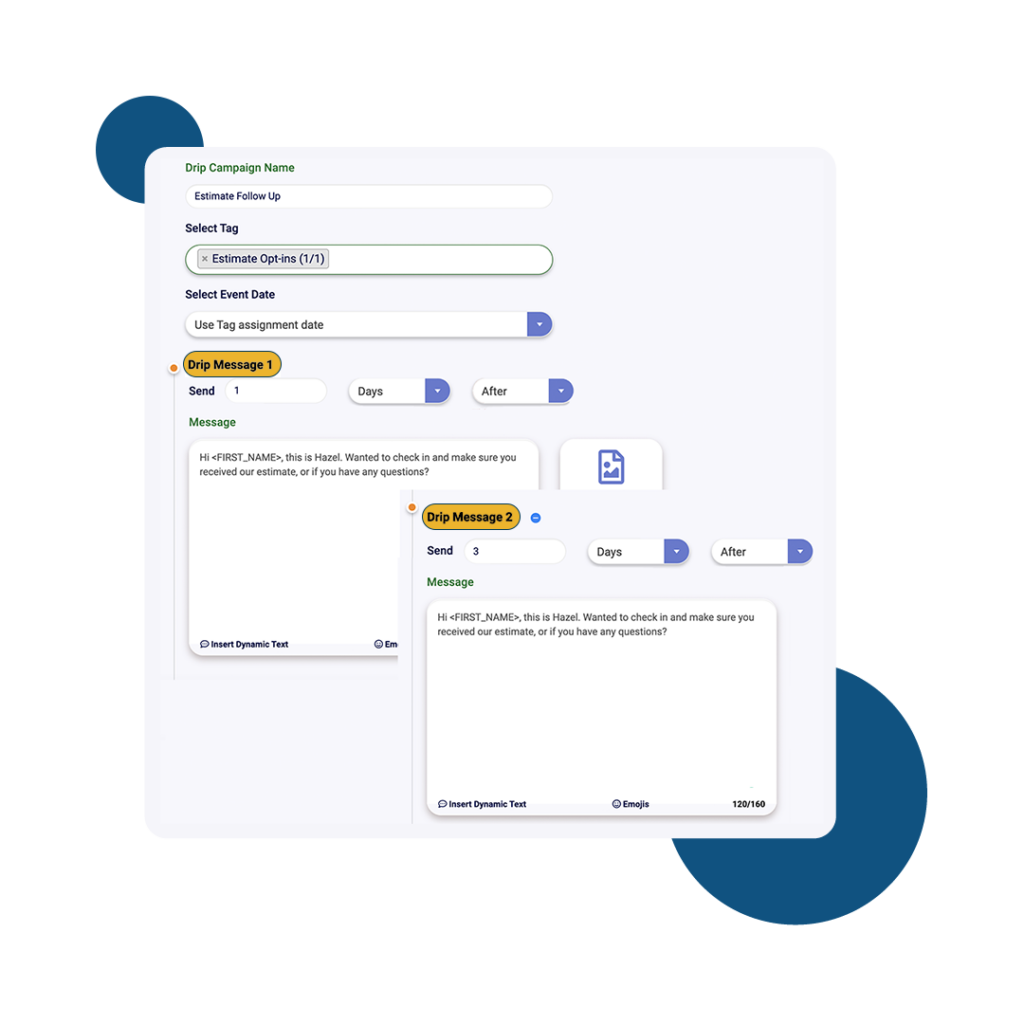
SMS opt-out gives people a simple way to stop receiving texts from a business while keeping the overall conversation framework clear and predictable. By offering an easy exit, it helps protect trust, manage message volume, and keep contact lists focused on people who still want to hear from you. This guide looks at how SMS opt-out operates in everyday workflows and when it makes the most sense to rely on it.
SMS opt-out is a process that lets people stop receiving text messages from a sender.
It gives recipients a clear way to withdraw permission for future SMS communication.
In practice, a user sends a specific reply like STOP or clicks an unsubscribe link that records their choice.
The messaging system then updates that phone number’s status and flags it as opted out.
This relies on accurate phone numbers, consent records, and rules that monitor incoming replies.
Automated checks compare each new outgoing message against the opt-out list before it is delivered.
As a result, people who have used SMS opt-out no longer receive unwanted texts.
This protects user preferences, supports compliance, and creates a more respectful messaging experience.
SMS Opt-Out: How It Works
SMS opt-out is especially valuable in high-frequency messaging environments such as appointment reminders, delivery updates, and promotional campaigns. It helps businesses avoid overwhelming customers who no longer need updates about a completed order, a closed support ticket, or a finished service. In practice, sms opt-out keeps contact lists cleaner, so teams spend less time troubleshooting complaints and more time communicating with people who actually want to hear from them. It also supports more accurate segmentation, since opted-in subscribers receive messages that feel more relevant to their current interests. By honoring opt-out requests quickly and clearly, businesses make sure their texting stays compliant, respectful, and focused on meaningful engagement.
98%
of texts are read immediately
70%
of consumers want to text businesses
40%
of consumers said they have tried to text a business
Best Practices for Using SMS Opt-Out
Effective use of SMS opt-out starts with treating every message as part of a clear, predictable experience.
Each campaign should use simple, consistent wording so recipients quickly recognize how to stop messages without hunting for instructions.
Short code replies like STOP or STOP2END should appear in natural language so they feel like part of the conversation rather than legal boilerplate.
In real scenarios, this means testing full sample conversations to confirm that opt-out language stays readable even when merged with appointment times, order numbers, or support details.
Teams should make sure that opt-out choices are processed quickly, with all systems that send SMS kept in sync so no one receives mixed signals.
Accuracy in contact data is critical, since a typo or duplicate record can cause messages to reach someone who already opted out.
A common mistake is hiding opt-out language in long promotional texts or using jokes and sarcasm that blur the meaning.
Another pitfall is inconsistent tone across departments, which can make responses to opt-out requests feel abrupt, defensive, or unprofessional.
When the tone remains calm, respectful, and straightforward, sms opt-out becomes a normal, trusted part of the overall messaging experience.
Everything You Need to Scale SMS
Read
Our Blog
14 Promotional Message Examples to Capture Customers
Keeping in touch with customers is essential for any business looking to succeed. One of...
The Textellent Messenger is a Chrome extension that lets your team text inside the apps you already use—no code, no tab-switching. View full conversation history, reuse approved templates and media, and keep replies organized in a shared inbox.
Textellent integrates with 800+ apps—CRMs, schedulers, forms, and payment platforms—so data flows in and texts go out at the perfect moment. Map fields once, tag contacts consistently, and keep systems in sync.
Turn common events into automatic SMS touchpoints: new leads, appointments, payments, status changes, and more. Build simple, rules-based flows that send the right text and follow-ups without manual work.
The Franchisor Module gives franchisors clear visibility across locations while empowering franchisees to execute consistent, on-brand texting that drives growth. Scale what works and spot where support is needed—fast.
Keep conversations moving on the go. The Textellent Mobile app brings your shared inbox to iOS & Android with real-time push notifications, quick-reply templates and media, conversation assignment, and full sync to your CRM—so nothing slips through when you’re away from your desk.