Business SMS has quickly become one of the most reliable and effective ways for companies to communicate with customers. With near-instant delivery, high open rates, and universal accessibility, texting offers a level of convenience that email and phone calls can’t match.Businesses use SMS to confirm appointments, follow up with leads, send updates, share promotions, and provide fast customer support, all from a dedicated business number.Unlike personal texting, Business SMS is built for scale. It includes tools for automation, templates, reporting, and compliance to ensure messages are timely, consistent, and legally sound.This guide covers the basics of how business SMS works, why it’s valuable, and what businesses should know before getting started.
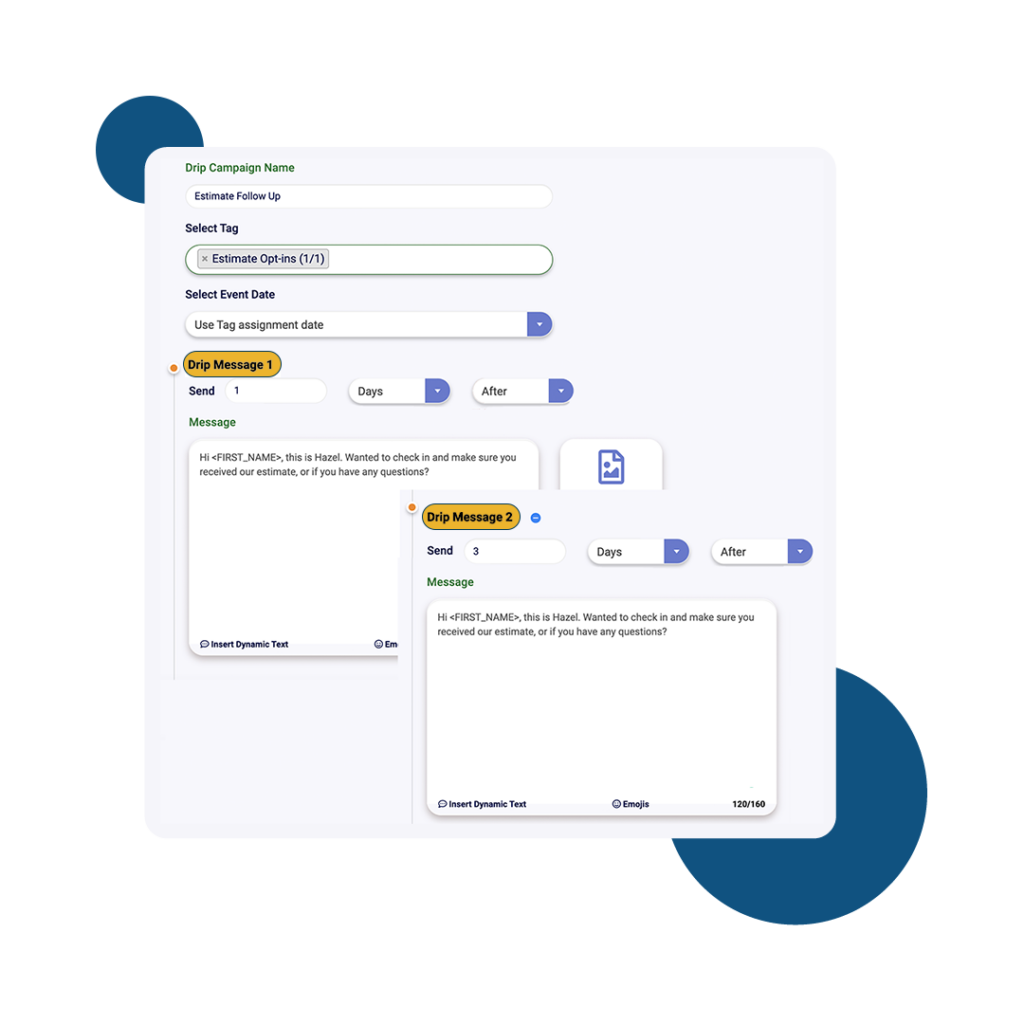
SMS merge fields are placeholders within a message template that pull information directly from a contact record.
When the message is sent, each placeholder is replaced with the correct value for that individual customer.
This can include details such as a name, appointment time, location, account information, or any other stored data.
The concept is simple: rather than manually creating separate messages for each recipient, merge fields automatically adapt a single template so that every person receives a message tailored specifically to them.
This approach supports both efficiency and personalization. It helps maintain consistency across communications while reducing the burden of manual editing.
If a particular piece of information is missing for a recipient, most systems allow fallback values to make sure messages still read naturally.
When Should You Use SMS Merge Fields?
Merge fields are particularly useful when personalization reinforces clarity or improves engagement.For example, they can make appointment reminders more accurate, help lead follow-up messages feel more conversational, or provide context in operational notifications such as billing updates or status confirmations.Personalization also fosters trust, as recipients can clearly see that the message is tailored to them. The key is to use merge fields in a way that enhances the message without overwhelming it.A small amount of personalization can make automated communication feel thoughtful and relevant, whereas excessive variable use may come across as formulaic or confusing.
98%
of texts are read immediately
70%
of consumers want to text businesses
40%
of consumers said they have tried to text a business
Best Practices for Using SMS Merge Fields
Using merge fields effectively requires a balance between personalization and clarity. The strongest messages feel human and intentional, not mechanical or overloaded with variables.
A good approach is to include only the details that genuinely improve relevance, such as a customer’s name or a specific appointment time, rather than trying to personalize every part of the message.
The wording around a merge field should sound natural once the actual value is inserted, so testing a few examples before sending can help ensure the final result reads smoothly.
Data quality is also essential. Merge fields depend entirely on the accuracy of the information stored in your system, so outdated or inconsistent data can lead to confusing or incorrect messages.
Keeping your contact records organized and regularly updated helps maintain a high level of personalization without risking errors.
It’s also helpful to establish a consistent tone and writing style so that personalized messages maintain your brand voice even when sent automatically.
When used thoughtfully, merge fields enhance clarity, increase engagement, and make automated messaging feel more intentional and trustworthy.
Everything You Need to Scale SMS
Read
Our Blog
March 4, 2026
70+ Common Text Abbreviations and How to Use Them Right
Text abbreviations have become a natural part of how we communicate in digital spaces and real-life conversations. As…
The Textellent Messenger is a Chrome extension that lets your team text inside the apps you already use—no code, no tab-switching. View full conversation history, reuse approved templates and media, and keep replies organized in a shared inbox.
Textellent integrates with 800+ apps—CRMs, schedulers, forms, and payment platforms—so data flows in and texts go out at the perfect moment. Map fields once, tag contacts consistently, and keep systems in sync.
Turn common events into automatic SMS touchpoints: new leads, appointments, payments, status changes, and more. Build simple, rules-based flows that send the right text and follow-ups without manual work.
The Franchisor Module gives franchisors clear visibility across locations while empowering franchisees to execute consistent, on-brand texting that drives growth. Scale what works and spot where support is needed—fast.
Keep conversations moving on the go. The Textellent Mobile app brings your shared inbox to iOS & Android with real-time push notifications, quick-reply templates and media, conversation assignment, and full sync to your CRM—so nothing slips through when you’re away from your desk.
Yes. Textellent allows you to insert merge fields into templates, reminders, follow-ups, and automated campaigns so each message includes personalized details without manual editing.
What happens if a merge field is missing data for a recipient?+
If the system does not find a value for a specific merge field, it will usually substitute a fallback option or omit the variable to prevent incomplete or awkward messages. This ensures the final message still reads naturally.
Can merge fields be used in automated or scheduled SMS messages?+
Yes. Merge fields work within automated workflows, scheduled campaigns, and recurring messages. The system fills in the appropriate values at the time each message is sent, allowing personalization at scale.
Do SMS merge fields impact message deliverability or compliance?+
No. Merge fields do not affect deliverability or compliance as long as the overall message adheres to carrier rules and SMS regulations. The personalization simply replaces placeholder text and does not change how the message routes through carriers.