Scheduler triggers help businesses send SMS at the right moment so customers get timely, relevant information without someone watching the clock. They link text messages to specific times or events in your systems, keeping communication predictable instead of ad hoc. This guide introduces how scheduler triggers fit into everyday texting workflows and when they make sense to use.
Scheduler triggers are automated rules that start an SMS at a specific time or after a certain condition is met.
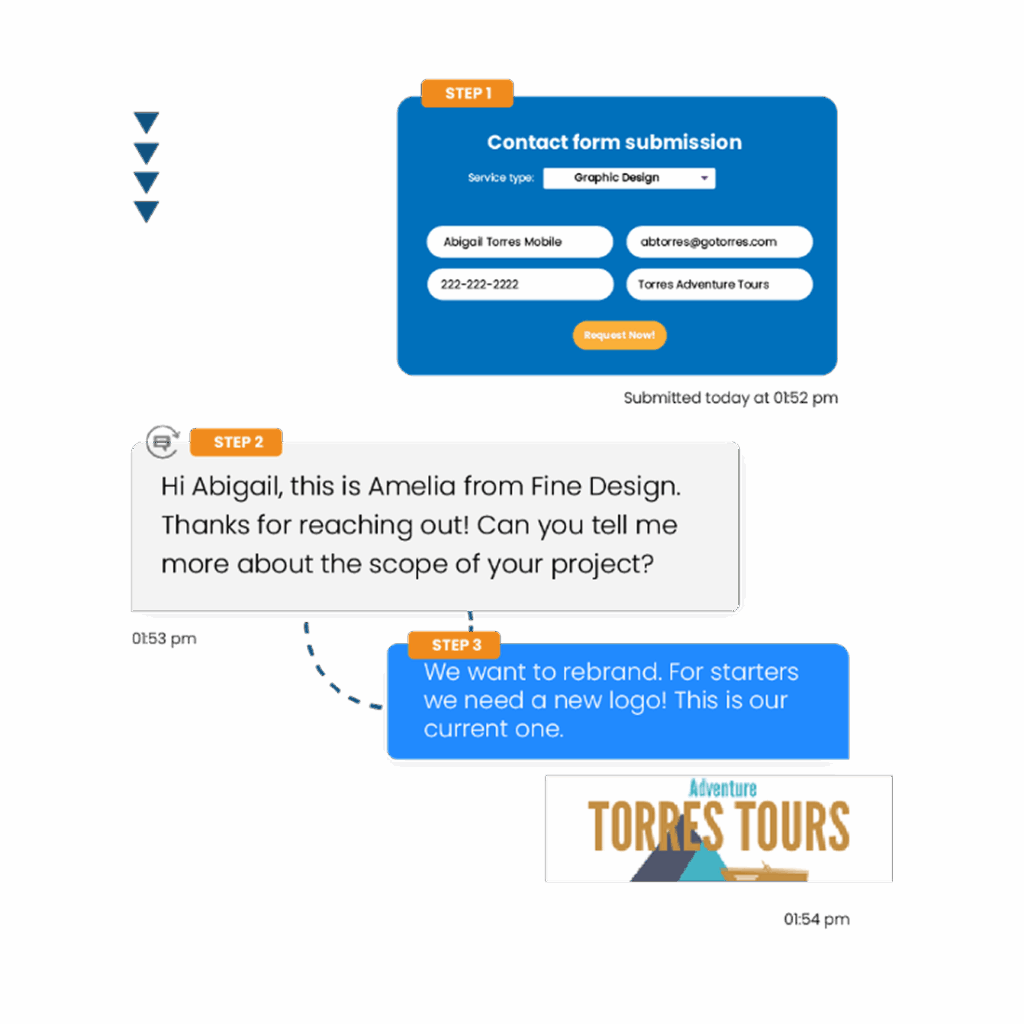
They work in the background, watching for events like a new signup, an upcoming appointment, or a follow-up date, then send the right text without manual work.
They depend on accurate timing data, contact details, event records, and any filters you set, such as customer type or status.
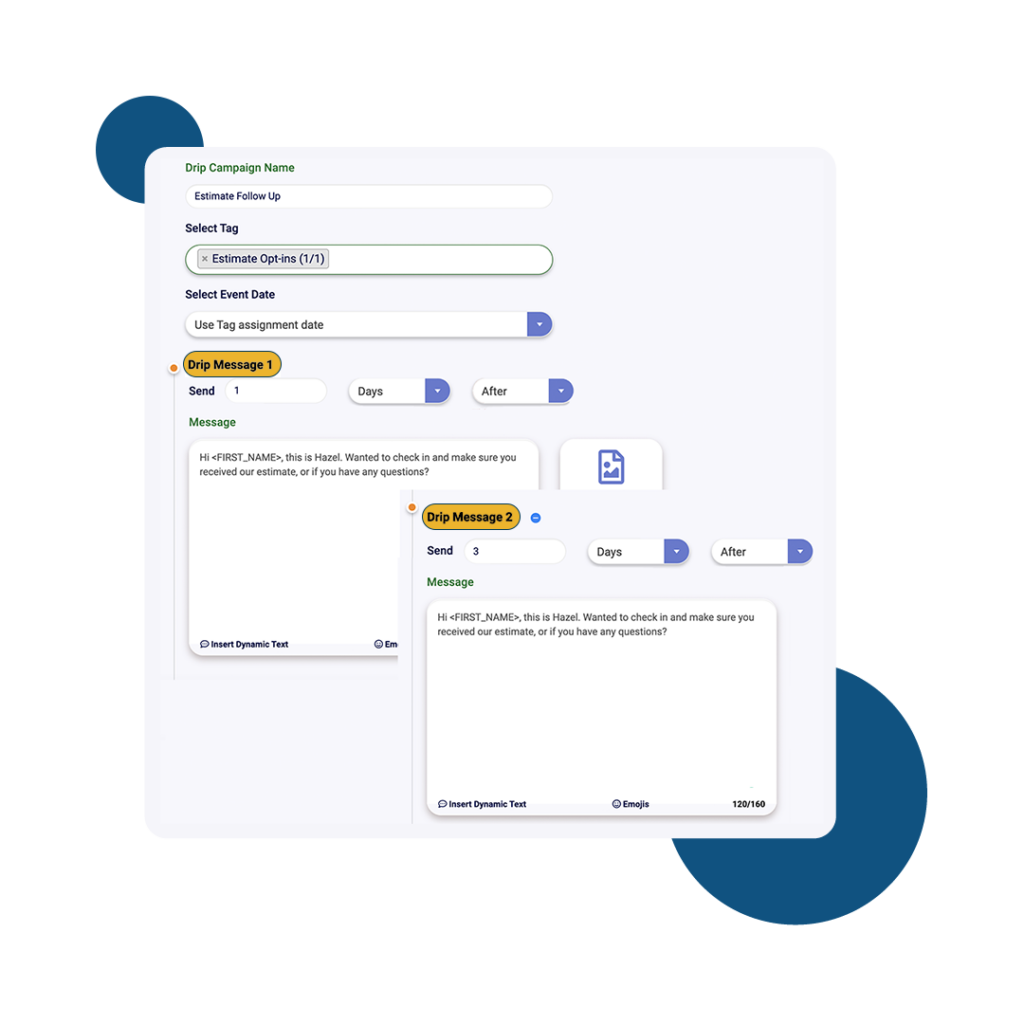
When the trigger conditions match, the system queues and sends the SMS using your chosen template, timing, and sending number.
This directly shapes the final message experience by delivering texts at predictable, relevant moments instead of random times.
Used well, scheduler triggers keep communication steady, reduce delays, and make sure people receive messages exactly when they are most useful.
Scheduler Triggers That Link Appointments to Timely Messaging
Scheduler triggers are especially useful when teams manage high volumes of appointments and need consistent communication without constant manual checking. They keep confirmations, reminders, and follow-ups aligned with each booking so customers receive the right message at the right point in their journey, such as a reminder the day before or a feedback request after service. This level of timing supports clarity because people are less likely to miss appointments, misunderstand instructions, or overlook preparation details. It also improves efficiency by reducing phone tag and inbound questions, freeing staff to focus on in-person service instead of repetitive texting. Because messages are linked to specific appointment data, scheduler triggers support personalized details while still following company rules for consent, content, and frequency.
98%
of texts are read immediately
70%
of consumers want to text businesses
40%
of consumers said they have tried to text a business
Scheduler Triggers Best Practices
Using scheduler triggers effectively starts with a clear map of your customer journeys and internal processes.
Each trigger should align with a specific moment that genuinely needs an SMS, such as a gentle reminder before an internal review or a status update after a service milestone.
Consistent tone is vital, so write templates that sound like a calm, informed human, and keep that style across all triggered flows.
Short, direct sentences reduce confusion, especially when people are reading quickly on their phones.
Data accuracy supports reliable timing, so make sure the source system that feeds your scheduler triggers has clean dates, time zones, and contact preferences.
Before enabling a new rule, run test messages using real but internal data to confirm that the timing, content, and sender information all look professional.
Avoid stacking multiple triggers on the same event, which can lead to duplicate or conflicting SMS.
Regular reviews of logs, replies, and opt-outs help you adjust rules so your automated messaging stays respectful, predictable, and operationally consistent.
Everything You Need to Scale SMS
Read
Our Blog
14 Promotional Message Examples to Capture Customers
Keeping in touch with customers is essential for any business looking to succeed. One of...
The Textellent Messenger is a Chrome extension that lets your team text inside the apps you already use—no code, no tab-switching. View full conversation history, reuse approved templates and media, and keep replies organized in a shared inbox.
Textellent integrates with 800+ apps—CRMs, schedulers, forms, and payment platforms—so data flows in and texts go out at the perfect moment. Map fields once, tag contacts consistently, and keep systems in sync.
Turn common events into automatic SMS touchpoints: new leads, appointments, payments, status changes, and more. Build simple, rules-based flows that send the right text and follow-ups without manual work.
The Franchisor Module gives franchisors clear visibility across locations while empowering franchisees to execute consistent, on-brand texting that drives growth. Scale what works and spot where support is needed—fast.
Keep conversations moving on the go. The Textellent Mobile app brings your shared inbox to iOS & Android with real-time push notifications, quick-reply templates and media, conversation assignment, and full sync to your CRM—so nothing slips through when you’re away from your desk.