Scheduled SMS helps businesses plan texts in advance so messages arrive at the moment they are most useful, rather than when someone has time to hit send. It supports simple, predictable communication for things like reminders, notices, or updates, making sure timing fits real customer routines instead of internal schedules. This guide outlines how scheduled SMS works in a typical business texting setup and when it makes practical sense to use it.
Scheduled SMS is a feature that lets you create a text message now and set it to send automatically at a specific future date and time.
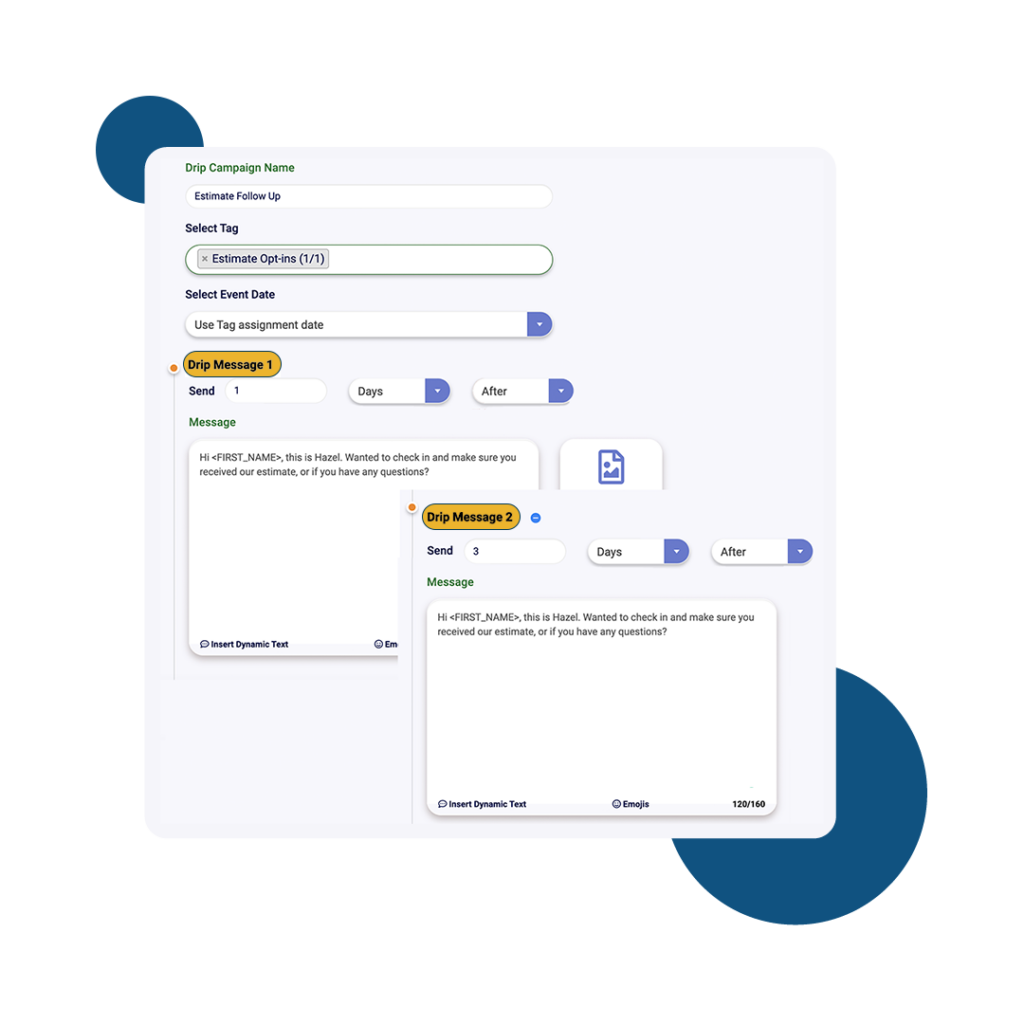
It works by storing your message content, recipient details, and chosen schedule in the system, which then delivers the SMS through the usual mobile networks when the time arrives.
The process depends on accurate contact numbers, time zone settings, and any sending rules your platform uses, such as quiet hours or compliance limits.
Once scheduled, the message sits in a queue, where you can often edit, reschedule, or cancel it before it is sent.
Scheduled SMS improves the user experience by keeping communication timely and consistent without requiring you to be online or available at the exact sending moment.
When Should You Use Scheduled SMS?
Scheduled SMS is especially useful when timing impacts how a message is received, such as appointment reminders that must arrive a day or hour before the visit. It helps teams coordinate across time zones, so international customers get updates during local business hours instead of late at night. Marketing and promotional campaigns benefit as well, since you can plan seasonal or limited-time messages in advance and keep them aligned with inventory or service capacity. Operational teams rely on it for routine notices like billing alerts or renewal nudges, which improves consistency, keeps records clear, and reduces last-minute manual sending. By planning ahead, you make sure communication feels organized, relevant, and respectful of customer preferences and regulations.
98%
of texts are read immediately
70%
of consumers want to text businesses
40%
of consumers said they have tried to text a business
Best Practices for Using Scheduled SMS
Using scheduled SMS effectively starts with choosing timing that matches how people actually interact with your business, not just what suits your internal schedule.
Think about when a message will be most helpful, such as sending reminders with enough notice to act, and make sure your timing respects local hours and any quiet-time expectations.
Clarity is essential, so each scheduled SMS should stand on its own, explaining who is contacting the recipient, why, and what the key details are, without relying on previous conversations.
Keep the tone consistent with your brand voice even when messages go out automatically, so customers do not feel they are receiving random or robotic notifications.
Data accuracy is critical, since mistakes in contact fields, time zones, or content variables can turn a helpful reminder into a confusing or even non-compliant message.
Avoid common pitfalls like scheduling too many follow-ups, forgetting to cancel outdated reminders, or sending time-sensitive offers after they are no longer valid.
Regularly reviewing templates, schedules, and results helps keep your automated communication reliable, professional, and easy for teams to manage over time.
Everything You Need to Scale SMS
Read
Our Blog
14 Promotional Message Examples to Capture Customers
Keeping in touch with customers is essential for any business looking to succeed. One of...
The Textellent Messenger is a Chrome extension that lets your team text inside the apps you already use—no code, no tab-switching. View full conversation history, reuse approved templates and media, and keep replies organized in a shared inbox.
Textellent integrates with 800+ apps—CRMs, schedulers, forms, and payment platforms—so data flows in and texts go out at the perfect moment. Map fields once, tag contacts consistently, and keep systems in sync.
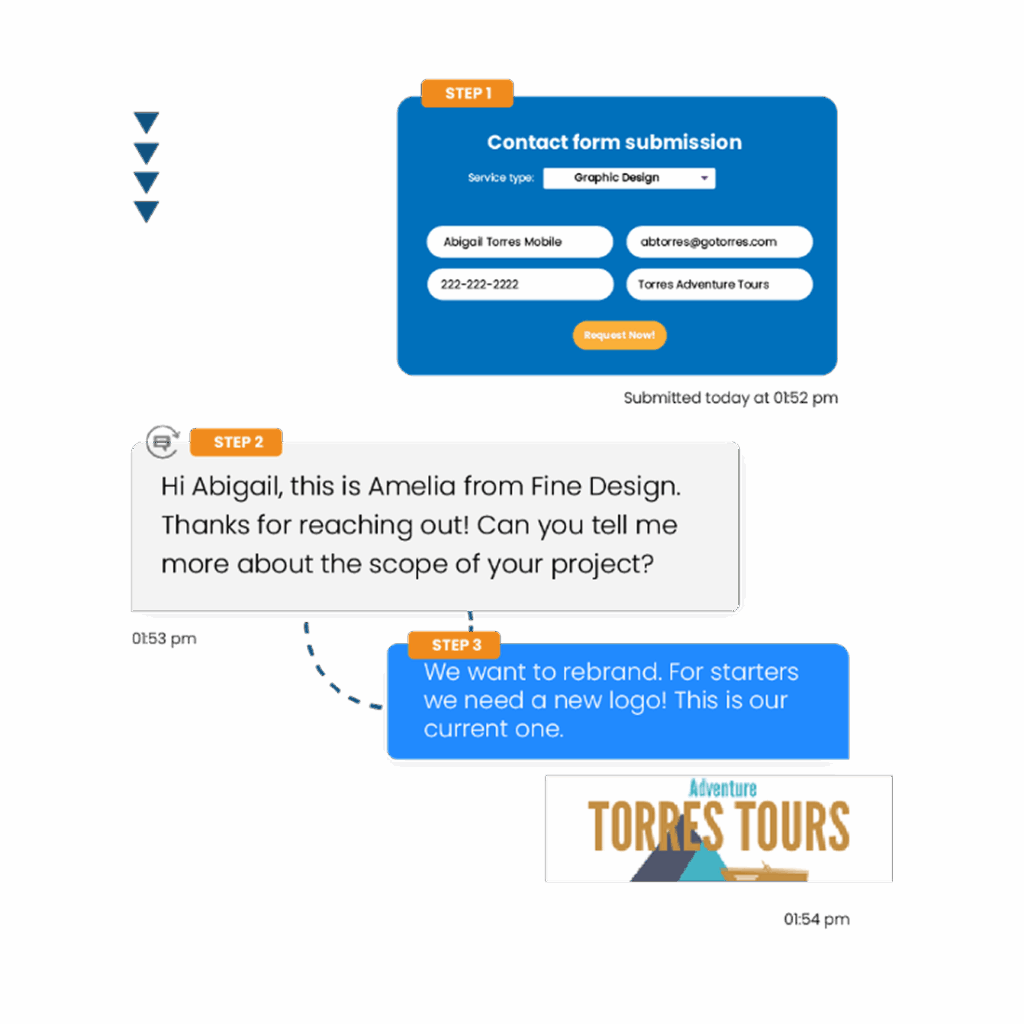
Turn common events into automatic SMS touchpoints: new leads, appointments, payments, status changes, and more. Build simple, rules-based flows that send the right text and follow-ups without manual work.
The Franchisor Module gives franchisors clear visibility across locations while empowering franchisees to execute consistent, on-brand texting that drives growth. Scale what works and spot where support is needed—fast.
Keep conversations moving on the go. The Textellent Mobile app brings your shared inbox to iOS & Android with real-time push notifications, quick-reply templates and media, conversation assignment, and full sync to your CRM—so nothing slips through when you’re away from your desk.