
Reducing SMS message fatigue

Reducing SMS message fatigue helps businesses send fewer, more useful SMS so customers do not feel bombarded or tune messages out. It focuses on making each SMS feel timely, relevant, and easy to understand, instead of just adding to the noise of constant notifications. This guide outlines how reducing SMS message fatigue works in everyday workflows and when it is most effective in a broader messaging strategy.

Reducing SMS Message Fatigue: The Basics

Reducing SMS message fatigue refers to limiting how often subscribers receive texts so they do not feel overwhelmed or annoyed.

It focuses on controlling frequency, timing, and relevance so each message feels useful rather than repetitive noise.

In practice, reducing SMS message fatigue works by setting rules that cap daily or weekly sends, spacing campaigns, and avoiding back-to-back promotions.

The process relies on engagement data, opt-in preferences, send history, and response patterns to decide when and how often to contact someone.

Some systems also use quiet hours, suppression windows, and audience filters so people are not hit with multiple texts in a short period.

By reducing SMS message fatigue, brands keep messages welcome, protect deliverability, and make sure each text feels considered instead of intrusive.

Understanding and Reducing SMS Message Fatigue

Understanding and reducing SMS message fatigue is especially helpful for businesses that rely on frequent touchpoints, such as retail brands running flash sales or clinics sending regular appointment notices. In these situations, it helps teams decide which updates truly need a text and which can move to email or in-app messages instead. This approach improves clarity because subscribers receive fewer overlapping or confusing alerts and can more easily see what needs attention. It also supports efficiency by cutting low-value sends, so operational alerts, transactional codes, and time-sensitive notices stand out in the inbox. Careful planning around reducing SMS message fatigue makes communication feel more respectful and personalized, which supports long-term engagement and strengthens overall messaging quality.

98%

of texts are read immediately

70%

of consumers want to text businesses

40%

of consumers said they have tried to text a business

Preventing SMS Message Fatigue With Best Practices

Reducing SMS message fatigue becomes practical when teams map real conversation flows and decide where a text genuinely helps customers move forward.

In a delivery journey, for instance, one concise SMS when an order ships and another when it is out for delivery is usually clearer than multiple small status nudges that feel like noise.

Clarity comes from writing each message so the main point, action, and timing are obvious without extra jargon or filler.

A reliable and professional tone uses neutral, respectful language that is consistent across marketing, reminders, and service alerts, regardless of who on the team writes the SMS.

Data accuracy matters because sending outdated offers, cancelled appointment reminders, or duplicate confirmations quickly erodes trust and makes people ignore future texts.

Operational consistency means aligning your CRM segments, content templates, and opt-out handling so every campaign respects preferences and past interactions.

Common mistakes include stacking promotional SMS right after transactional alerts, sending at irregular hours, and reusing vague copy that does not clearly explain why the text was sent.

Everything You Need to Scale SMS

Read Our Blog

Sent as SMS: Meaning Behind the Delivery Switch

Sent as SMS: Meaning Behind the Delivery Switch

Explore the "sent as SMS" meaning and whether you should worry about it. Discover how Textellent can help…
Read More →
5 Best Text Recruiting Platforms for 2026

5 Best Text Recruiting Platforms for 2026

5 Best Text Recruiting Platforms for 2026: 1. Textellent 2. ICIMS Text Engagement 3. SenseHQ 4. Paradox 5.…

Read More →
What Is an SMS Campaign? A Guide to Effective Messaging

What Is an SMS Campaign? A Guide to Effective Messaging

What is an SMS campaign? Learn what makes SMS campaigns effective. Discover how Textellent can help you create…


Read More →

READ

OUR BLOG

A girl smiling

Sent as SMS: Meaning Behind the Delivery Switch

Explore the "sent as SMS" meaning and whether you should worry about it. Discover how Textellent can help with server-based messaging.
Texting platforms for recruiting featured image

5 Best Text Recruiting Platforms for 2026

5 Best Text Recruiting Platforms for 2026: 1. Textellent 2. ICIMS Text Engagement 3. SenseHQ 4. Paradox 5. Jobvite Text.
Marketing colleagues creating an SMS campaign

What Is an SMS Campaign? A Guide to Effective Messaging

What is an SMS campaign? Learn what makes SMS campaigns effective. Discover how Textellent can help you create data-driven SMS campaigns.

Everything You Need to Text at Scale

  • Textellent Messenger

    The Textellent Messenger is a Chrome extension that lets your team text inside the apps you already use—no code, no tab-switching. View full conversation history, reuse approved templates and media, and keep replies organized in a shared inbox.

    Learn More >
  • Integrate SMS

    Textellent integrates with 800+ apps—CRMs, schedulers, forms, and payment platforms—so data flows in and texts go out at the perfect moment. Map fields once, tag contacts consistently, and keep systems in sync.

    Learn More >
  • Automations

    Turn common events into automatic SMS touchpoints: new leads, appointments, payments, status changes, and more. Build simple, rules-based flows that send the right text and follow-ups without manual work.

    Learn More >
  • Franchisor Module

    The Franchisor Module gives franchisors clear visibility across locations while empowering franchisees to execute consistent, on-brand texting that drives growth. Scale what works and spot where support is needed—fast.

    Learn More >
  • AI Rewriter & Translate

    Instantly polish your texts and translate them into different languages, making communication faster and more accessible.

    Learn More >
  • Mobile App

    Keep conversations moving on the go. The Textellent Mobile app brings your shared inbox to iOS & Android with real-time push notifications, quick-reply templates and media, conversation assignment, and full sync to your CRM—so nothing slips through when you’re away from your desk.

    Learn More >

Get Started with Business Texting

FAQs About Reducing SMS Message Fatigue

How does Textellent handle reducing SMS message fatigue?
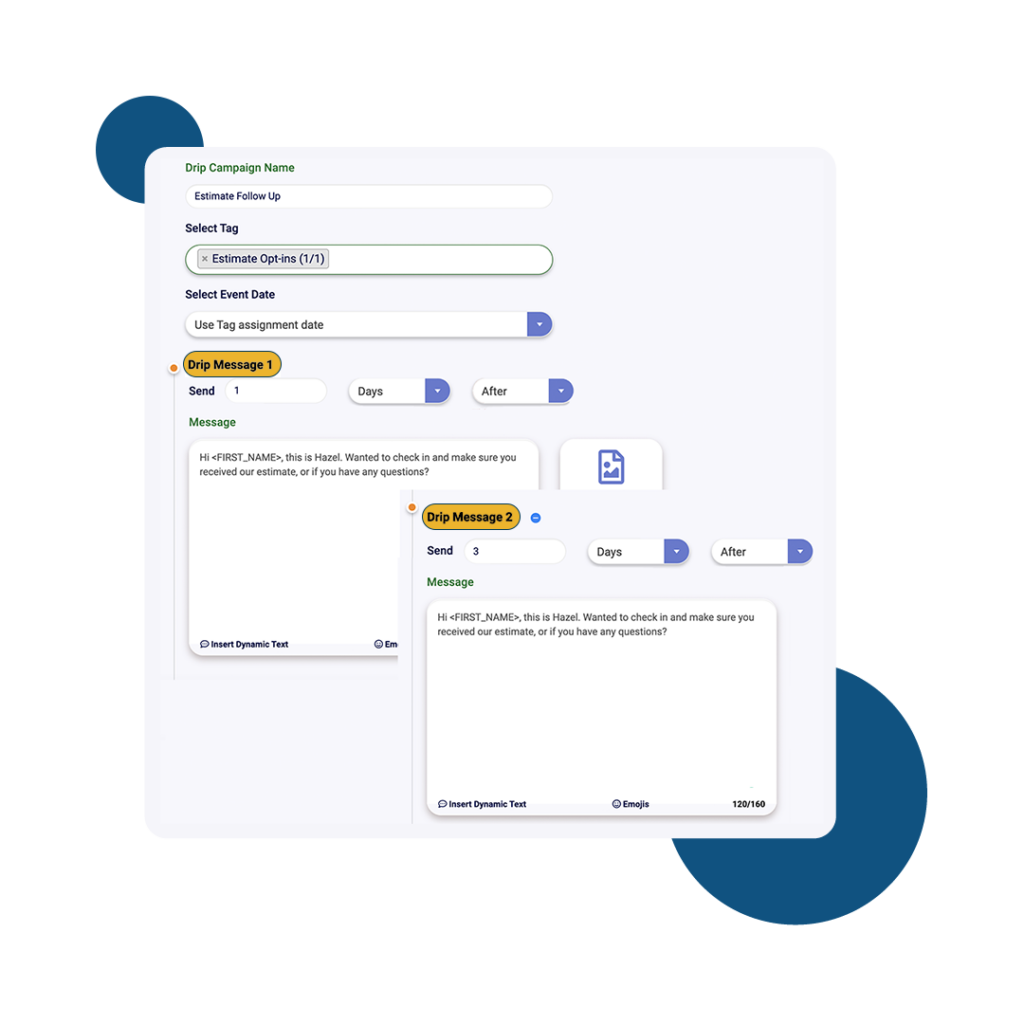
Textellent supports reducing SMS message fatigue by timing outreach with automated drip campaigns, reminders, and follow-ups that match customer actions instead of sending random blasts. It uses templates, merge fields, and synchronized CRM data to keep each SMS relevant and concise. It also applies opt-in, opt-out, consent tracking, and quiet hours to make sure customers are not overwhelmed.
How often should businesses send SMS messages to customers? +
Businesses should typically send SMS no more than a few times per week, tailored to customer preferences and lifecycle. Limiting messages to key updates and genuinely relevant offers supports reducing SMS message fatigue. Clear opt-in choices and frequency controls make sure customers stay engaged without feeling overwhelmed.
What are best practices for reducing SMS message fatigue? +
Reducing SMS message fatigue starts with sending only timely, relevant texts that reflect the subscriber's stated preferences. Brands should control frequency, avoid repetitive content, and make sure opt-out options are simple and honored quickly. Strong segmentation using CRM data and testing different cadences helps keep SMS communication welcome instead of overwhelming.
How can businesses identify signs of SMS message fatigue? +
Businesses can spot early signs of Reducing SMS message fatigue by tracking rising unsubscribe rates and declining click-throughs. They should watch for lower reply volumes, more spam complaints, and customers opting out of specific topics. They can also monitor survey feedback that mentions annoyance, repetition, or lack of relevance in SMS campaigns.