Outbound message queuing logic issues affect how business texting systems line up, schedule, and release outgoing SMS so conversations stay orderly and relevant for each recipient. They shape when and in what sequence messages leave the queue, helping support clear timelines for confirmations, alerts, and follow-ups without overwhelming customers. This guide outlines how these issues affect real-world workflows, and when paying attention to queuing logic makes sure your texting behaves predictably at scale.
Outbound message queuing logic issues occur when the system that lines up and schedules outgoing texts does not correctly manage the order, timing, or conditions for sending.
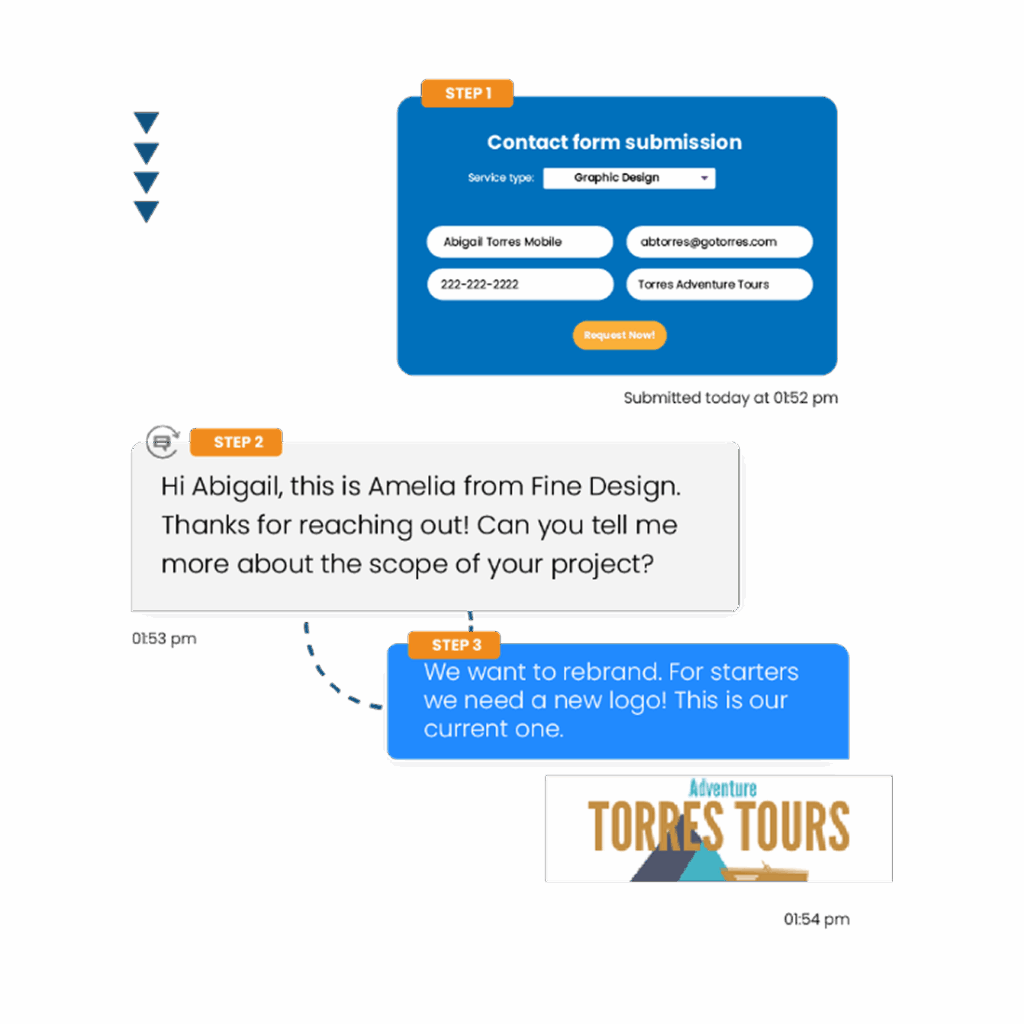
These issues appear inside the SMS workflow that decides which messages enter the queue, how they are prioritized, and when they are released to carriers.
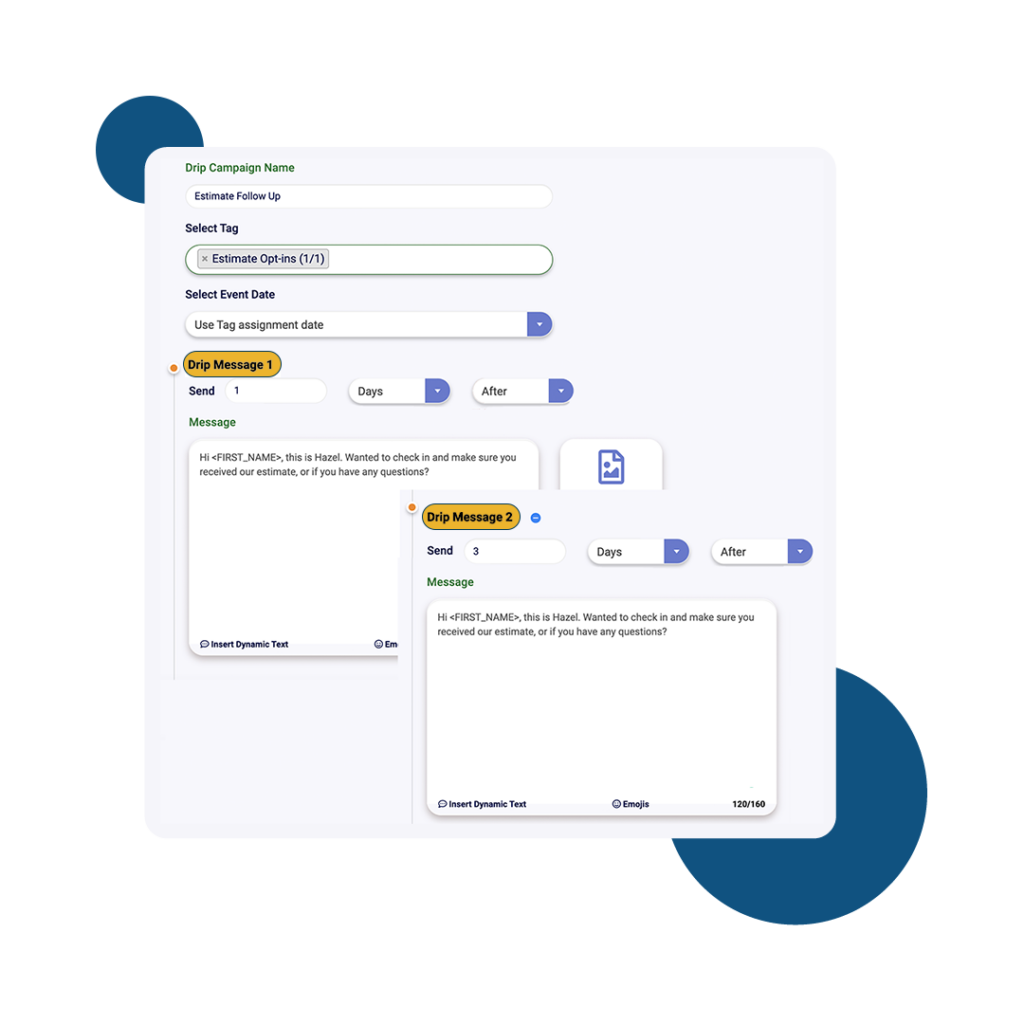
The queuing logic depends on triggers like user actions or automations, recipient preferences, rate limits, throttling rules, and responses from carriers about delivery status or failures.
It also relies on message metadata such as timestamps, campaign rules, time zones, and quiet hours to decide whether to send, delay, or cancel a text.
When outbound message queuing logic issues occur, customers might receive texts late, out of order, duplicated, or not at all, which weakens clarity, trust, and overall experience.
Why Outbound Messages Get Stuck in Queue and How to Clear Them
Outbound message queuing logic issues are especially important to understand in high-volume scenarios where multiple teams or systems send SMS at the same time. They often surface in campaign launches, product drops, or emergency notifications when large batches of messages compete for limited throughput and strict quiet-hour rules. By monitoring how messages enter and exit the queue, businesses can keep order-based conversations intact, so confirmations, alerts, and replies appear in a sequence that makes sense to the recipient. This clarity prevents confusion, reduces support tickets, and keeps sensitive content like billing or security codes from arriving at inappropriate times. Careful queue management also supports compliance with local regulations and opt-out requirements, while still allowing relevant, timely, and contextual personalization.
98%
of texts are read immediately
70%
of consumers want to text businesses
40%
of consumers said they have tried to text a business
Outbound Message Queuing Best Practices
Outbound message queuing works best when you treat it as part of the overall conversation, not just a technical step that fires off SMS in bulk.
In practice, that means aligning queue rules with real customer journeys, such as sending order updates only after the related status change is confirmed in your CRM and avoiding simultaneous messages from different teams that could overlap or contradict each other.
Queue logic should reflect your brand’s tone and priorities, so urgent alerts and time-sensitive codes move ahead of lower-value promotions, while still respecting quiet hours and local time zones.
Data accuracy is critical, because incorrect timestamps, wrong country codes, or missing opt-out flags can cause messages to leave the queue at the wrong time or violate expectations.
Make sure your team reviews message content and templates alongside queue rules, so delivery timing, wording, and frequency feel coherent and professional.
Common pitfalls include ignoring carrier feedback, failing to pause queues during outages, and letting multiple systems write to the same queue without clear ownership, all of which can erode trust and consistency.
Everything You Need to Scale SMS
Read
Our Blog
14 Promotional Message Examples to Capture Customers
Keeping in touch with customers is essential for any business looking to succeed. One of...
The Textellent Messenger is a Chrome extension that lets your team text inside the apps you already use—no code, no tab-switching. View full conversation history, reuse approved templates and media, and keep replies organized in a shared inbox.
Textellent integrates with 800+ apps—CRMs, schedulers, forms, and payment platforms—so data flows in and texts go out at the perfect moment. Map fields once, tag contacts consistently, and keep systems in sync.
Turn common events into automatic SMS touchpoints: new leads, appointments, payments, status changes, and more. Build simple, rules-based flows that send the right text and follow-ups without manual work.
The Franchisor Module gives franchisors clear visibility across locations while empowering franchisees to execute consistent, on-brand texting that drives growth. Scale what works and spot where support is needed—fast.
Keep conversations moving on the go. The Textellent Mobile app brings your shared inbox to iOS & Android with real-time push notifications, quick-reply templates and media, conversation assignment, and full sync to your CRM—so nothing slips through when you’re away from your desk.