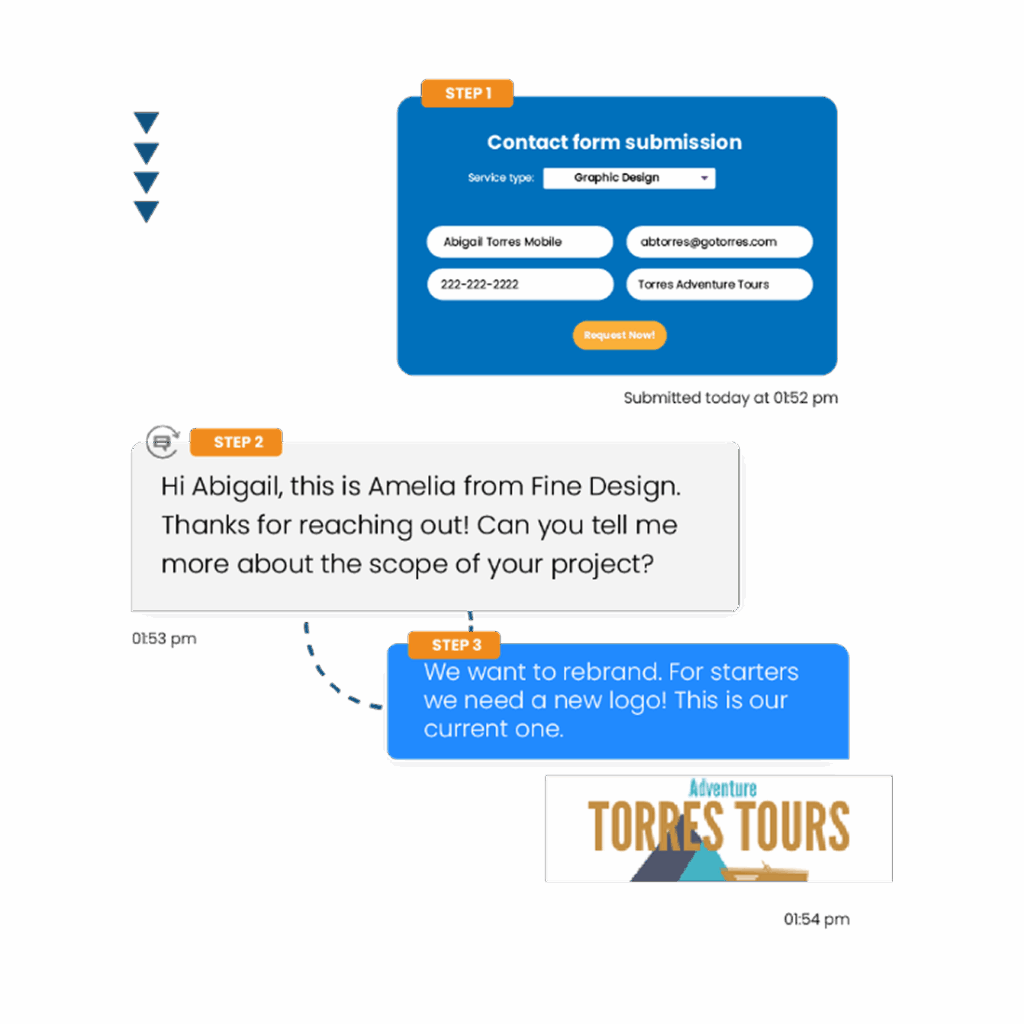
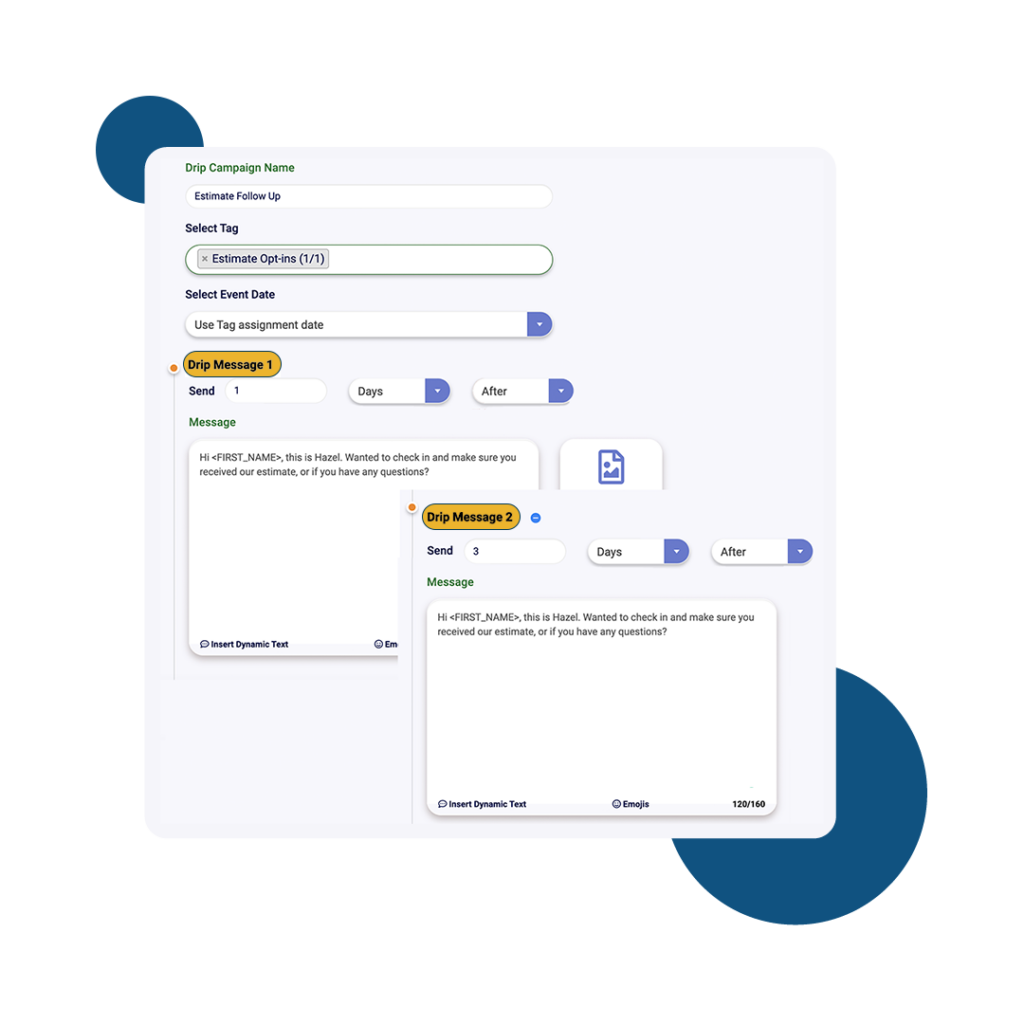
Number pooling helps businesses send large volumes of SMS without relying on a single phone number, reducing the risk of slow delivery or carrier blocking. By rotating messages across a shared set of numbers, it keeps conversations running smoothly while customers still experience a stable, recognizable messaging experience. This guide outlines how number pooling fits into everyday SMS programs and when it makes practical sense to use it.
Number pooling is a method where a group of phone numbers is shared across many SMS messages instead of assigning a single number to all traffic.
It rotates messages through that pool so no single number carries the entire sending load.
The system depends on routing rules, carrier requirements, sending volume, and sometimes geographic or brand data to decide which number to use.
It also tracks sender IDs and reply paths so responses from customers are correctly matched back to the right conversation.
By spreading traffic across several numbers, number pooling supports higher throughput, protects numbers from being flagged too quickly, and keeps delivery more reliable.
For the end user, it usually feels seamless, with messages arriving consistently while the technical distribution happens in the background.
How Number Pooling Expands Message Capacity
Number pooling is especially useful when different teams or locations need to send SMS at the same time without creating bottlenecks. It keeps high volume programs like flash sales, product launches, or seasonal campaigns flowing smoothly so customers receive messages close to real time instead of in delayed batches. Support and operations teams benefit too, because number pooling can assign consistent reply paths, making it easier to track ongoing conversations and avoid crossed threads. It also improves compliance by spreading traffic so carriers see healthy, balanced usage rather than sudden spikes that might trigger filters. In daily practice, number pooling supports cleaner logs, faster response handling, and more dependable messaging for both short-term spikes and steady, ongoing traffic.
98%
of texts are read immediately
70%
of consumers want to text businesses
40%
of consumers said they have tried to text a business
Number Pooling Best Practices
Number pooling works best when it is guided by clear rules about who uses which numbers for which types of SMS.
Defining simple routing patterns, such as keeping one pool for alerts and another for marketing, helps conversations feel consistent to customers while still spreading traffic.
It is important that numbers in the same pool share a similar tone and style, so replies feel like part of a single brand rather than separate senders.
Teams should agree on wording standards, approval steps, and how often content is refreshed, so that pooled numbers never send conflicting or outdated messages.
Data accuracy in your CRM and other systems is critical, because routing and reply handling depend on correct customer records and up-to-date consent flags.
Common mistakes include mixing transactional and promotional traffic in one pool, rotating numbers too aggressively between related messages, or ignoring local regulations and carrier guidance.
Regular monitoring of delivery, complaints, and reply patterns helps keep number pooling reliable, professional, and aligned with your overall SMS strategy.
Everything You Need to Scale SMS
Read
Our Blog
14 Promotional Message Examples to Capture Customers
Keeping in touch with customers is essential for any business looking to succeed. One of...
The Textellent Messenger is a Chrome extension that lets your team text inside the apps you already use—no code, no tab-switching. View full conversation history, reuse approved templates and media, and keep replies organized in a shared inbox.
Textellent integrates with 800+ apps—CRMs, schedulers, forms, and payment platforms—so data flows in and texts go out at the perfect moment. Map fields once, tag contacts consistently, and keep systems in sync.
Turn common events into automatic SMS touchpoints: new leads, appointments, payments, status changes, and more. Build simple, rules-based flows that send the right text and follow-ups without manual work.
The Franchisor Module gives franchisors clear visibility across locations while empowering franchisees to execute consistent, on-brand texting that drives growth. Scale what works and spot where support is needed—fast.
Keep conversations moving on the go. The Textellent Mobile app brings your shared inbox to iOS & Android with real-time push notifications, quick-reply templates and media, conversation assignment, and full sync to your CRM—so nothing slips through when you’re away from your desk.