MMS media guidelines help businesses use visuals in texting so messages feel clearer and more engaging than plain SMS alone. They provide practical limits around media so teams can send photos or clips that load reliably across different devices and carriers. This guide explains how these guidelines work in real-world workflows and when it makes sense to use MMS instead of text-only messages.
MMS media guidelines are rules that define what types of images, videos, and files can be included in multimedia text messages and how they should be formatted.
They specify practical limits such as file size, dimensions, formats, and length so that media can travel reliably across different carriers and devices.
Within SMS communication, these guidelines act as a filter that checks each attached file before sending, confirming it fits the technical requirements for MMS delivery.
They depend on carrier standards, device capabilities, network bandwidth, and any restrictions set by your messaging platform.
If a file is too large or uses an unsupported format, the system may compress it, convert it, or sometimes remove it to keep the message deliverable.
This directly shapes the final message and user experience by influencing media quality, loading time, and whether the content displays correctly on the recipient’s phone.
MMS Media Guidelines: How They’re Applied
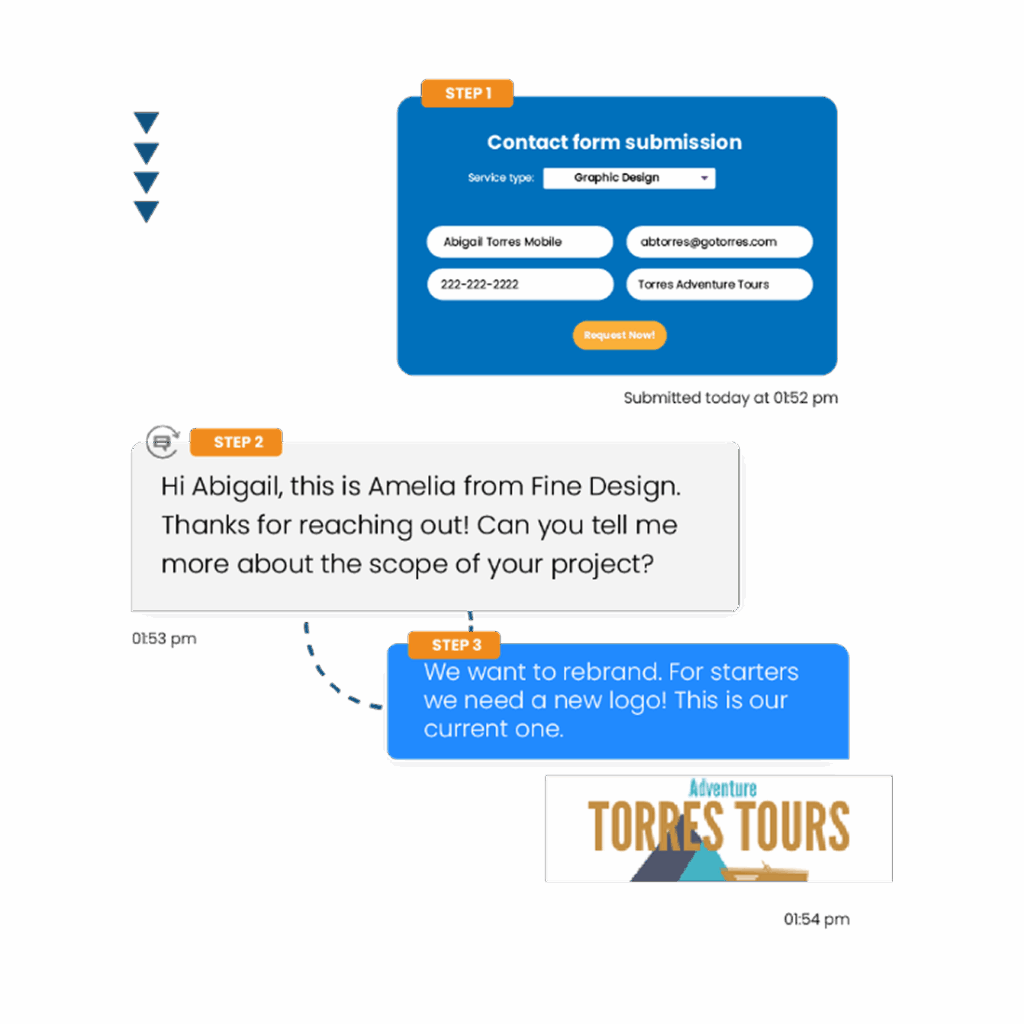
MMS media guidelines are especially valuable when a message relies on visuals to explain something quickly, such as product showcases, step-by-step instructions, or service updates that need a screenshot or short clip. They help teams choose media that loads reliably in busy environments like retail, healthcare, and field service, where staff and customers often have limited attention and varying device types. Following the guidelines improves clarity by preventing distorted images or cut-off videos that could confuse recipients or trigger avoidable questions. It also supports consistent branding and personalization, because media can be formatted to highlight key details like a customer’s specific order, appointment, or location without sacrificing compatibility or readability.
98%
of texts are read immediately
70%
of consumers want to text businesses
40%
of consumers said they have tried to text a business
Best Practices for Using MMS Media Guidelines
Applying MMS media guidelines in real conversations starts with choosing visuals that support the text rather than distract from it.
Each image or clip should have a clear purpose, such as clarifying instructions or confirming details, and the text should explain what the recipient is seeing in simple, direct language.
Clarity improves when messages feel complete without the media, so if a device fails to load the file, the recipient can still understand the key point.
Tone should match your brand while staying concise and respectful, avoiding crowded designs, hard-to-read fonts, or jokes that could be misinterpreted on small screens.
Data accuracy matters wherever media references personal details, so double-check order numbers, dates, and names before attaching screenshots or photos with sensitive information.
Message quality stays higher when teams test sample devices in-house, verify that captions line up with what appears on screen, and keep visual styles consistent across campaigns.
Operational consistency comes from shared templates, review checklists, and clear internal rules about when to use MMS versus plain SMS.
Everything You Need to Scale SMS
Read
Our Blog
14 Promotional Message Examples to Capture Customers
Keeping in touch with customers is essential for any business looking to succeed. One of...
The Textellent Messenger is a Chrome extension that lets your team text inside the apps you already use—no code, no tab-switching. View full conversation history, reuse approved templates and media, and keep replies organized in a shared inbox.
Textellent integrates with 800+ apps—CRMs, schedulers, forms, and payment platforms—so data flows in and texts go out at the perfect moment. Map fields once, tag contacts consistently, and keep systems in sync.
Turn common events into automatic SMS touchpoints: new leads, appointments, payments, status changes, and more. Build simple, rules-based flows that send the right text and follow-ups without manual work.
The Franchisor Module gives franchisors clear visibility across locations while empowering franchisees to execute consistent, on-brand texting that drives growth. Scale what works and spot where support is needed—fast.
Keep conversations moving on the go. The Textellent Mobile app brings your shared inbox to iOS & Android with real-time push notifications, quick-reply templates and media, conversation assignment, and full sync to your CRM—so nothing slips through when you’re away from your desk.