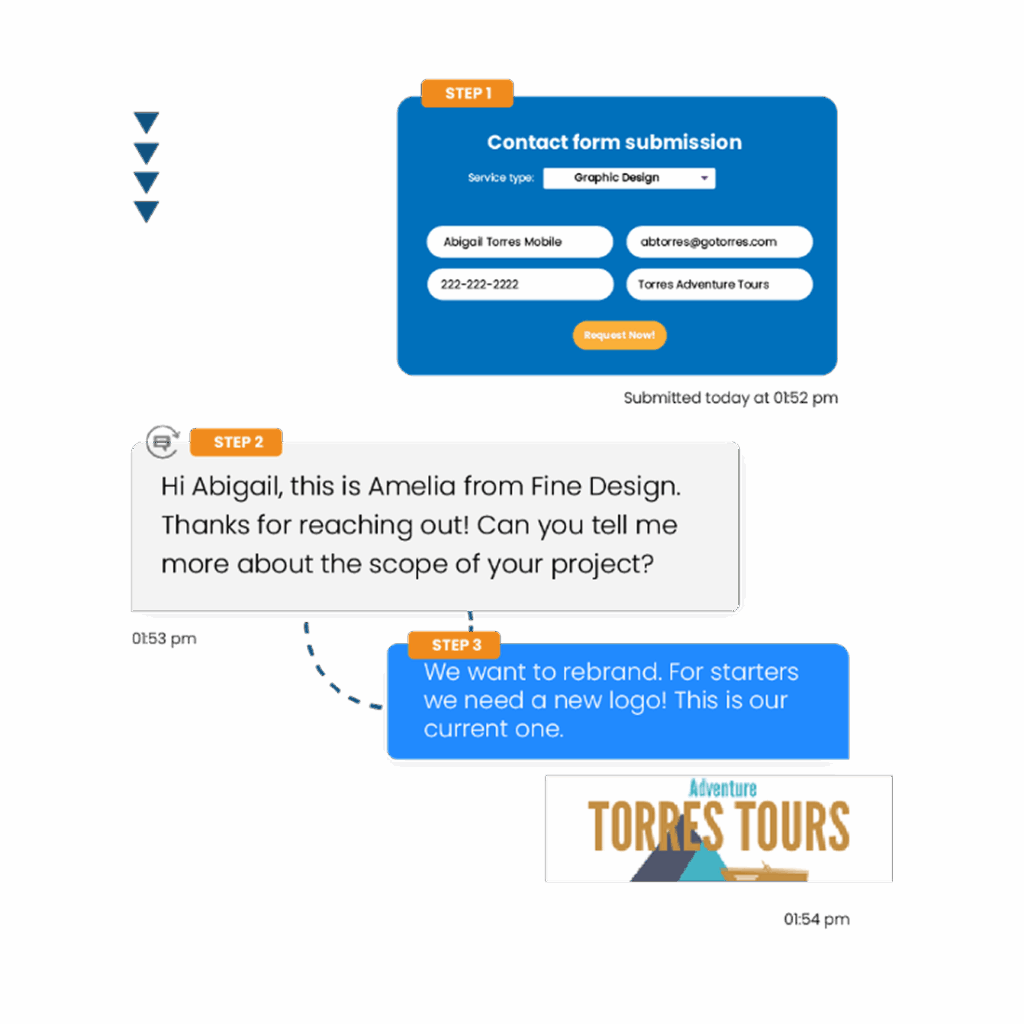
Long-code messaging lets businesses use familiar phone numbers to handle everyday SMS conversations with customers in a simple, low-friction way. It supports ongoing, two-way exchanges that feel like normal texting, which can help build trust and keep communication clear and organized. The rest of this guide outlines how long-code messaging fits into your SMS setup, how it works behind the scenes, and when it makes the most sense to use.
Long-code messaging is the use of standard 10-digit phone numbers to send and receive SMS, usually for lower-volume or conversational communication.
It works within SMS networks much like normal texting between mobile phones, but is often managed through a software platform so businesses can handle replies at scale.
The system depends on carrier routing, local phone number provisioning, and an SMS gateway that connects your application or CRM to the telecom infrastructure.
It also relies on accurate recipient numbers, message content, and compliance data such as opt-in status and regional regulations.
Because long-code messaging behaves like a regular phone number, it often feels more personal and familiar to recipients.
This can support two-way conversations, improve trust, and make sure messages blend naturally into a user’s existing text threads.
Long-Code Messaging: When It’s Appropriate
Long-code messaging is especially useful when a business needs ongoing, conversational exchanges rather than one-off blasts. It works well for customer support threads, order questions, and follow-up clarifications where customers expect to text back and get a direct, human response. Because it looks like a regular number, it often improves trust and reduces confusion, so recipients understand who is contacting them and why. This format also supports more personalized workflows, such as assigning specific agents to specific numbers, which helps maintain context across multiple messages. In regulated industries or service-heavy environments, long-code messaging can strengthen compliance and record-keeping by keeping conversations organized and easy to reference later.
98%
of texts are read immediately
70%
of consumers want to text businesses
40%
of consumers said they have tried to text a business
Best Practices for Using Long-Code Messaging
Using long-code messaging effectively starts with writing clear, concise SMS content that fits naturally into a normal text thread.
Messages should answer a specific question or move a conversation forward, rather than repeating the same information or packing too many topics into one text.
Professional tone matters, so keep language straightforward and polite while still sounding human, avoiding slang that could confuse customers or feel off-brand.
Data accuracy underpins every interaction, so make sure contact numbers, names, and context in your CRM match what you reference in each message.
If an agent is picking up an existing thread, they should quickly review prior SMS exchanges so replies remain consistent with what was promised earlier.
Testing sample conversations can reveal awkward phrasing, broken links, or timing problems that disrupt the flow and reduce trust.
Common pitfalls include sending messages at odd hours, ignoring customer replies, or copying email-style templates that feel too long or formal for SMS.
Everything You Need to Scale SMS
Read
Our Blog
14 Promotional Message Examples to Capture Customers
Keeping in touch with customers is essential for any business looking to succeed. One of...
The Textellent Messenger is a Chrome extension that lets your team text inside the apps you already use—no code, no tab-switching. View full conversation history, reuse approved templates and media, and keep replies organized in a shared inbox.
Textellent integrates with 800+ apps—CRMs, schedulers, forms, and payment platforms—so data flows in and texts go out at the perfect moment. Map fields once, tag contacts consistently, and keep systems in sync.
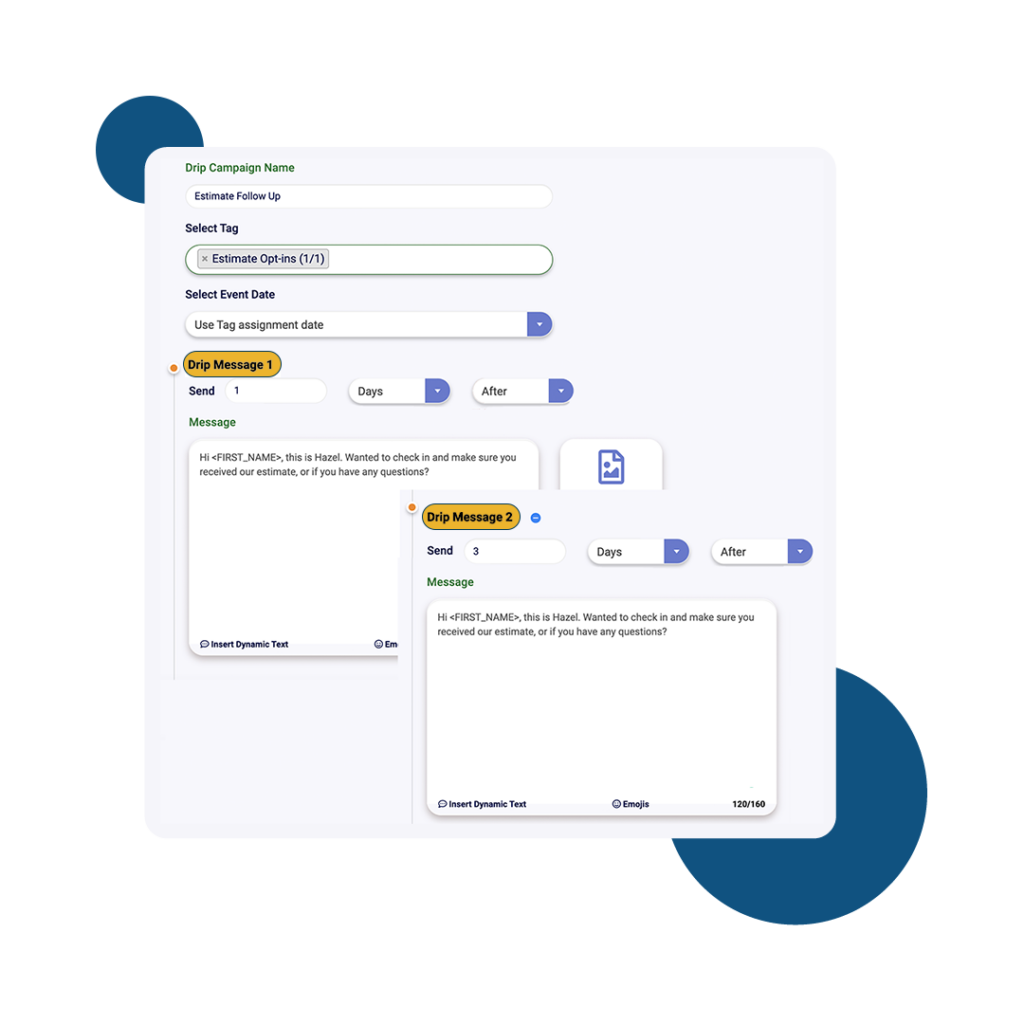
Turn common events into automatic SMS touchpoints: new leads, appointments, payments, status changes, and more. Build simple, rules-based flows that send the right text and follow-ups without manual work.
The Franchisor Module gives franchisors clear visibility across locations while empowering franchisees to execute consistent, on-brand texting that drives growth. Scale what works and spot where support is needed—fast.
Keep conversations moving on the go. The Textellent Mobile app brings your shared inbox to iOS & Android with real-time push notifications, quick-reply templates and media, conversation assignment, and full sync to your CRM—so nothing slips through when you’re away from your desk.