Keyword triggers let businesses automate routine replies in SMS conversations by linking specific words to preset responses. In practice, they act like shortcuts that instantly send the right message or action when a customer texts a chosen term, helping teams keep replies consistent and timely without manual typing. This guide outlines how keyword triggers work behind the scenes and when they fit best into everyday texting workflows.
Keyword triggers are specific words or short phrases that automatically start a pre-defined response when a person texts them to a designated number.
They act like simple commands inside an SMS system, listening for exact matches or close variations in incoming messages.
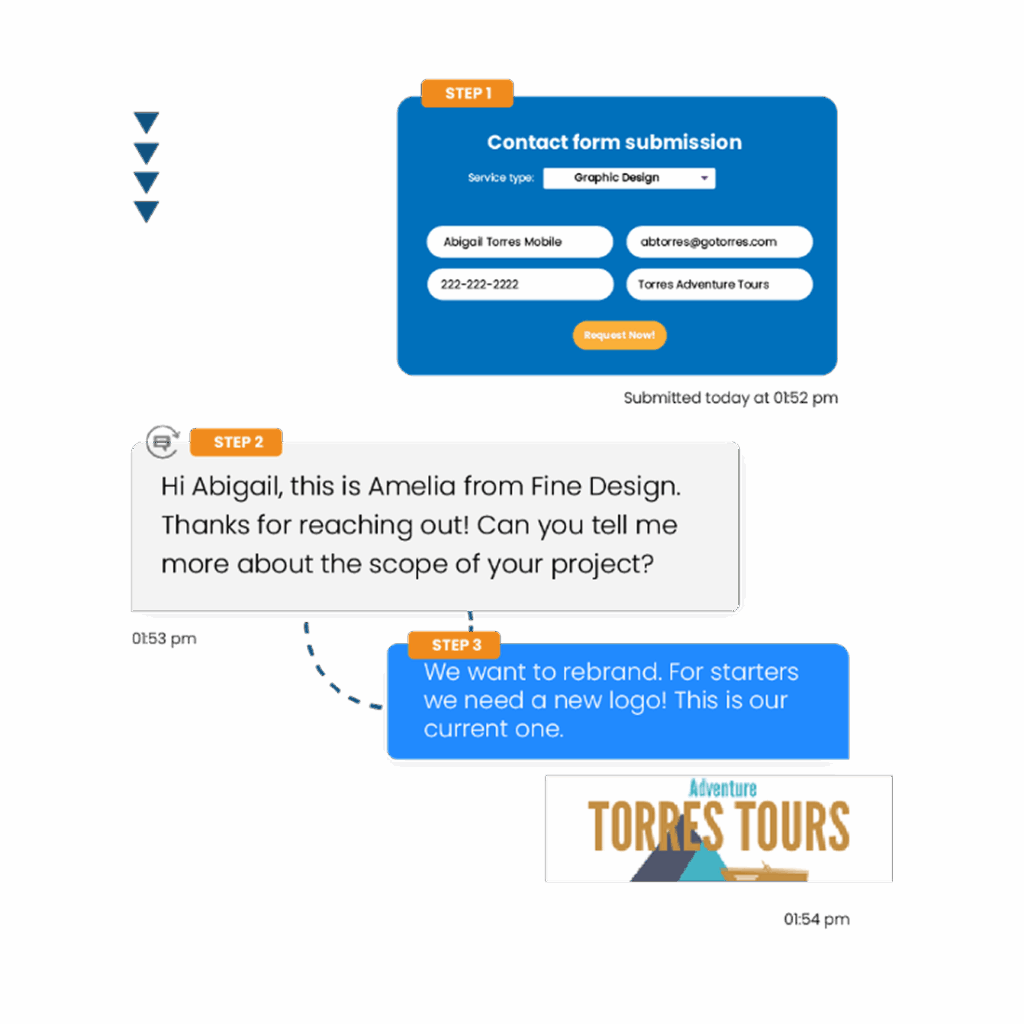
When a user sends a message containing a set keyword, the system checks that text against a stored list of triggers and their linked actions.
These actions can include sending an instant reply, subscribing the contact to a list, updating a profile, or routing the conversation to a particular workflow.
Keyword triggers depend on correctly configured keywords, routing rules, and access to contact records so the response fits the context.
They shape the final message by making replies fast, predictable, and relevant, which helps keep SMS interactions smooth and easy to understand.
Keyword Triggers and How They Activate Automated Flows
Keyword triggers are especially useful in busy, high-volume environments where teams need consistent replies without manually handling every inbound message. They work well for after-hours support, event registrations, and on-the-go inquiries, because customers can send a simple word and get an immediate, context-aware response. This structure improves clarity by giving contacts a clear path to follow, such as texting a specific term for pricing, scheduling, or store hours. Operationally, keyword triggers reduce response time, cut down on agent workload, and keep messaging flows organized across campaigns or departments. They also support compliance and consent management, since standardized keywords like STOP, HELP, or START can automatically update preferences and keep records aligned with regulations.
98%
of texts are read immediately
70%
of consumers want to text businesses
40%
of consumers said they have tried to text a business
Best Practices for Keyword Triggers
Using keyword triggers effectively starts with clear language that customers can easily remember and type correctly.
Each keyword should map to a specific purpose, such as store hours or order status, so people know what to expect when they use it.
In real conversations, it helps to reference the keyword naturally, for example in a confirmation text that reminds the customer which word to reply with for updates or support.
Clarity improves when you test how messages read from the customer’s perspective, including what happens if they send extra words, misspell the keyword, or reply with a question instead.
Reliable use depends on accurate data and consistent routing rules so that replies stay in sync with your lists, preferences, and CRM records.
Tone should feel helpful and calm, even when triggered automatically, so messages read like a human wrote them rather than a system.
Common mistakes include reusing similar keywords across different campaigns, forgetting to update replies when offers change, and overlooking compliance terms like STOP or HELP.
Maintaining a simple naming convention and reviewing logs regularly supports long term consistency and trusted, professional messaging.
Everything You Need to Scale SMS
Read
Our Blog
14 Promotional Message Examples to Capture Customers
Keeping in touch with customers is essential for any business looking to succeed. One of...
The Textellent Messenger is a Chrome extension that lets your team text inside the apps you already use—no code, no tab-switching. View full conversation history, reuse approved templates and media, and keep replies organized in a shared inbox.
Textellent integrates with 800+ apps—CRMs, schedulers, forms, and payment platforms—so data flows in and texts go out at the perfect moment. Map fields once, tag contacts consistently, and keep systems in sync.
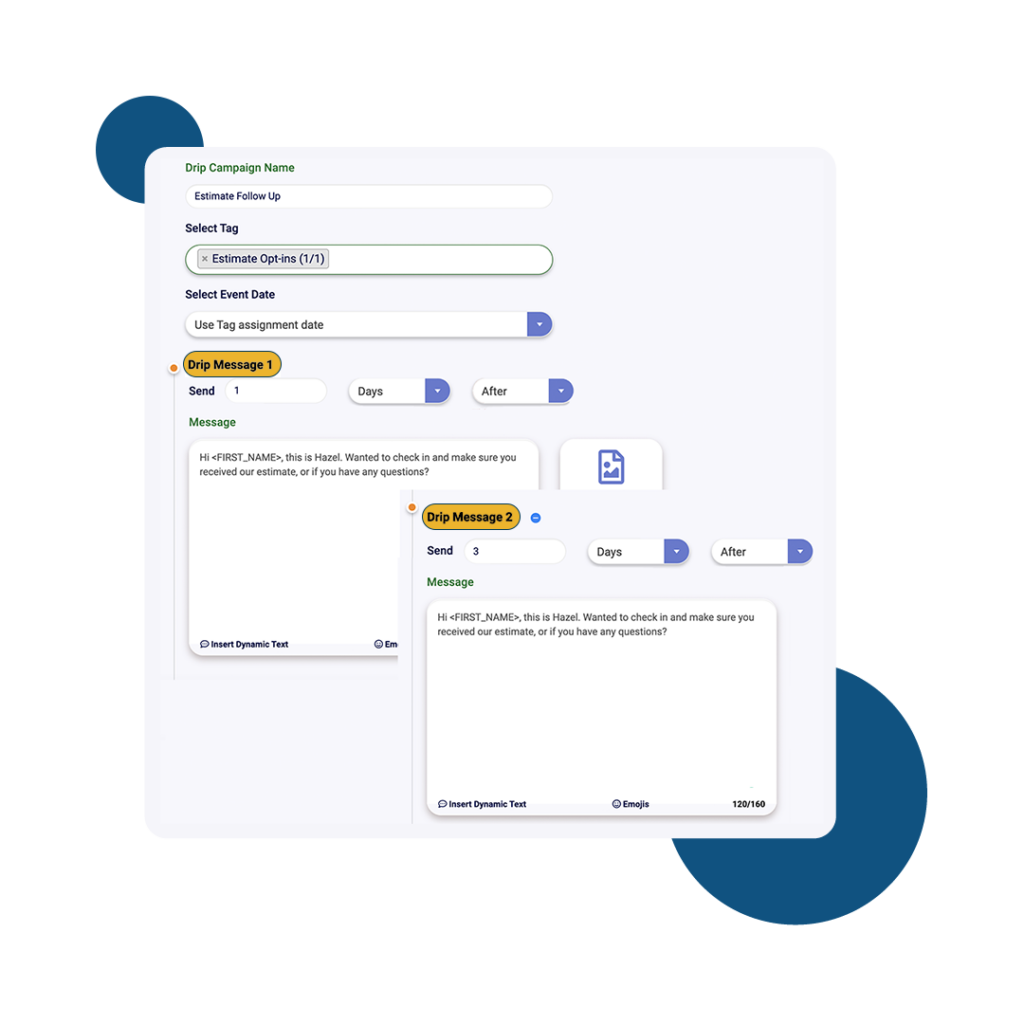
Turn common events into automatic SMS touchpoints: new leads, appointments, payments, status changes, and more. Build simple, rules-based flows that send the right text and follow-ups without manual work.
The Franchisor Module gives franchisors clear visibility across locations while empowering franchisees to execute consistent, on-brand texting that drives growth. Scale what works and spot where support is needed—fast.
Keep conversations moving on the go. The Textellent Mobile app brings your shared inbox to iOS & Android with real-time push notifications, quick-reply templates and media, conversation assignment, and full sync to your CRM—so nothing slips through when you’re away from your desk.