CRM triggers help connect what happens in your CRM to the SMS messages your business sends, so texts go out based on real customer activity instead of guesswork. They make it easier to send timely, relevant SMS updates that match where each contact is in their journey without constant manual effort. This guide explains how CRM triggers fit into everyday business texting and highlights the situations where they add the most value.
CRM triggers are automated rules that start a specific action when certain conditions in your CRM are met.
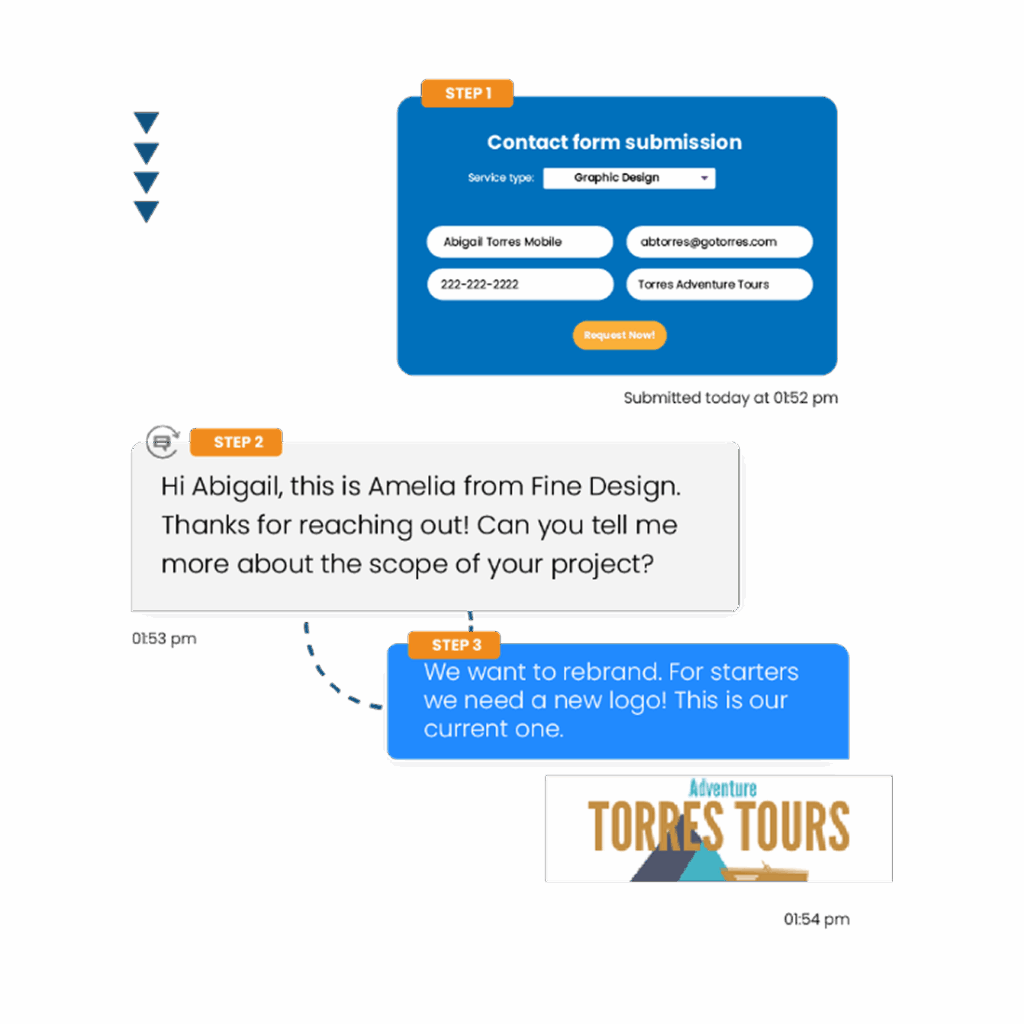
They connect what happens in your customer data, like a new lead, a status change, or a missed payment, to the SMS messages that are sent.
The system constantly watches for these conditions in fields such as lifecycle stage, last interaction date, tags, or custom attributes.
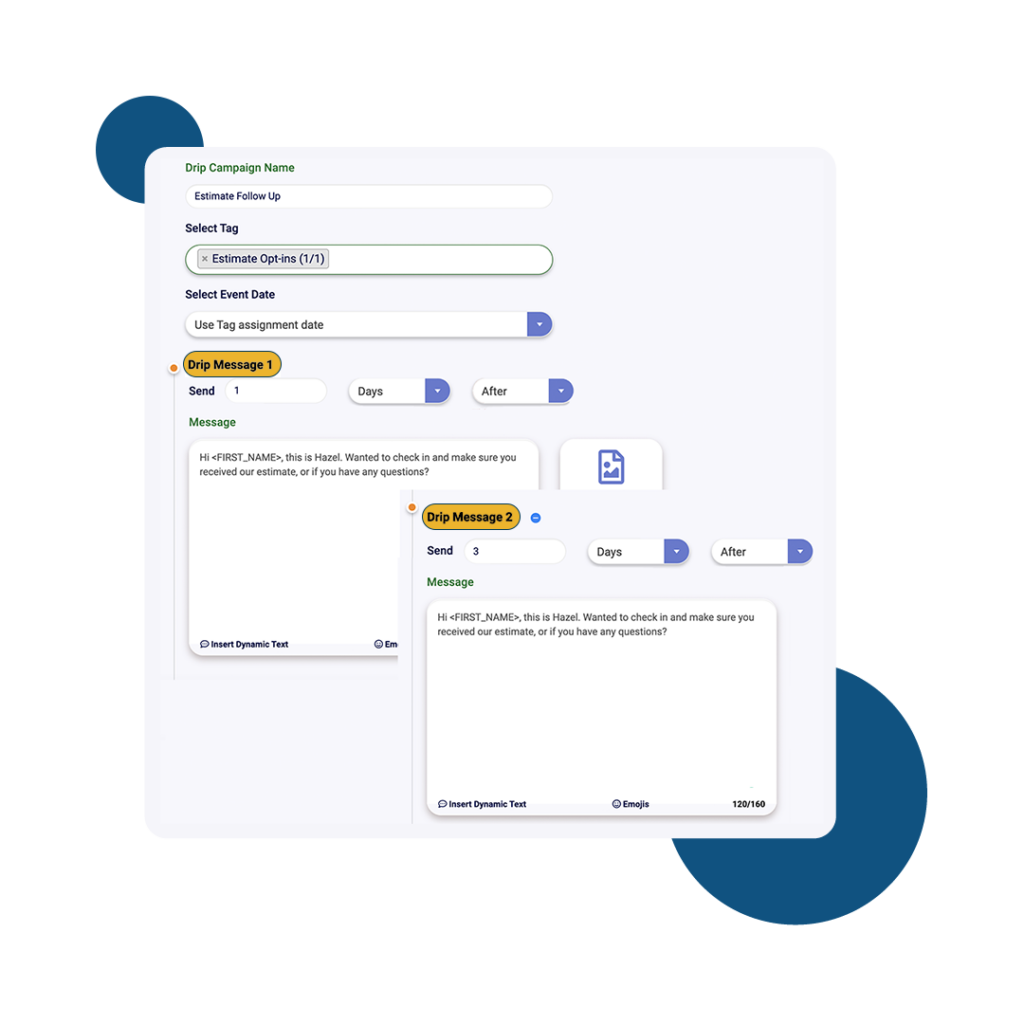
When the defined conditions become true, the CRM triggers activate and push the matching contact into a preset SMS workflow or send a single targeted text.
This setup affects the final message by controlling timing, relevance, and content based on real customer behavior rather than guesswork.
As a result, recipients receive SMS messages that feel timely, contextual, and aligned with what they are actually doing or needing at that moment.
CRM Triggers and How Data Drives Automated Messages
CRM triggers are especially useful when teams need to respond consistently to common events without relying on manual work. They help sales reps follow up instantly after a demo request, support agents confirm case creation without typing the same message repeatedly, and account managers send renewal reminders as contracts approach their end dates. Because the message timing is tied to specific data points, the communication feels more predictable and reduces confusion about why a customer is being contacted. CRM triggers also support compliance by making sure consent fields, opt-out flags, and regional rules are checked before any SMS is sent. This combination of automation and data awareness keeps messaging efficient, relevant, and respectful of each contact’s preferences.
98%
of texts are read immediately
70%
of consumers want to text businesses
40%
of consumers said they have tried to text a business
CRM Triggers Best Practices
Using CRM triggers effectively starts with writing messages that still feel manual even though they are automated.
Each trigger should map to a specific customer moment, and the text that goes out needs to match that context so recipients understand why they are getting an SMS and what it relates to.
Keep the tone steady across all triggered flows so a support follow-up, a billing reminder, and a sales nudge sound like they come from the same brand, even if different teams configured them.
Data accuracy is critical, so make sure fields that drive timing or content are validated and updated regularly, or you risk sending outdated, duplicate, or irrelevant SMS messages.
Before turning on a new trigger, test real records end to end and read the resulting SMS as the customer would, checking for missing details, awkward phrasing, or incorrect assumptions.
Avoid chaining too many CRM triggers together, which can lead to overlapping journeys, excessive messaging, and internal confusion about which rule fired and why.
Document your trigger logic and keep naming, content structure, and opt-out handling consistent so the operation remains reliable as more scenarios are automated.
Everything You Need to Scale SMS
Read
Our Blog
14 Promotional Message Examples to Capture Customers
Keeping in touch with customers is essential for any business looking to succeed. One of...
The Textellent Messenger is a Chrome extension that lets your team text inside the apps you already use—no code, no tab-switching. View full conversation history, reuse approved templates and media, and keep replies organized in a shared inbox.
Textellent integrates with 800+ apps—CRMs, schedulers, forms, and payment platforms—so data flows in and texts go out at the perfect moment. Map fields once, tag contacts consistently, and keep systems in sync.
Turn common events into automatic SMS touchpoints: new leads, appointments, payments, status changes, and more. Build simple, rules-based flows that send the right text and follow-ups without manual work.
The Franchisor Module gives franchisors clear visibility across locations while empowering franchisees to execute consistent, on-brand texting that drives growth. Scale what works and spot where support is needed—fast.
Keep conversations moving on the go. The Textellent Mobile app brings your shared inbox to iOS & Android with real-time push notifications, quick-reply templates and media, conversation assignment, and full sync to your CRM—so nothing slips through when you’re away from your desk.