
A2P subscriber verification workflows

A2P subscriber verification workflows help businesses confirm that the right person is behind a phone number before important SMS messages are sent. They reduce wrong-number texts, cut down on fraud, and make sure follow-up messages reach people who have clearly agreed to receive them. This guide outlines how these workflows fit into everyday texting use cases and when they are the right choice for your communication strategy.

What Are A2P Subscriber Verification Workflows?

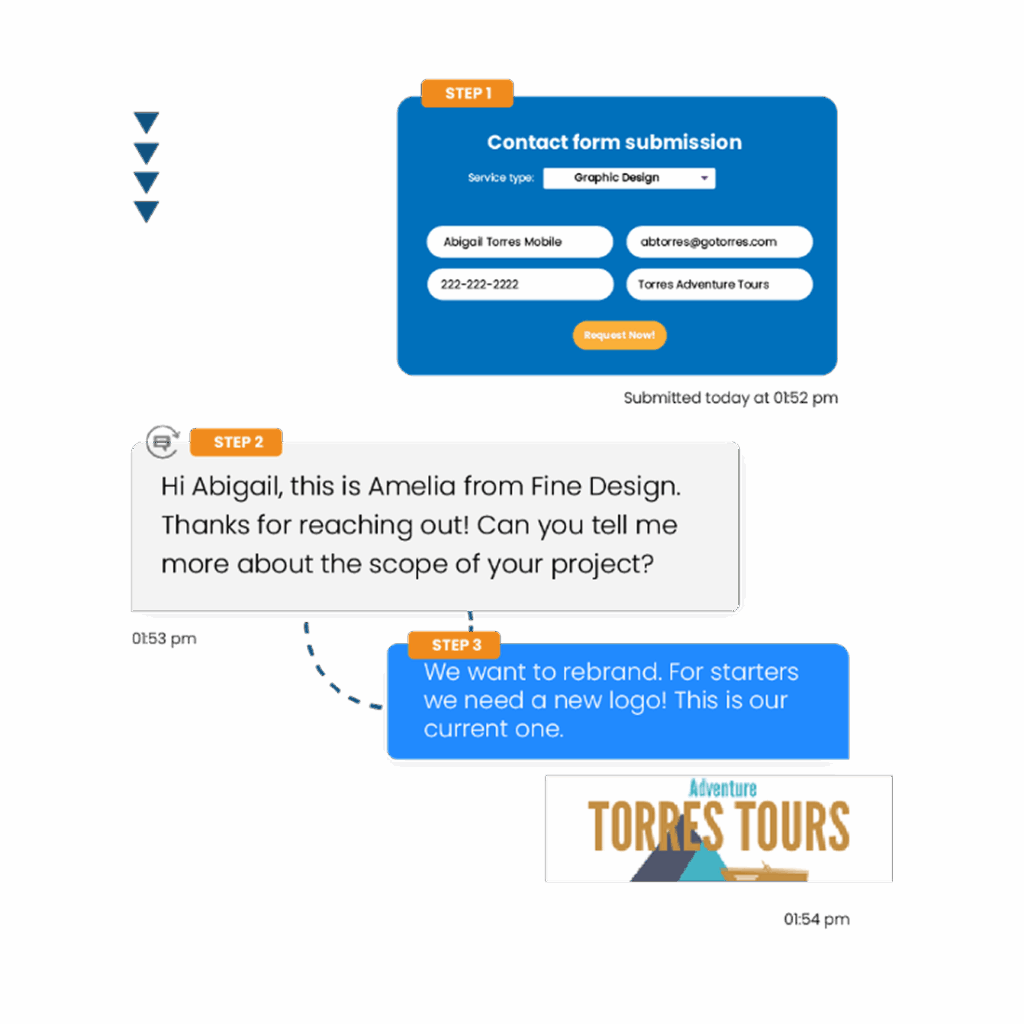
A2P subscriber verification workflows are structured processes that confirm a mobile user’s identity or consent before certain application-to-person messages are delivered.

They usually operate by triggering a verification step – such as sending a one-time code or confirmation link via SMS – when a user signs up, logs in, or requests a sensitive action.

The workflow depends on accurate phone numbers, carrier routing, shortcode or long code configurations, and application logic that tracks the status of each verification attempt.

It also relies on stored data like user identifiers, timestamps, verification results, and compliance records so businesses can prove proper consent and reduce fraud.

For the end user, A2P subscriber verification workflows create a smoother, safer messaging experience by reducing spam, protecting accounts, and making sure only authorized activity leads to follow-up texts.

A2P Subscriber Verification Workflows and How They Operate

A2P subscriber verification workflows are especially useful when texts control access to something valuable, such as financial accounts, healthcare portals, or loyalty rewards. They help separate genuine subscribers from mistyped numbers or fraudsters, so follow-up messages like balance alerts or prescription updates reach the right person. In time-sensitive scenarios like password resets or limited-time offers, a clear verification step keeps the flow fast and predictable, reducing confusion on both sides. These workflows also support compliance by capturing a concrete record of consent tied to each number, which improves audit readiness. At the same time, they keep messaging relevant and personal, because only verified, opted-in users receive ongoing campaigns or transactional SMS.

98%

of texts are read immediately

70%

of consumers want to text businesses

40%

of consumers said they have tried to text a business

Best Practices for A2P Subscriber Verification Workflows

Effective A2P subscriber verification workflows start with a clear purpose that is obvious to the recipient in the first message.

Users should immediately understand why they are getting a code or link, how long it is valid, and what action will happen next, which keeps the experience predictable and reduces confusion.

Clarity depends on simple phrasing, consistent terminology, and short messages that still contain the key details like the channel, time window, and support contact if something goes wrong.

Reliable operation comes from clean data, so phone numbers, country codes, and consent records need to be accurate in your CRM and any connected API.

Teams should test flows regularly using real-world scenarios, checking that codes arrive in order, work as expected, and expire correctly without leaving users stuck.

Common pitfalls include mixing promotional SMS into verification threads, reusing codes, sending messages from multiple numbers mid-process, or logging results poorly, all of which can weaken trust and complicate compliance.

Everything You Need to Scale SMS

Read Our Blog

Sent as SMS: Meaning Behind the Delivery Switch

Sent as SMS: Meaning Behind the Delivery Switch

Explore the "sent as SMS" meaning and whether you should worry about it. Discover how Textellent can help…
Read More →
5 Best Text Recruiting Platforms for 2026

5 Best Text Recruiting Platforms for 2026

5 Best Text Recruiting Platforms for 2026: 1. Textellent 2. ICIMS Text Engagement 3. SenseHQ 4. Paradox 5.…

Read More →
What Is an SMS Campaign? A Guide to Effective Messaging

What Is an SMS Campaign? A Guide to Effective Messaging

What is an SMS campaign? Learn what makes SMS campaigns effective. Discover how Textellent can help you create…


Read More →

READ

OUR BLOG

A girl smiling

Sent as SMS: Meaning Behind the Delivery Switch

Explore the "sent as SMS" meaning and whether you should worry about it. Discover how Textellent can help with server-based messaging.
Texting platforms for recruiting featured image

5 Best Text Recruiting Platforms for 2026

5 Best Text Recruiting Platforms for 2026: 1. Textellent 2. ICIMS Text Engagement 3. SenseHQ 4. Paradox 5. Jobvite Text.
Marketing colleagues creating an SMS campaign

What Is an SMS Campaign? A Guide to Effective Messaging

What is an SMS campaign? Learn what makes SMS campaigns effective. Discover how Textellent can help you create data-driven SMS campaigns.

Everything You Need to Text at Scale

  • Textellent Messenger

    The Textellent Messenger is a Chrome extension that lets your team text inside the apps you already use—no code, no tab-switching. View full conversation history, reuse approved templates and media, and keep replies organized in a shared inbox.

    Learn More >
  • Integrate SMS

    Textellent integrates with 800+ apps—CRMs, schedulers, forms, and payment platforms—so data flows in and texts go out at the perfect moment. Map fields once, tag contacts consistently, and keep systems in sync.

    Learn More >
  • Automations

    Turn common events into automatic SMS touchpoints: new leads, appointments, payments, status changes, and more. Build simple, rules-based flows that send the right text and follow-ups without manual work.

    Learn More >
  • Franchisor Module

    The Franchisor Module gives franchisors clear visibility across locations while empowering franchisees to execute consistent, on-brand texting that drives growth. Scale what works and spot where support is needed—fast.

    Learn More >
  • AI Rewriter & Translate

    Instantly polish your texts and translate them into different languages, making communication faster and more accessible.

    Learn More >
  • Mobile App

    Keep conversations moving on the go. The Textellent Mobile app brings your shared inbox to iOS & Android with real-time push notifications, quick-reply templates and media, conversation assignment, and full sync to your CRM—so nothing slips through when you’re away from your desk.

    Learn More >

Get Started with Business Texting

FAQs About A2P Subscriber Verification Workflows

How does A2P subscriber verification workflow operate in Textellent?
In Textellent, the A2P subscriber verification workflows operate by capturing explicit opt-in consent through automated SMS journeys tied to triggers such as forms, keywords, or appointment activity. Textellent records and stores each subscriber's consent status so businesses can stay aligned with carrier and TCPA requirements. The workflows then control which A2P messages can be sent, make sure only verified subscribers receive ongoing campaigns.
What information is required for A2P subscriber verification workflows? +
A2P subscriber verification workflows require accurate subscriber identity details like name, phone number, and country. They also depend on consent records that align with TCPA rules, including opt-in method, timestamp, and evidence. Platforms typically need service descriptions, message samples, and valid use cases to make sure traffic meets 10DLC and carrier policies.
How do A2P subscriber verification workflows impact SMS delivery rates? +
A2P subscriber verification workflows improve SMS delivery rates by filtering out invalid numbers and confirming active, opted-in users. They help carriers and aggregators recognize compliant A2P traffic, which reduces blocking and throttling. They also cut complaint rates, making it easier to maintain stable SMS routing and sender reputations.
What are common challenges in A2P subscriber verification workflows? +
Common challenges in A2P subscriber verification workflows include message delivery failures due to filtering, network latency, or incorrect routing. Security risks arise from SIM swap fraud, OTP interception, and weak rate limiting on verification APIs. User experience suffers when codes arrive slowly, expire too quickly, or are inconsistent across SMS, MMS, and app channels.