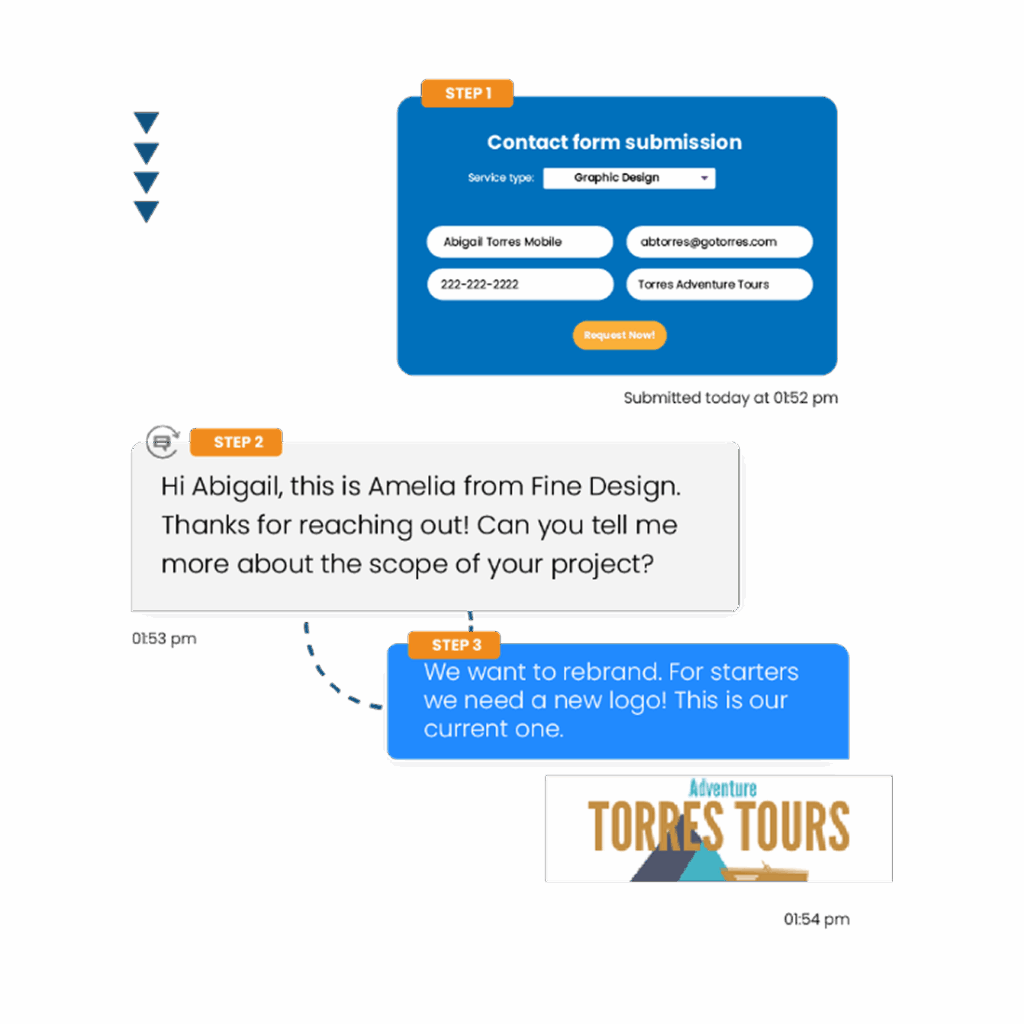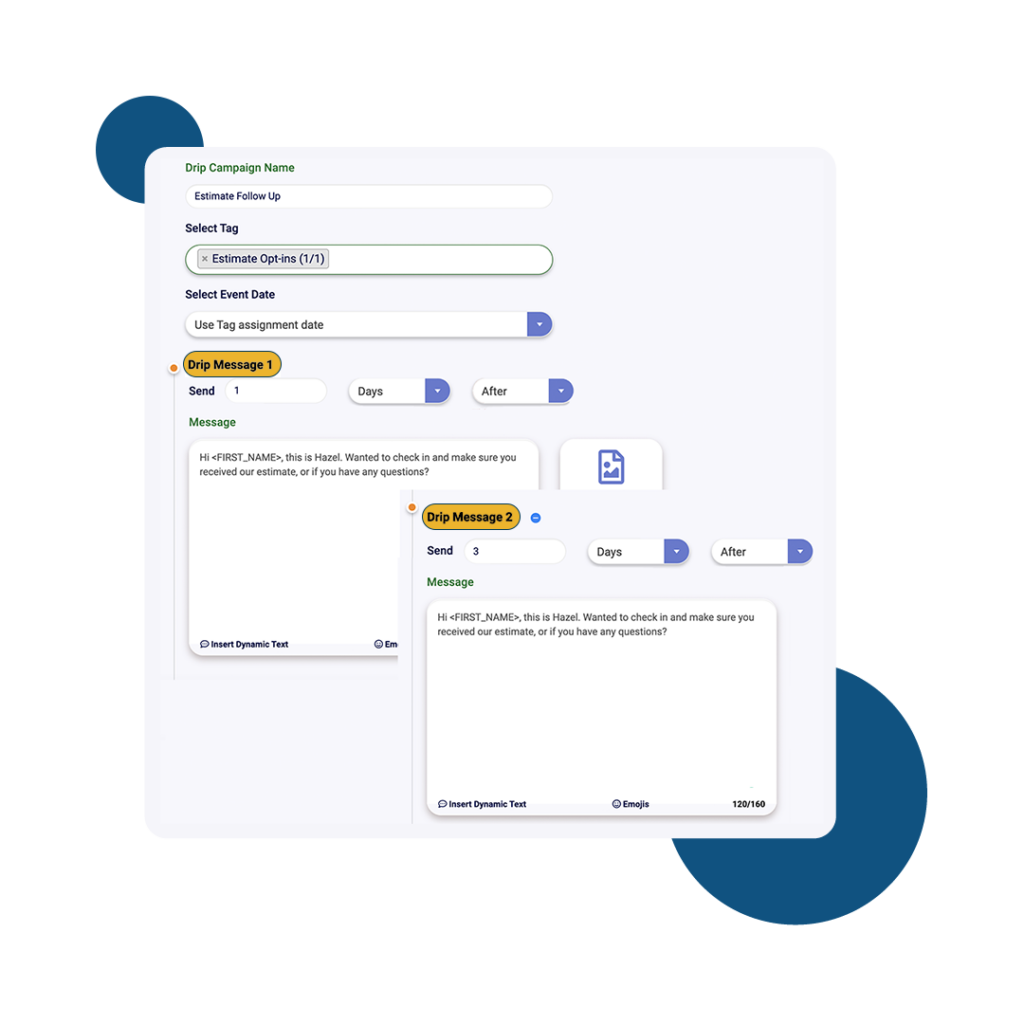

10DLC subscriber journey requirements

10DLC subscriber journey requirements help businesses structure how people join, experience, and leave SMS programs in a compliant, predictable way. They turn scattered texting practices into a single, clear flow that makes sure consent, message content, and timing stay aligned across teams and systems. This guide outlines how these requirements work in practice and when they matter most for everyday business texting.

What Are 10DLC Subscriber Journey Requirements?

10DLC subscriber journey requirements describe the specific steps a customer must follow to join, interact with, and leave a SMS program on registered 10-digit long code numbers.

They define how a person opts in, what confirmation message they receive, how ongoing messages are presented, and how opt-out or help requests are handled.

In practice, they operate through clearly documented flows that connect website forms, keywords, checkboxes, and system-triggered confirmation texts.

They depend on accurate records of consent, timestamps, message logs, and the exact language used in sign-up pages and disclosures.

These requirements shape the final message content so that it clearly states who is texting, what type of messages will be sent, and how often.

They protect subscribers from confusion, reduce complaints, and create a predictable, compliant messaging experience.

10DLC Subscriber Journey Requirements From Opt-In to Opt-Out

10DLC subscriber journey requirements are especially useful when multiple teams or systems touch the same SMS program, such as when marketing, support, and operations all send texts through one shared number. They create a common blueprint so each department understands how contacts were added, what disclosures were shown, and what tone and frequency subscribers already expect. This structure is critical in industries like healthcare, finance, and education, where messages range from reminders to alerts and must stay compliant without confusing recipients. By defining a single, traceable journey, businesses reduce overlap, minimize mixed messaging, and keep communication predictable as volume scales. They also make sure personalization stays aligned with the original consent, which helps messages feel relevant without crossing into inappropriate or intrusive territory.

98%

of texts are read immediately

70%

of consumers want to text businesses

40%

of consumers said they have tried to text a business

Best Practices for 10DLC Subscriber Journey Requirements

Applying 10DLC subscriber journey requirements in real campaigns starts with writing opt-in language that matches what subscribers actually experience on-screen and on their phones.

The form, checkbox, or keyword flow should use the same brand name, message types, and frequency that appear in the first SMS, so nothing feels misleading or surprising.

Each confirmation and follow-up message benefits from a clean, readable structure that states who is texting, why, and how subscribers can get help or stop messages at any time.

To keep tone professional and trustworthy, teams should agree on shared wording for greetings, disclaimers, and support details so customers receive a consistent experience, even when different departments send texts.

Accurate records of consent, timestamps, and messaging content should be maintained in whatever CRM or database is used, since poor data hygiene often leads to off-topic messages or texting people who never agreed.

Common pitfalls include overloading messages with jargon, burying opt-out instructions, or changing the program’s purpose without updating disclosures, all of which create confusion and risk complaints under the TCPA.

Everything You Need to Scale SMS

Read Our Blog

Sent as SMS: Meaning Behind the Delivery Switch

Sent as SMS: Meaning Behind the Delivery Switch

What does sent as SMS mean? What it means for your SMS campaign? Learn about it and discover…
Read More →
5 Best Text Recruiting Platforms for 2026

5 Best Text Recruiting Platforms for 2026

Recruiting can be a demanding process that involves juggling communication, organization, and consistent follow-up with candidates. Without a…

Read More →
What Is an SMS Campaign? A Guide to Effective Messaging

What Is an SMS Campaign? A Guide to Effective Messaging

What is an SMS campaign? Learn what makes SMS campaigns effective. Discover how Textellent can help you create…


Read More →

READ

OUR BLOG

A girl smiling

Sent as SMS: Meaning Behind the Delivery Switch

What does sent as SMS mean? What it means for your SMS campaign? Learn about it and discover how Textellent supports server-based messaging.
Texting platforms for recruiting featured image

5 Best Text Recruiting Platforms for 2026

Marketing colleagues creating an SMS campaign

What Is an SMS Campaign? A Guide to Effective Messaging

What is an SMS campaign? Learn what makes SMS campaigns effective. Discover how Textellent can help you create data-driven SMS campaigns.

Everything You Need to Text at Scale

  • Textellent Messenger

    The Textellent Messenger is a Chrome extension that lets your team text inside the apps you already use—no code, no tab-switching. View full conversation history, reuse approved templates and media, and keep replies organized in a shared inbox.

    Learn More >
  • Integrate SMS

    Textellent integrates with 800+ apps—CRMs, schedulers, forms, and payment platforms—so data flows in and texts go out at the perfect moment. Map fields once, tag contacts consistently, and keep systems in sync.

    Learn More >
  • Automations

    Turn common events into automatic SMS touchpoints: new leads, appointments, payments, status changes, and more. Build simple, rules-based flows that send the right text and follow-ups without manual work.

    Learn More >
  • Franchisor Module

    The Franchisor Module gives franchisors clear visibility across locations while empowering franchisees to execute consistent, on-brand texting that drives growth. Scale what works and spot where support is needed—fast.

    Learn More >
  • AI Rewriter & Translate

    Instantly polish your texts and translate them into different languages, making communication faster and more accessible.

    Learn More >
  • Mobile App

    Keep conversations moving on the go. The Textellent Mobile app brings your shared inbox to iOS & Android with real-time push notifications, quick-reply templates and media, conversation assignment, and full sync to your CRM—so nothing slips through when you’re away from your desk.

    Learn More >

Get Started with Business Texting

FAQs About 10DLC Subscriber Journey Requirements

How does Textellent handle 10DLC subscriber journey requirements?
Textellent supports 10DLC subscriber journey requirements by managing compliant opt-in, opt-out, and consent records for each contact. The platform automates subscriber flows with triggered SMS and MMS sequences that respect quiet hours and carrier rules. Textellent's tools help businesses align their 10DLC subscriber journey requirements with A2P messaging regulations and TCPA guidelines.
What are 10DLC subscriber journey requirements for business texting? +
10DLC subscriber journey requirements for business texting focus on clear opt-in, transparent messaging, and compliant opt-out flows. Businesses must make sure users know what they are signing up for, how often SMS will be sent, and any associated fees. Programs must honor STOP and HELP keywords promptly to align with TCPA and carrier rules.
What information must be collected for 10DLC subscriber journey requirements? +
For 10DLC subscriber journey requirements, brands must collect the subscriber's explicit consent, including the exact SMS or web signup context and timestamp. They also need the subscriber's phone number, opt-in method, opt-out instructions, and any relevant TCPA consent records. Finally, programs must document message frequency, content type, data use, and support contact details.
How do 10DLC subscriber journey requirements impact SMS campaigns? +
10DLC subscriber journey requirements shape SMS campaigns by demanding clear opt-in flows, compliant messaging, and simple opt-out paths. They make sure brands document consent, share expected message frequency, and provide transparent terms. This reduces spam risk, strengthens carrier trust, and helps campaigns stay aligned with TCPA and carrier policies.