
Customer lifecycle stages

Customer lifecycle stages help teams organize business texting around where someone is in their journey so messages feel timely rather than random. By tying SMS content to each stage, brands can make sure different audiences receive messages that match their current needs without constant manual decisions. This guide outlines how customer lifecycle stages fit into SMS workflows and when each stage is most useful in everyday communication.

What Are Customer Lifecycle Stages?

Customer lifecycle stages are the key phases a customer passes through in their relationship with a brand, from first awareness to repeat purchases and loyalty.

In SMS communication, these stages guide what kind of message is sent, when it is sent, and how direct or detailed it should be.

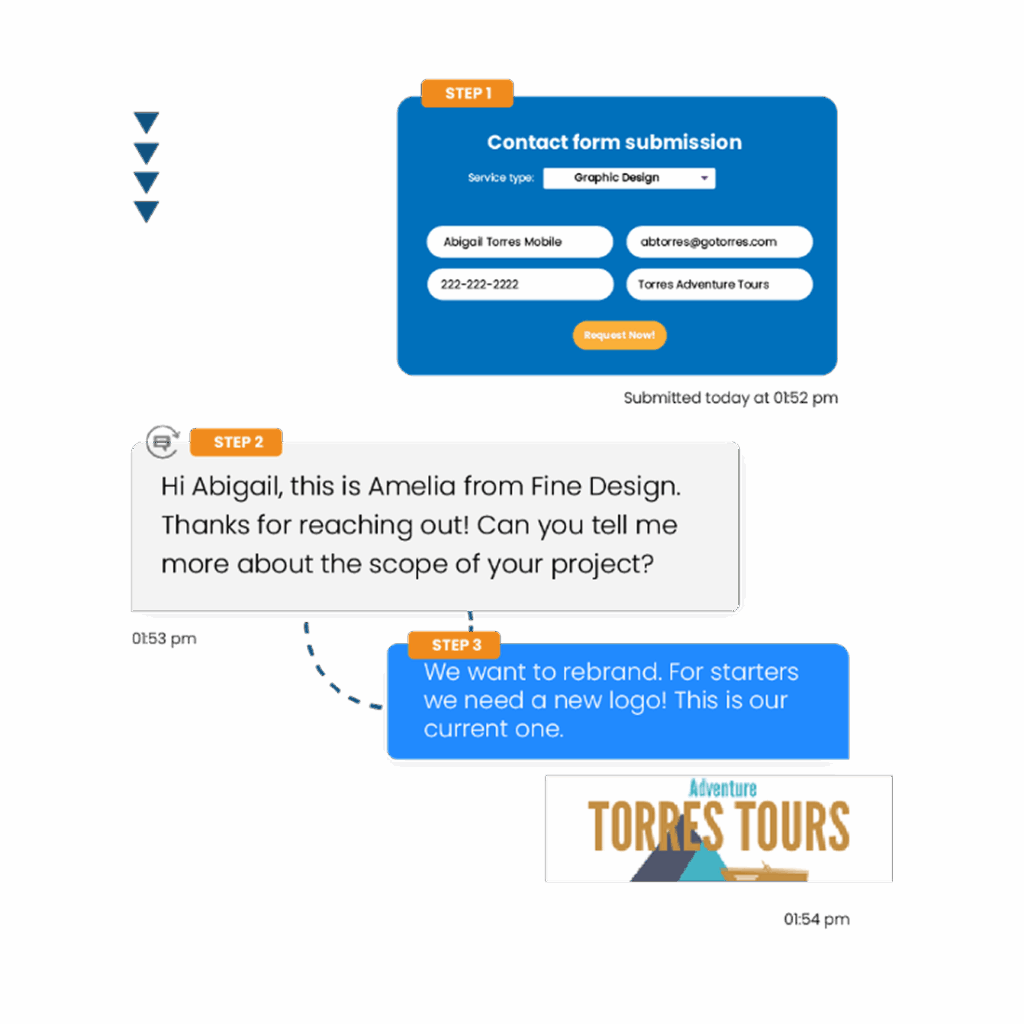
A system uses data such as signup dates, purchase history, browsing behavior, and engagement with past texts to place each person in the correct stage.

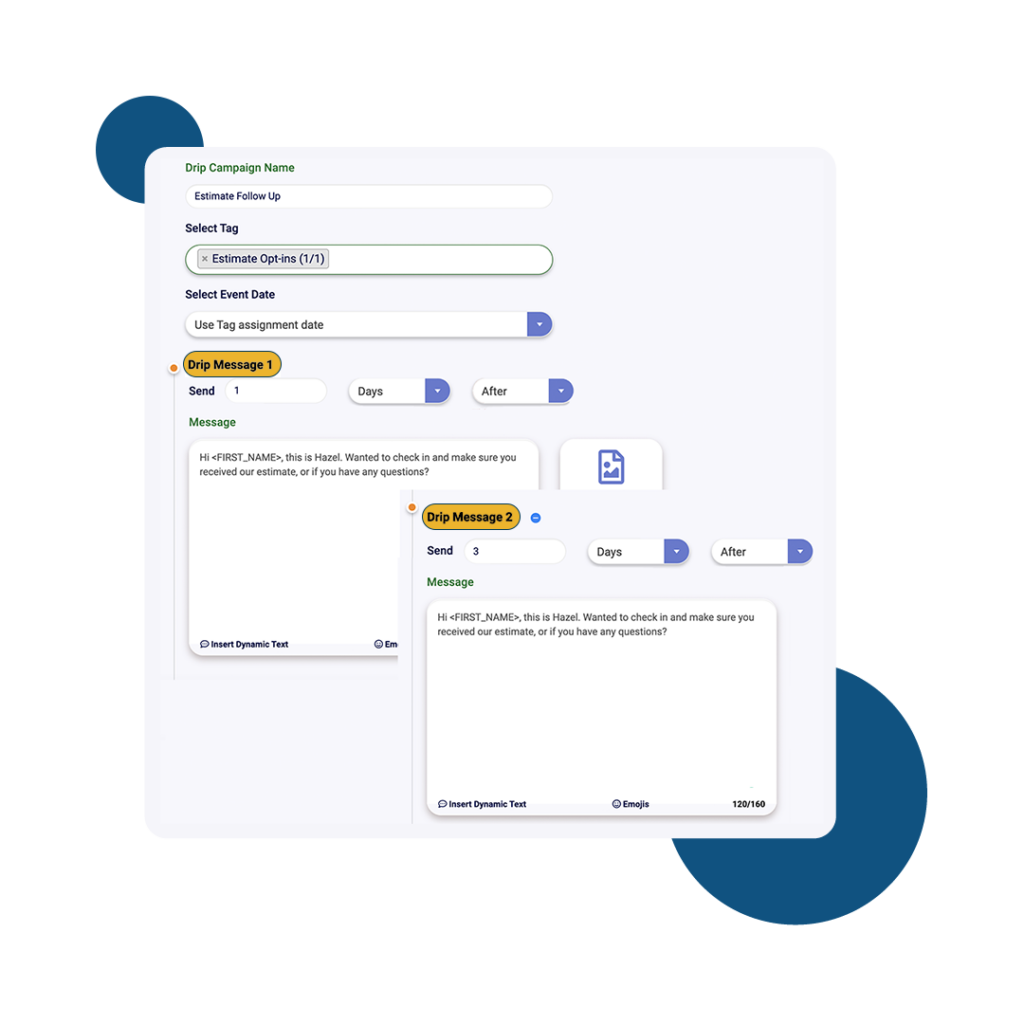
Automations then trigger different SMS flows based on this stage, such as welcome sequences for new subscribers or re-engagement messages for lapsed customers.

This structure helps messages feel timely and relevant instead of random or repetitive.

By matching content to customer lifecycle stages, brands make sure each text reflects where someone is in their journey and supports a smoother overall experience.

How Customer Lifecycle Stages Guide SMS Strategy

Customer lifecycle stages are especially useful when teams need to coordinate SMS across marketing, sales, and support without sending conflicting or redundant messages. They help a retailer decide when to send a first-time buyer a simple shipping update, when to introduce a loyalty perk, and when to switch to win-back offers if orders slow down. In service businesses, stages clarify when texts should focus on onboarding tips, usage education, or renewal reminders, so customers are not overwhelmed early or neglected later. This structure improves efficiency because staff can rely on predefined stage-based templates instead of writing every text from scratch. It also supports compliance by limiting high-frequency promotional texts to stages where people have clearly engaged and expect more communication. As a result, SMS feels like a guided conversation that responds to real behavior rather than a stream of disconnected campaigns.

98%

of texts are read immediately

70%

of consumers want to text businesses

40%

of consumers said they have tried to text a business

Customer Lifecycle Stage Messaging Best Practices

Treat customer lifecycle stages as a practical map for what each person is ready to receive, not just as labels in a CRM.

In early interest, keep SMS concise and value-focused, using plain language that explains why the text matters right now.

As customers move into active use or repeat purchase, reference accurate data such as recent orders or appointments, and make sure those details match what they see in email or on your site.

For long-term or lapsed customers, shift the tone toward support and clarity rather than pressure, and avoid sending rapid-fire promotions that ignore their recent behavior.

Operational consistency depends on shared definitions of each stage, so document when someone moves from prospect to active customer and how that affects message content and frequency.

Common pitfalls include outdated lifecycle assignments, conflicting messages from different teams, and using the same script across all stages, which erodes trust and makes texts feel generic or confusing.

Everything You Need to Scale SMS

Read Our Blog

70+ Common Text Abbreviations and How to Use Them Right

70+ Common Text Abbreviations and How to Use Them Right

Text abbreviations have become a natural part of how we communicate in digital spaces and real-life conversations. As…
Read More →
Sent as SMS: Meaning Behind the Delivery Switch

Sent as SMS: Meaning Behind the Delivery Switch

Explore the "sent as SMS" meaning and whether you should worry about it. Discover how Textellent can help…

Read More →
5 Best Text Recruiting Platforms for 2026

5 Best Text Recruiting Platforms for 2026

5 Best Text Recruiting Platforms for 2026: 1. Textellent 2. ICIMS Text Engagement 3. SenseHQ 4. Paradox 5.…


Read More →

READ

OUR BLOG

Young woman using text abbreviations while sending an SMS

70+ Common Text Abbreviations and How to Use Them Right

A girl smiling

Sent as SMS: Meaning Behind the Delivery Switch

Explore the "sent as SMS" meaning and whether you should worry about it. Discover how Textellent can help with server-based messaging.
Texting platforms for recruiting featured image

5 Best Text Recruiting Platforms for 2026

5 Best Text Recruiting Platforms for 2026: 1. Textellent 2. ICIMS Text Engagement 3. SenseHQ 4. Paradox 5. Jobvite Text.

Everything You Need to Text at Scale

  • Textellent Messenger

    The Textellent Messenger is a Chrome extension that lets your team text inside the apps you already use—no code, no tab-switching. View full conversation history, reuse approved templates and media, and keep replies organized in a shared inbox.

    Learn More >
  • Integrate SMS

    Textellent integrates with 800+ apps—CRMs, schedulers, forms, and payment platforms—so data flows in and texts go out at the perfect moment. Map fields once, tag contacts consistently, and keep systems in sync.

    Learn More >
  • Automations

    Turn common events into automatic SMS touchpoints: new leads, appointments, payments, status changes, and more. Build simple, rules-based flows that send the right text and follow-ups without manual work.

    Learn More >
  • Franchisor Module

    The Franchisor Module gives franchisors clear visibility across locations while empowering franchisees to execute consistent, on-brand texting that drives growth. Scale what works and spot where support is needed—fast.

    Learn More >
  • AI Rewriter & Translate

    Instantly polish your texts and translate them into different languages, making communication faster and more accessible.

    Learn More >
  • Mobile App

    Keep conversations moving on the go. The Textellent Mobile app brings your shared inbox to iOS & Android with real-time push notifications, quick-reply templates and media, conversation assignment, and full sync to your CRM—so nothing slips through when you’re away from your desk.

    Learn More >

Get Started with Business Texting

FAQs About Customer Lifecycle Stages

How does Textellent automate customer lifecycle stages messaging?
Textellent automates customer lifecycle stages messaging by using templates, merge fields, and time-based sequences that adapt to each phase of the relationship. It uses triggers from appointments, customer actions, and CRM updates to send the right SMS or MMS at the right moment. It then supports two-way conversations so teams can refine messages as customers move through different lifecycle stages.
What are the main customer lifecycle stages in business texting? +
In business texting, the main customer lifecycle stages are awareness, consideration, purchase, retention, and advocacy. SMS helps attract attention, answer questions, support transactions, and keep customers engaged over time. Brands also integrate SMS with CRM tools and other channels to make sure each stage feels consistent and relevant.
How can SMS support each customer lifecycle stage? +
SMS can support the awareness and acquisition stages by sending timely introductions, key benefits, and simple onboarding links. It can strengthen the retention and loyalty stages with order updates, personalized reminders, and helpful tips tied to customer preferences in the CRM. It can also re-engage lapsed users during the reactivation stage with relevant, compliant offers aligned to TCPA.
What role does timing play in customer lifecycle stages texting? +
Timing aligns SMS content with specific customer lifecycle stages so messages feel relevant instead of intrusive. Well-timed texts support awareness, consideration, purchase, and retention by reaching customers when they are most receptive. Careful timing also helps respect preferences and regulations, and make sure communications strengthen long-term relationships.