Trigger misfires help teams understand why automated SMS flows sometimes send the wrong message at the wrong moment. By focusing on how and when a trigger is allowed to fire, businesses can make sure their texting feels timely, relevant, and consistent across the CRM and other connected systems. This guide outlines what trigger misfires are, how they function inside automated journeys, and when it makes sense to review or adjust them.
Trigger misfires are unexpected or incorrect message sends that occur when an automated SMS trigger activates at the wrong time or for the wrong contact.
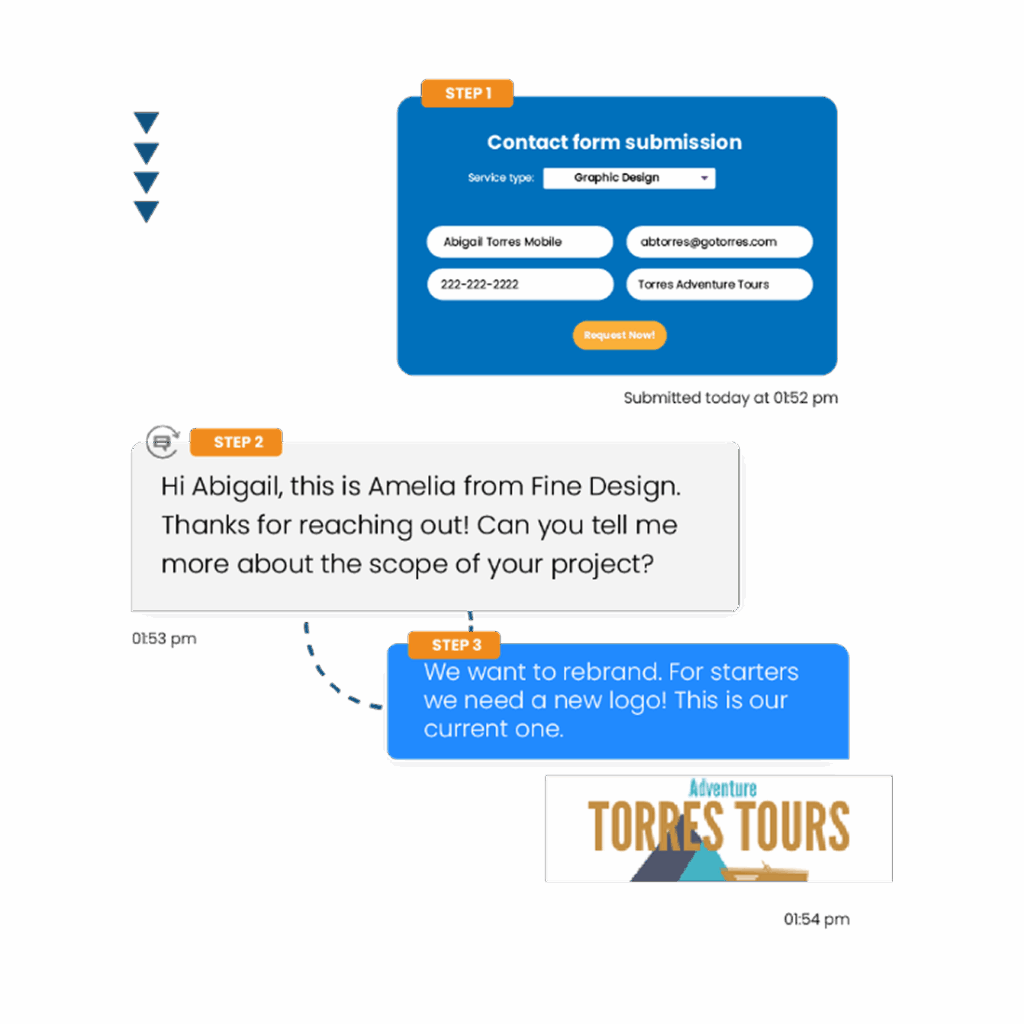
They happen inside automated workflows, where specific events, dates, or behaviors are supposed to start a message sequence.
When the underlying conditions are set up incorrectly, or when data is incomplete or out of date, the trigger may fire even though the situation does not truly match the intended rule.
Trigger misfires depend on reliable data such as contact attributes, subscription status, time zones, and event logs from other systems.
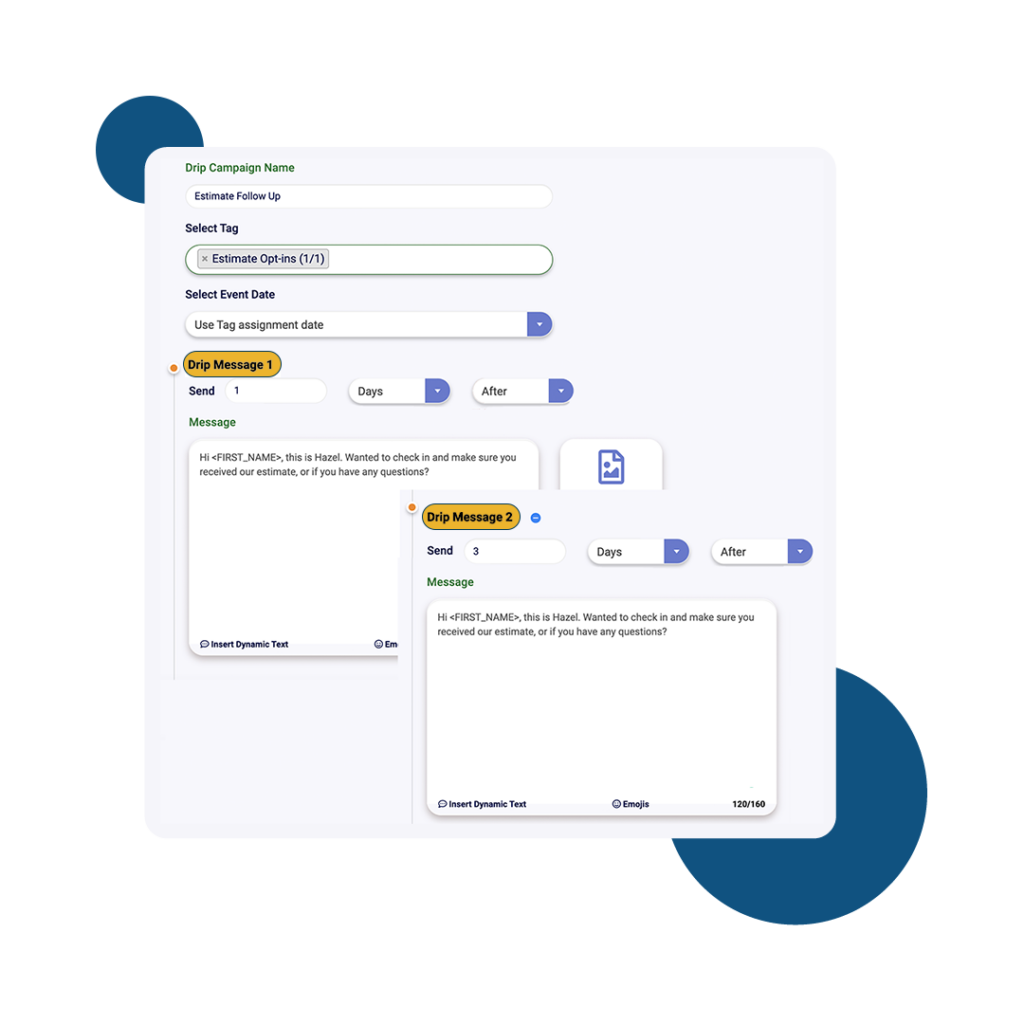
They also rely on accurate rule logic, like filters, delays, and frequency limits that govern who should receive what and when.
When trigger misfires occur, customers might receive confusing, irrelevant, or repeated texts, which can damage trust and make the communication feel spammy or unprofessional.
What Causes Trigger Misfires and How to Fix the Logic
Trigger misfires are especially important to diagnose in time-sensitive programs where a poorly timed text can confuse or frustrate customers. In sales nurture flows, for example, a misaligned rule might send discount codes to people who already purchased, while in appointment workflows, bad logic can trigger reminders after a visit has been completed. Analyzing and tightening the logic makes sure each condition accurately reflects the real-world scenario – such as purchase status, visit outcome, or current subscription preference. This improves clarity because customers receive messages that match what actually happened, and it also boosts efficiency by cutting down on support tickets and manual corrections. Refining trigger rules strengthens personalization and compliance at the same time, since texts are sent only when they are contextually appropriate and consent is still valid.
98%
of texts are read immediately
70%
of consumers want to text businesses
40%
of consumers said they have tried to text a business
Trigger Misfires Best Practices
Trigger misfires are best managed by treating every automated message as if a human was sending it in real time.
Before activating a new flow, write a few realistic customer scenarios and walk through exactly when each text should arrive, then compare that to the trigger conditions that are actually configured.
This kind of dry run makes sure the timing, frequency, and audience filters produce clear, relevant texts instead of awkward repeats or messages that arrive too late to matter.
Clarity improves when message templates are written to stand on their own, so if a trigger fires slightly earlier or later than expected, the recipient still understands why they got the SMS.
Tone should stay steady across manual and automated messages, so customers do not feel a jarring shift when a workflow sends an update.
Data accuracy matters just as much as wording, so teams should align customer status fields, subscription flags, and time zones across the CRM, billing tools, and any connected API.
Regularly reviewing logs for edge cases and complaints helps spot patterns where trigger misfires slip through, such as duplicate events or mismatched statuses.
Operational consistency comes from documenting how each trigger is supposed to work and updating that record whenever rules change, so new staff do not accidentally reintroduce old logic errors.
Everything You Need to Scale SMS
Read
Our Blog
14 Promotional Message Examples to Capture Customers
Keeping in touch with customers is essential for any business looking to succeed. One of...
The Textellent Messenger is a Chrome extension that lets your team text inside the apps you already use—no code, no tab-switching. View full conversation history, reuse approved templates and media, and keep replies organized in a shared inbox.
Textellent integrates with 800+ apps—CRMs, schedulers, forms, and payment platforms—so data flows in and texts go out at the perfect moment. Map fields once, tag contacts consistently, and keep systems in sync.
Turn common events into automatic SMS touchpoints: new leads, appointments, payments, status changes, and more. Build simple, rules-based flows that send the right text and follow-ups without manual work.
The Franchisor Module gives franchisors clear visibility across locations while empowering franchisees to execute consistent, on-brand texting that drives growth. Scale what works and spot where support is needed—fast.
Keep conversations moving on the go. The Textellent Mobile app brings your shared inbox to iOS & Android with real-time push notifications, quick-reply templates and media, conversation assignment, and full sync to your CRM—so nothing slips through when you’re away from your desk.