Field mapping helps business texting connect stored contact data with the message content customers actually see, so each SMS reflects up-to-date details without manual edits. It simplifies how different tools and teams feed information into the same SMS flows, making sure the right fields appear in the right place. This guide outlines how field mapping functions in SMS workflows and when it makes sense to rely on it for everyday communication.
Field mapping is the process of connecting specific fields in your contact or customer database to the placeholders used in your SMS templates.
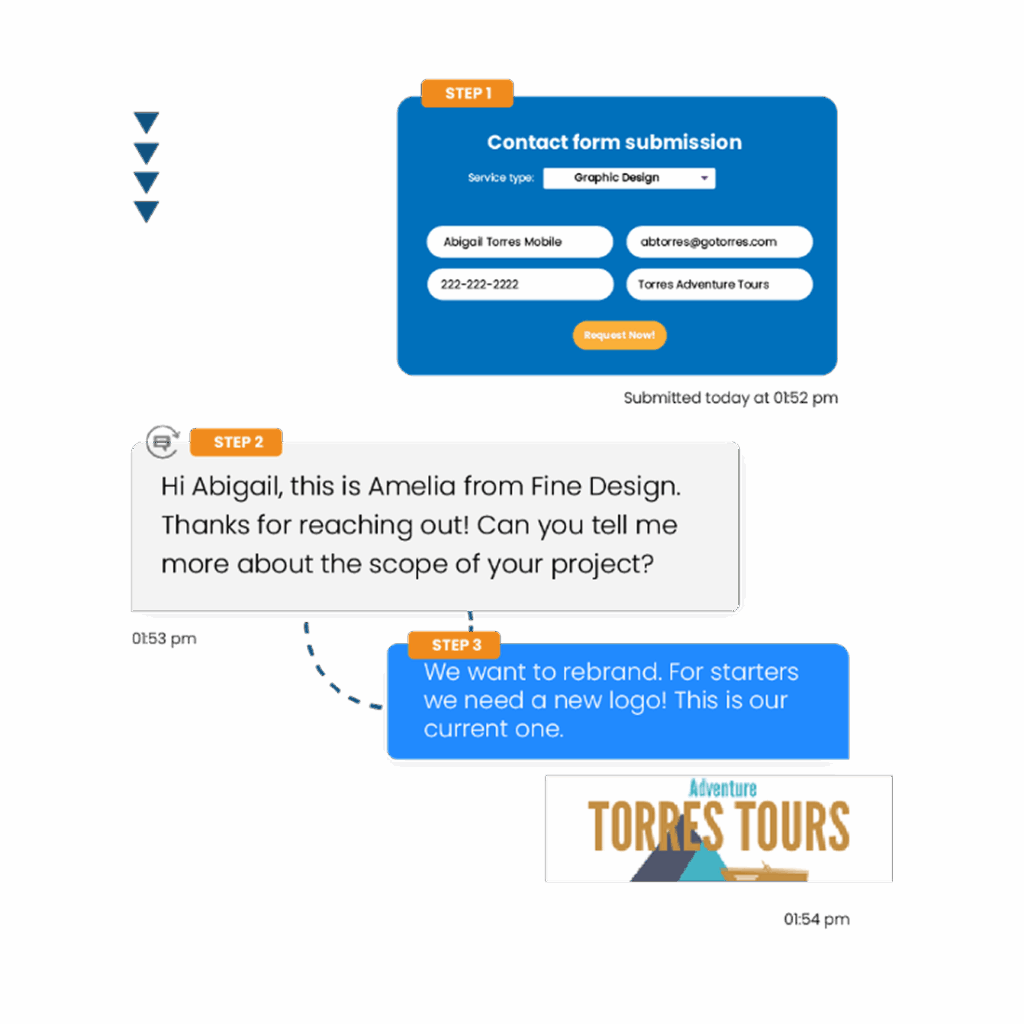
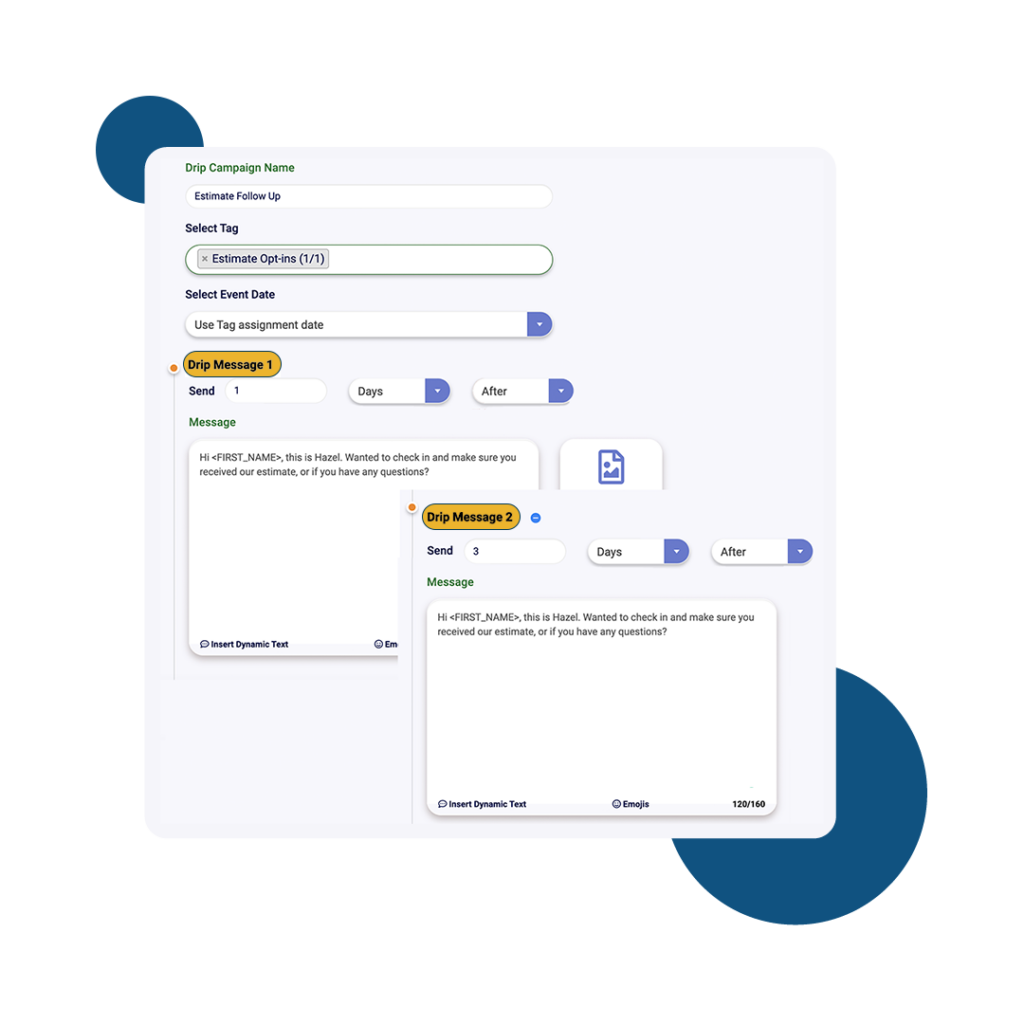
It tells the system which piece of stored data should fill each part of the message, such as matching a database field called First name to the greeting in your text.
During SMS communication, field mapping operates behind the scenes to pull the right values at send time, so every recipient receives content that reflects their own details.
It depends on accurate, consistently labeled data in your CRM or contact list and on clear definitions of which fields belong in each message template.
Field mapping affects the final message by controlling how personalized, complete, and readable the SMS appears to the user.
Field Mapping and How Data Connects to Templates
Field mapping is especially helpful when different teams rely on the same SMS templates but store data in slightly different ways. It creates a stable bridge between your CRM, booking tools, or ticketing systems and the text that customers see, so changes in your internal fields do not break the content of your messages. In appointment reminders or delivery alerts, field mapping keeps names, dates, and locations consistent, which reduces confusion and support questions. It also supports compliance by making sure required details like opt-out language, account identifiers, or regional disclosures appear correctly in every send. When used well, it keeps bulk SMS campaigns efficient while still feeling accurate, relevant, and professional to each recipient.
98%
of texts are read immediately
70%
of consumers want to text businesses
40%
of consumers said they have tried to text a business
Field Mapping Best Practices
Field mapping works best when every mapped field has a clear purpose in the SMS and directly supports what the recipient needs to know.
Before sending a campaign, read sample messages with real data in place so you can check that names, dates, and amounts look natural and do not interrupt the flow of the sentence.
Keep your tone consistent by deciding how formal you want to sound, then mapping fields that match that style, such as choosing either first name only or full name throughout your CRM.
Data accuracy is critical, so make sure formats are predictable. For example, use one standard for dates or time zones and apply it across all mapped fields.
Avoid mapping optional or rarely completed fields into core message lines, because blank or placeholder-looking content quickly makes the SMS feel unprofessional.
A common mistake is letting different teams improvise their own naming and mapping rules, which leads to mismatched values, duplicate fields, and inconsistent customer experiences.
Documenting simple internal standards for field labels, validation, and testing helps keep every mapped message clear, reliable, and easy to understand.
Everything You Need to Scale SMS
Read
Our Blog
14 Promotional Message Examples to Capture Customers
Keeping in touch with customers is essential for any business looking to succeed. One of...
The Textellent Messenger is a Chrome extension that lets your team text inside the apps you already use—no code, no tab-switching. View full conversation history, reuse approved templates and media, and keep replies organized in a shared inbox.
Textellent integrates with 800+ apps—CRMs, schedulers, forms, and payment platforms—so data flows in and texts go out at the perfect moment. Map fields once, tag contacts consistently, and keep systems in sync.
Turn common events into automatic SMS touchpoints: new leads, appointments, payments, status changes, and more. Build simple, rules-based flows that send the right text and follow-ups without manual work.
The Franchisor Module gives franchisors clear visibility across locations while empowering franchisees to execute consistent, on-brand texting that drives growth. Scale what works and spot where support is needed—fast.
Keep conversations moving on the go. The Textellent Mobile app brings your shared inbox to iOS & Android with real-time push notifications, quick-reply templates and media, conversation assignment, and full sync to your CRM—so nothing slips through when you’re away from your desk.