Win-back sequences help businesses reconnect with customers who have stopped responding to SMS by sending a planned series of timely, relevant messages. They give teams a structured way to follow up after quiet periods so outreach feels consistent, respectful, and grounded in real behavior rather than random check-ins. This guide outlines how win-back sequences operate in practice and when they are most appropriate to use in business texting workflows.
Win-back sequences are automated SMS message flows designed to re-engage customers who have gone quiet or stopped interacting.
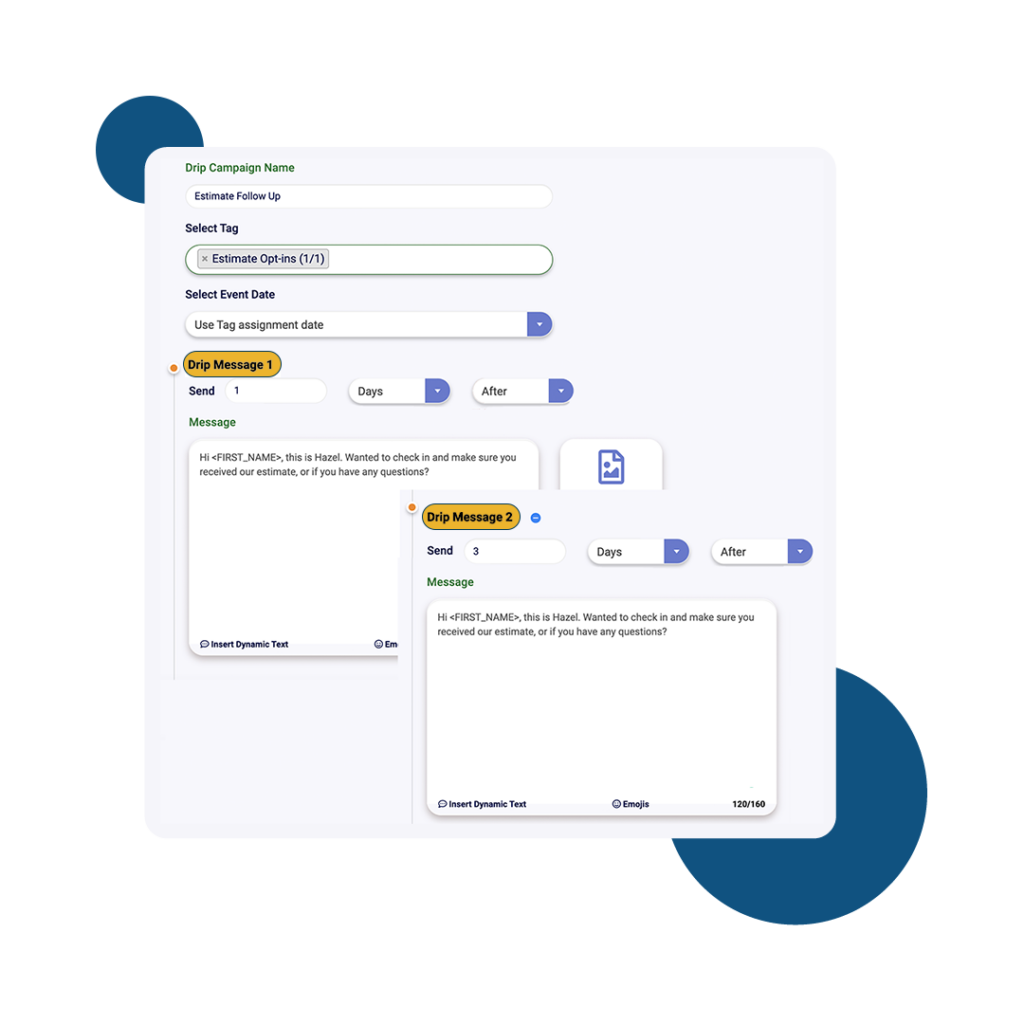
They work by sending a timed series of texts that remind customers of your brand, highlight value, and gently invite them back to browse, purchase, or respond.
These sequences typically rely on customer behavior data, such as last purchase date, last site visit, or previous engagement with campaigns.
When a customer meets certain conditions, for example, no orders in 60 days, the system automatically starts the sequence without manual effort.
Each step in the sequence can reference profile details, past purchases, or stated preferences to keep messages relevant and natural.
This structured approach shapes the final experience so texts feel timely, personalized, and helpful rather than random or intrusive.
Win-Back Sequences Designed to Recover Lost Interest
Win-back sequences are especially useful when customer relationships have cooled but are not completely lost. They shine in situations like lapsed subscription users, inactive loyalty members, or shoppers who abandoned a cart and never returned. A structured sequence makes sure messages arrive at logical intervals, so teams do not rely on ad-hoc outreach that feels disjointed. Each touchpoint can reference recent behavior, preferred products, or membership status, which keeps the SMS content specific and relevant. This targeted context supports clearer communication, because recipients instantly understand why they are being contacted now. Carefully spaced messages also reduce compliance risk by avoiding excessive frequency and documenting how consented contacts are re-approached. In practice, this results in concise, on-topic texts that respect attention while still nudging customers toward renewed interaction.
98%
of texts are read immediately
70%
of consumers want to text businesses
40%
of consumers said they have tried to text a business
Win-Back Sequences Best Practices
Win-back sequences work best when each text has a clear purpose that matches where the customer is in their lapse journey.
Early messages can focus on recognition and context, such as reminding customers what they last interacted with, while later steps can introduce a time-bound offer or updated benefit that feels like a relevant reason to return.
Keeping the tone calm, respectful, and free of pressure helps messages sound professional rather than desperate, especially when contacting customers who have been silent for a long time.
Accurate data is critical, so teams should rely on clean CRM records for last activity dates and preferences to avoid awkward mistakes like referencing items the customer never bought.
Message quality improves when copy is short, specific, and free of slang, so customers can quickly understand why they are receiving the SMS and what has changed since they last engaged.
Operational consistency matters too, so apply the same rules for timing, opt-out handling, frequency caps, and TCPA compliance across all win-back sequences.
Everything You Need to Scale SMS
Read
Our Blog
14 Promotional Message Examples to Capture Customers
Keeping in touch with customers is essential for any business looking to succeed. One of...
The Textellent Messenger is a Chrome extension that lets your team text inside the apps you already use—no code, no tab-switching. View full conversation history, reuse approved templates and media, and keep replies organized in a shared inbox.
Textellent integrates with 800+ apps—CRMs, schedulers, forms, and payment platforms—so data flows in and texts go out at the perfect moment. Map fields once, tag contacts consistently, and keep systems in sync.
Turn common events into automatic SMS touchpoints: new leads, appointments, payments, status changes, and more. Build simple, rules-based flows that send the right text and follow-ups without manual work.
The Franchisor Module gives franchisors clear visibility across locations while empowering franchisees to execute consistent, on-brand texting that drives growth. Scale what works and spot where support is needed—fast.
Keep conversations moving on the go. The Textellent Mobile app brings your shared inbox to iOS & Android with real-time push notifications, quick-reply templates and media, conversation assignment, and full sync to your CRM—so nothing slips through when you’re away from your desk.