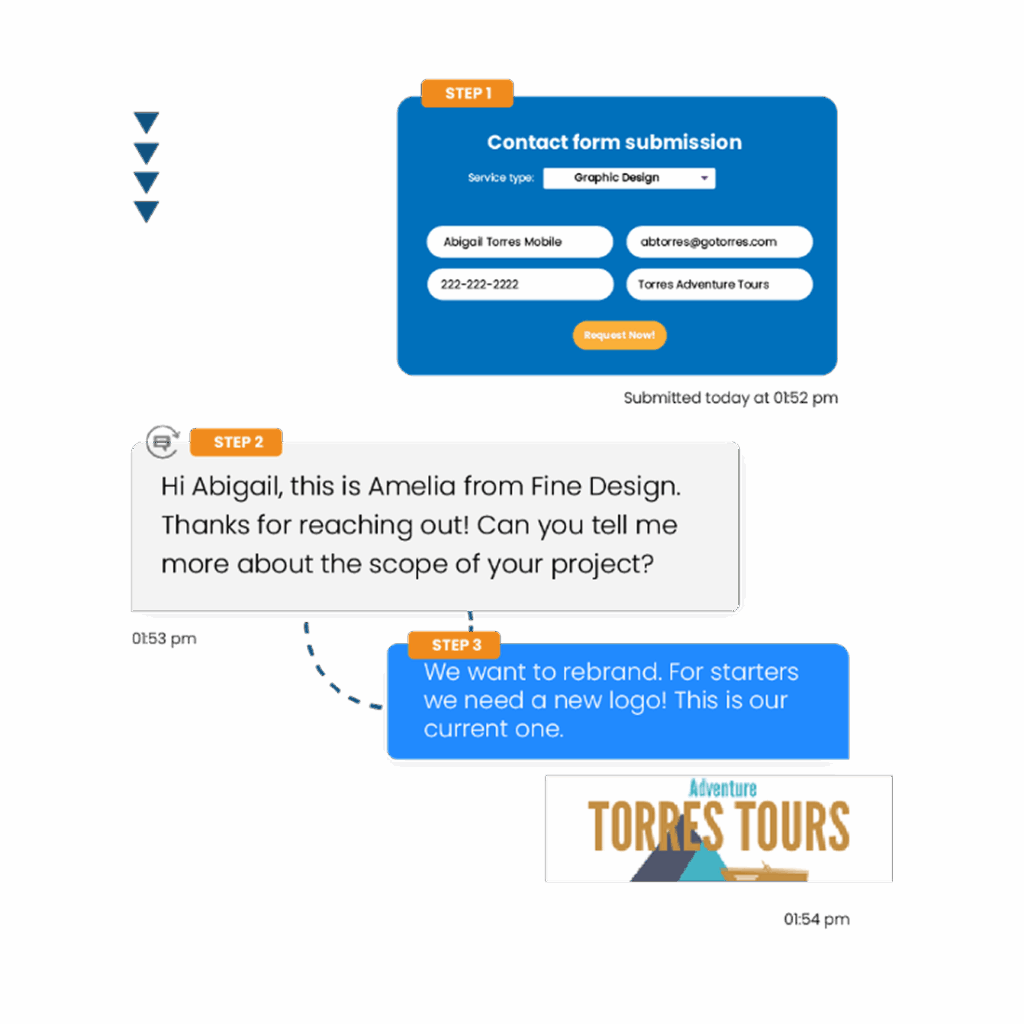
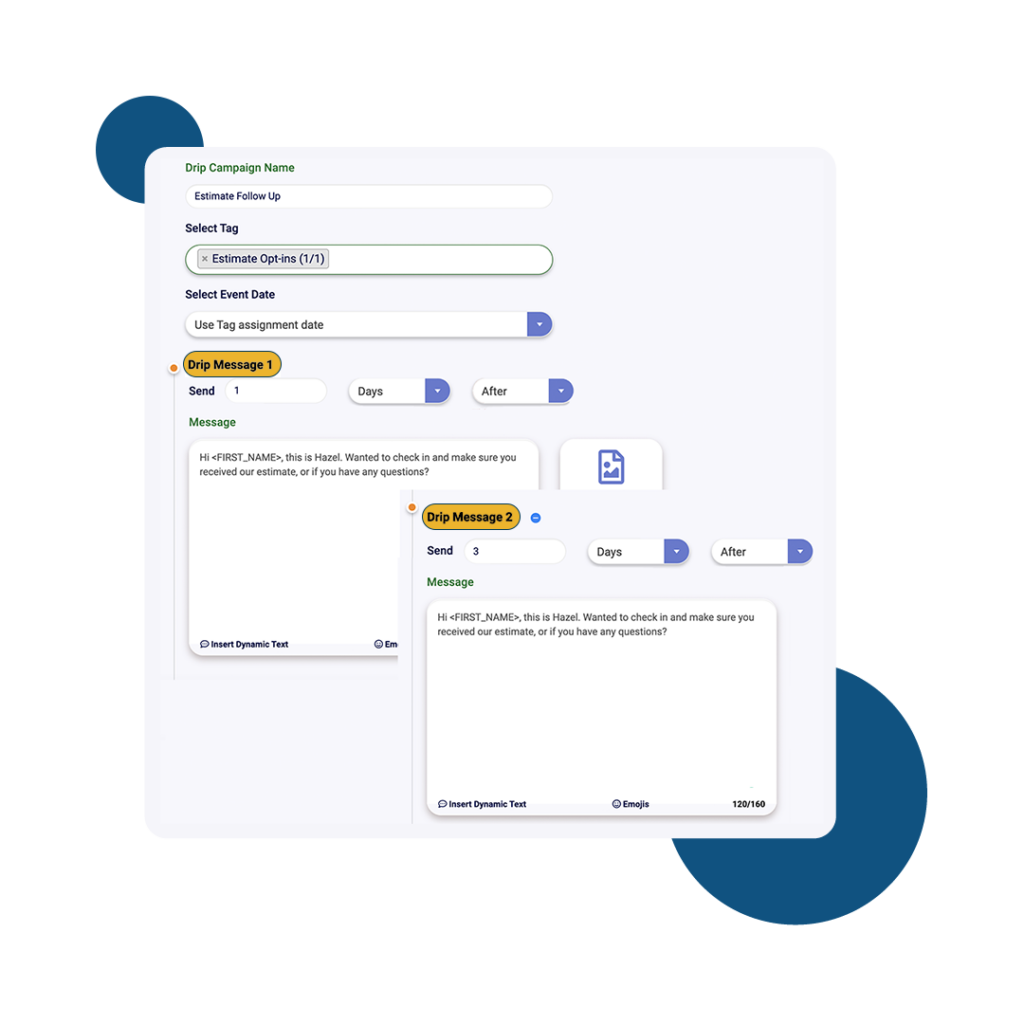
Dynamic SMS fields help businesses send texts that feel specific to each person while still using a single reusable message template. They pull in details like names, dates, or order info so every SMS reads as if it was written individually, without extra manual typing. This guide introduces how dynamic SMS fields work in everyday workflows and when they make sense to use.
Dynamic SMS fields are dynamic placeholders inside an SMS template that automatically pull in specific data for each recipient.
They function by connecting your message content to stored information like contact details, booking data, or account records.
When an SMS is sent, each Dynamic SMS fields tag is replaced with the correct value, so the message feels written for a single person rather than a bulk list.
The process depends on accurate data in your system – for example, a customer’s name, appointment date, or order status.
These fields affect the final message by making it more relevant, readable, and timely without extra manual work.
If some data is missing, many systems use default or fallback text to make sure the message still makes sense to the reader.
When Should You Use Dynamic SMS Fields?
Dynamic SMS fields are most useful when your team needs to send the same type of message to many people, but each person still expects accurate, specific details. They work especially well in time-sensitive communication such as delivery notifications, service updates, or reservation changes where customers rely on correct names, times, and locations. Sales and account management teams can use them to reference recent actions or balances so outreach feels timely and relevant rather than generic. In regulated industries, dynamic SMS fields also support compliance by helping you include required identifiers or disclosures consistently. By tying messages directly to live data, they cut manual editing, reduce errors, and keep conversations clear, targeted, and easier to manage at scale.
98%
of texts are read immediately
70%
of consumers want to text businesses
40%
of consumers said they have tried to text a business
Best Practices for Using Dynamic SMS Fields
Using dynamic SMS fields effectively starts with writing the full message as if you were sending it to one person, then replacing only the truly variable details.
This keeps the text natural and readable, because every placeholder is surrounded by plain language that still feels human once real values appear.
Clarity improves when you avoid stacking too many fields together, especially for times, locations, and prices, since crowded variables can look like system output instead of a helpful note.
Data accuracy relies on clean records, so make sure your CRM, booking tools, and internal databases share consistent formats for names, dates, and reference numbers.
Before turning on a flow, test several records to confirm each dynamic SMS fields placement produces a complete, correct sentence with no stray symbols or gaps.
Professional tone comes from using polite, neutral wording and keeping formatting predictable, rather than mixing informal phrases with highly structured data.
Common pitfalls include leaving fields blank, using the wrong data type, or changing templates without retesting, which can lead to confusing or off-brand messages.
Everything You Need to Scale SMS
Read
Our Blog
March 4, 2026
70+ Common Text Abbreviations and How to Use Them Right
Text abbreviations have become a natural part of how we communicate in digital spaces and real-life conversations. As…
The Textellent Messenger is a Chrome extension that lets your team text inside the apps you already use—no code, no tab-switching. View full conversation history, reuse approved templates and media, and keep replies organized in a shared inbox.
Textellent integrates with 800+ apps—CRMs, schedulers, forms, and payment platforms—so data flows in and texts go out at the perfect moment. Map fields once, tag contacts consistently, and keep systems in sync.
Turn common events into automatic SMS touchpoints: new leads, appointments, payments, status changes, and more. Build simple, rules-based flows that send the right text and follow-ups without manual work.
The Franchisor Module gives franchisors clear visibility across locations while empowering franchisees to execute consistent, on-brand texting that drives growth. Scale what works and spot where support is needed—fast.
Keep conversations moving on the go. The Textellent Mobile app brings your shared inbox to iOS & Android with real-time push notifications, quick-reply templates and media, conversation assignment, and full sync to your CRM—so nothing slips through when you’re away from your desk.
How do dynamic SMS fields personalize messages in Textellent?−
Dynamic SMS fields in Textellent personalize messages by automatically inserting details like each contact's name, appointment time, or service info into SMS templates. They pull data from customer records and integrated CRM tools so every SMS in a bulk send still feels one-to-one. They work within automated workflows, drip campaigns, and reminders to keep messages relevant and timely.
What are dynamic SMS fields used for in business texting?+
Dynamic SMS fields are used in business SMS to automatically insert personalized details like a recipient's name, appointment time, or account information into each message. They help companies send tailored communications at scale while keeping content consistent and accurate. They also make sure data from systems like a CRM or API flows directly into outbound SMS.
Can dynamic SMS fields pull data from my CRM system?+
Yes, dynamic SMS fields can pull data directly from your CRM by using integrated APIs or built-in connectors. They reference specific CRM data points like names, account details, or appointment times to personalize each SMS automatically. Always make sure your integration is configured correctly and complies with relevant data and TCPA requirements.
Can dynamic SMS fields support multiple languages in messages?+
Yes, dynamic SMS fields can support multiple languages in messages. They can pull localized text or customer-specific language preferences from your CRM or database and insert the right content per recipient. To avoid character issues, make sure your platform properly supports UCS-2 for non GMS-7 character sets.