SMS opt-in helps businesses get clear permission to send text messages so conversations feel expected instead of intrusive. It acts as a simple gate that separates people who want specific texts from those who do not, which supports compliance and keeps contact lists focused. This guide outlines how SMS opt-in works in everyday workflows and when it makes practical sense to use it in business texting.
SMS opt-in is a customer’s explicit permission to receive text messages from a business or organization.
It confirms that the person wants to be contacted on their mobile number and understands what type of messages will be sent.
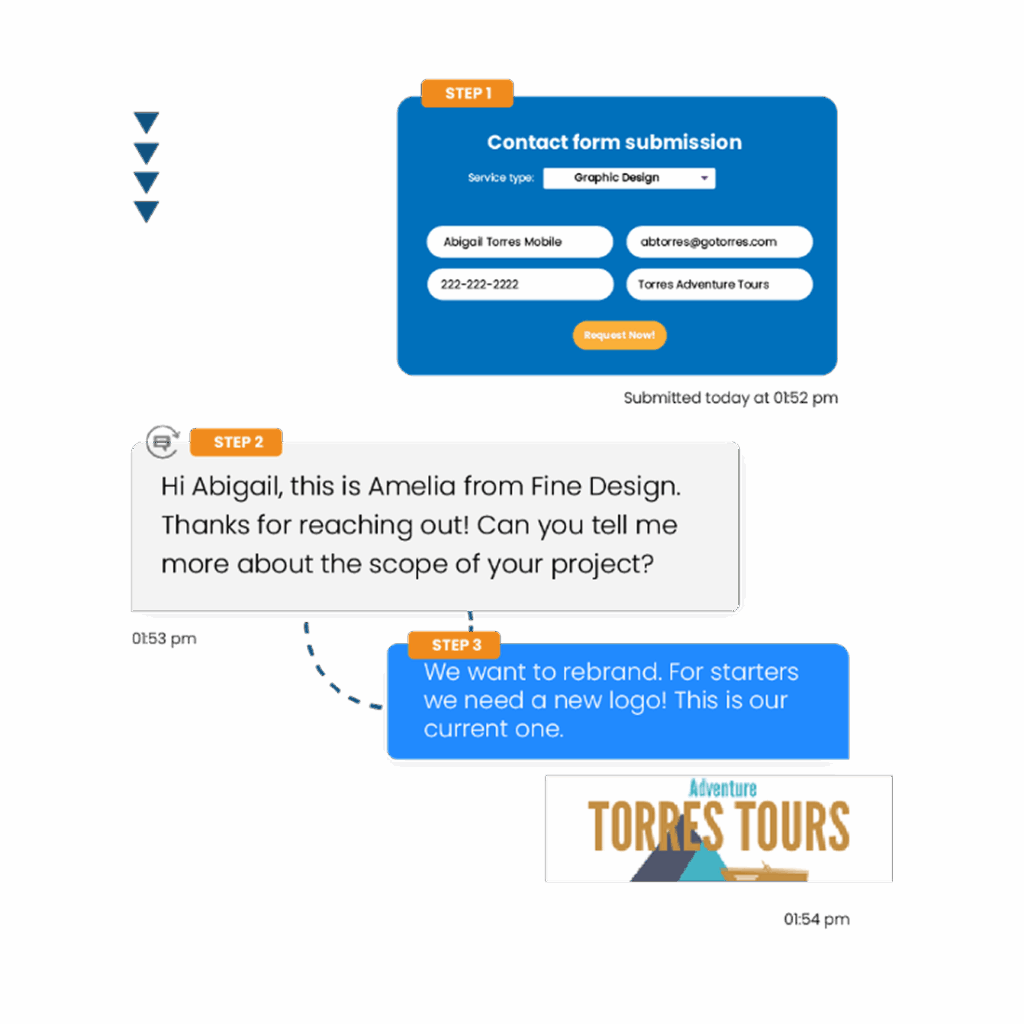
In practice, SMS opt-in usually happens when someone fills out a form, texts a keyword to a number, or agrees to terms during a signup process.
The system records consent details such as phone number, date, time, source, and sometimes the specific message category.
Campaign tools rely on this stored consent to decide who can legally and ethically receive texts.
This process helps filter recipients, reduce spam complaints, and protect user privacy.
As a result, subscribers typically see more relevant, expected messages and feel more in control of their communication experience.
SMS Opt-In: How It Works
SMS opt-in is especially useful when messages are time-sensitive or recurring, such as shipping updates, service alerts, or appointment reminders. It helps set clear expectations so customers know why they are getting texts and how often, which reduces confusion and keeps conversations focused. In retail or hospitality, sms opt-in supports targeted promotions that match prior behavior, making offers feel relevant instead of random. Internal teams also benefit when staff opt in to operational alerts, since consented lists cut down on missed notices and back-and-forth clarification. By starting every relationship with explicit permission, sms opt-in improves deliverability, maintains compliance discipline, and keeps engagement based on trust rather than interruption.
98%
of texts are read immediately
70%
of consumers want to text businesses
40%
of consumers said they have tried to text a business
Best Practices for Using SMS Opt-In
Using SMS opt-in effectively starts with clear, plain language that explains what someone is signing up for, how often messages will arrive, and what kind of content they can expect.
Every confirmation message should restate the purpose, include basic brand identification, and provide a simple way to stop texts so the experience feels transparent and respectful.
In real campaigns, it helps to keep the tone straightforward and professional rather than overly promotional, especially in the first few messages after consent.
Teams should align what is promised during signup with what is actually sent, matching frequency, timing, and topic so subscribers are never surprised or confused.
Accurate data is critical, so contact records, timestamps, and consent sources need to be captured consistently and stored in whatever CRM or database the business uses.
Common pitfalls include mixing opted-in contacts with unrelated lists, sending before consent is logged, or changing message purposes without updating the opt-in language, all of which can damage trust and lead to complaints.
Everything You Need to Scale SMS
Read
Our Blog
14 Promotional Message Examples to Capture Customers
Keeping in touch with customers is essential for any business looking to succeed. One of...
The Textellent Messenger is a Chrome extension that lets your team text inside the apps you already use—no code, no tab-switching. View full conversation history, reuse approved templates and media, and keep replies organized in a shared inbox.
Textellent integrates with 800+ apps—CRMs, schedulers, forms, and payment platforms—so data flows in and texts go out at the perfect moment. Map fields once, tag contacts consistently, and keep systems in sync.
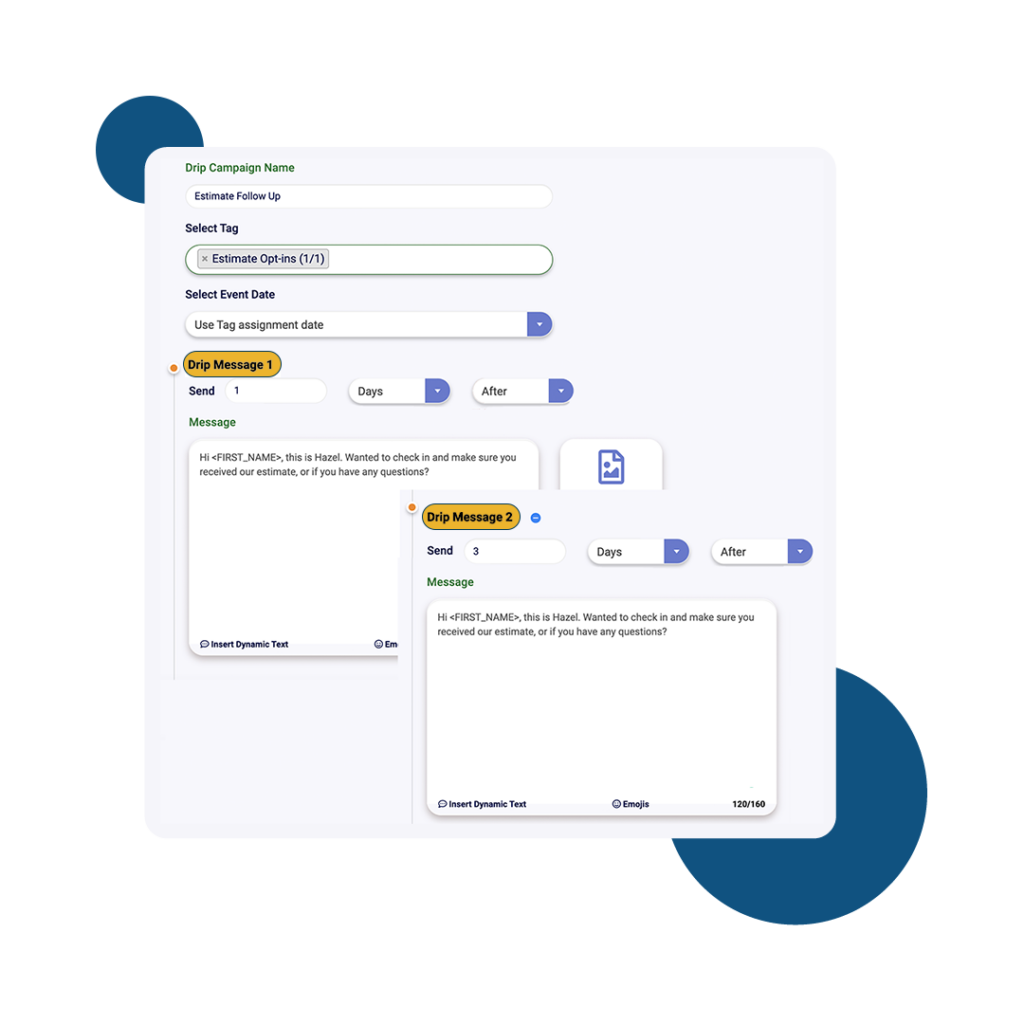
Turn common events into automatic SMS touchpoints: new leads, appointments, payments, status changes, and more. Build simple, rules-based flows that send the right text and follow-ups without manual work.
The Franchisor Module gives franchisors clear visibility across locations while empowering franchisees to execute consistent, on-brand texting that drives growth. Scale what works and spot where support is needed—fast.
Keep conversations moving on the go. The Textellent Mobile app brings your shared inbox to iOS & Android with real-time push notifications, quick-reply templates and media, conversation assignment, and full sync to your CRM—so nothing slips through when you’re away from your desk.