SMS keywords give businesses a simple way to turn incoming texts into automatic actions, so common requests do not need manual handling. They link short phrases to specific replies or workflows, making it easier to route people to the right information or process with a single word. This guide introduces how SMS keywords operate in practice and when they fit into a broader texting strategy.
Sms keywords are short, predefined words or phrases that people text to a specific number to trigger an automatic response or action.
They act as simple commands within SMS communication, telling the system what type of message or workflow to send back.
The system depends on a list of configured keywords, each linked to rules, responses, contact lists, or automated flows stored in the SMS platform.
When a person sends a keyword, the platform reads the incoming message, finds a match in its database, and then follows the matching rule.
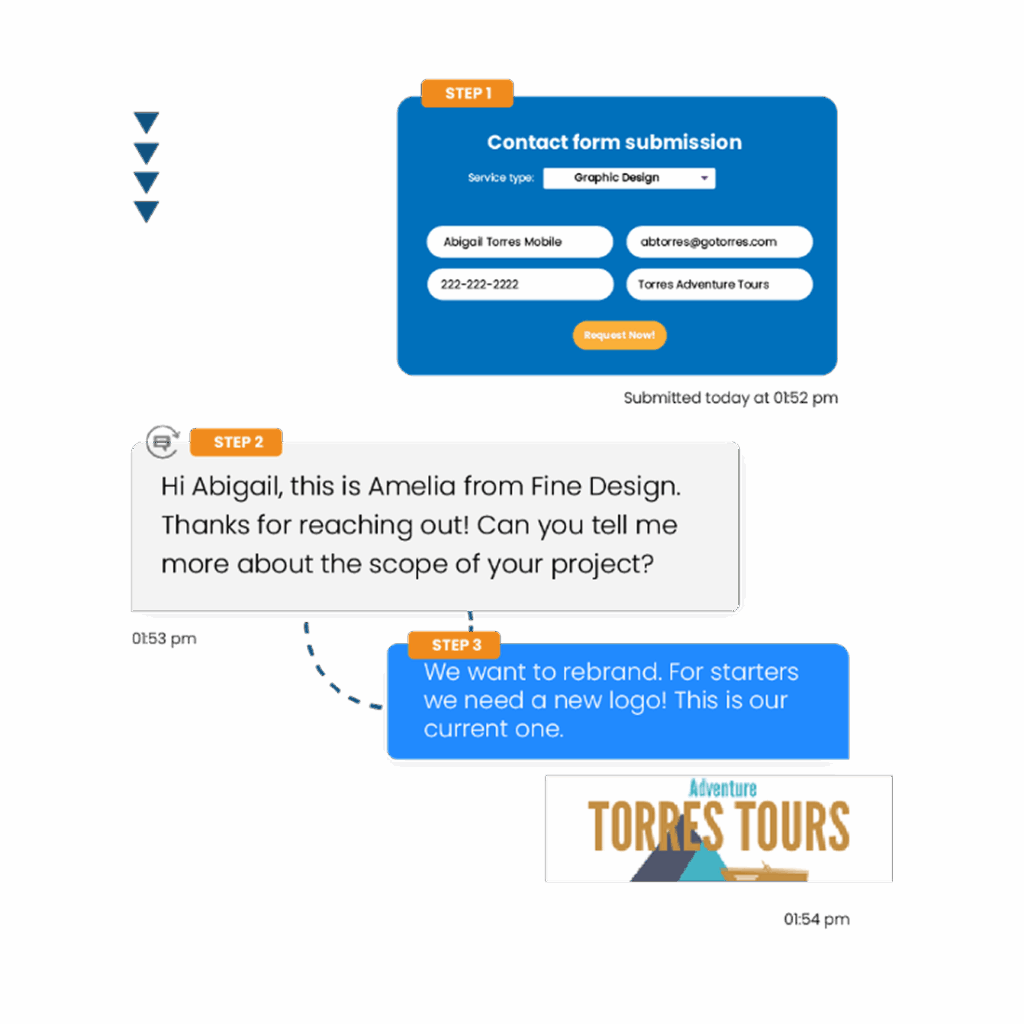
This can subscribe someone to updates, send information, confirm preferences, or start a multi-step conversation.
By turning simple words into actions, sms keywords make sure interactions feel quick, relevant, and easy for both businesses and recipients.
SMS Keywords: How They’re Used
SMS keywords are especially useful when a business needs to route people quickly to the right information without staff involvement. They work well for things like event check-ins, where attendees text a keyword on arrival to receive directions, schedules, or last-minute updates. Support teams use SMS keywords to separate urgent issues from general questions, so high-priority cases are surfaced faster and agents get the context they need. SMS keywords also help with compliance and preference management, since contacts can clearly control what they receive by texting specific terms instead of navigating web forms. Used thoughtfully, they keep conversations organized, reduce back-and-forth, and make automated replies feel timely and relevant to each situation.
98%
of texts are read immediately
70%
of consumers want to text businesses
40%
of consumers said they have tried to text a business
Best Practices for Using SMS Keywords
Using SMS keywords effectively starts with writing them to match how people naturally speak while still being distinct from each other.
Short, memorable terms help reduce input errors, but they should not be so similar that the system confuses one keyword with another.
In real conversations, it helps to explain the keyword directly in the message, such as stating what will happen when someone replies with a specific word.
Clear confirmation replies are important so contacts immediately understand which keyword was received and what it triggered.
Operational consistency matters too, so the same keyword should behave the same way across all campaigns and teams.
Keeping data accurate in your CRM or contact database supports reliable routing, reporting, and follow-up after each keyword interaction.
Common pitfalls include using internal jargon, changing meanings without notice, or relying on keywords that are hard to spell.
Testing sample messages and edge cases before launch helps catch confusing phrasing, misrouted flows, and tone that feels robotic or abrupt.
Everything You Need to Scale SMS
Read
Our Blog
14 Promotional Message Examples to Capture Customers
Keeping in touch with customers is essential for any business looking to succeed. One of...
The Textellent Messenger is a Chrome extension that lets your team text inside the apps you already use—no code, no tab-switching. View full conversation history, reuse approved templates and media, and keep replies organized in a shared inbox.
Textellent integrates with 800+ apps—CRMs, schedulers, forms, and payment platforms—so data flows in and texts go out at the perfect moment. Map fields once, tag contacts consistently, and keep systems in sync.
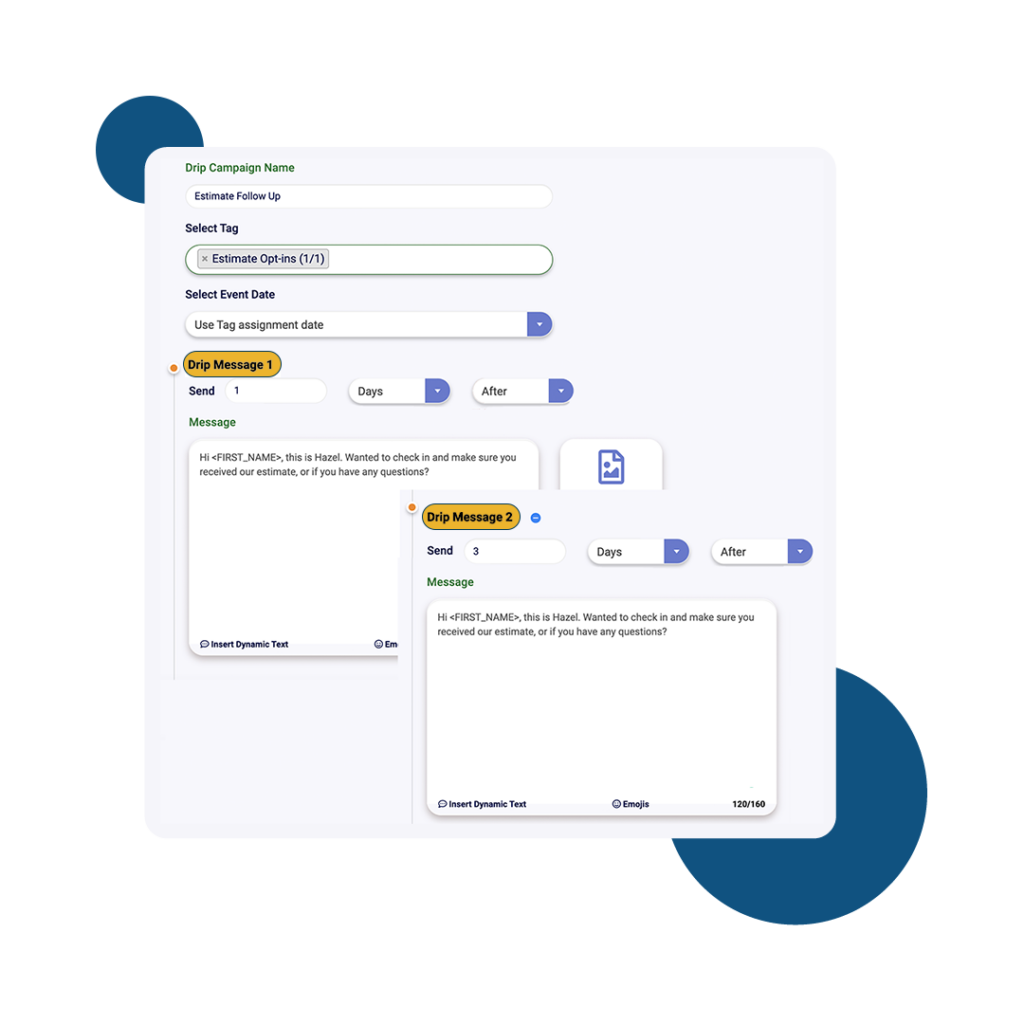
Turn common events into automatic SMS touchpoints: new leads, appointments, payments, status changes, and more. Build simple, rules-based flows that send the right text and follow-ups without manual work.
The Franchisor Module gives franchisors clear visibility across locations while empowering franchisees to execute consistent, on-brand texting that drives growth. Scale what works and spot where support is needed—fast.
Keep conversations moving on the go. The Textellent Mobile app brings your shared inbox to iOS & Android with real-time push notifications, quick-reply templates and media, conversation assignment, and full sync to your CRM—so nothing slips through when you’re away from your desk.