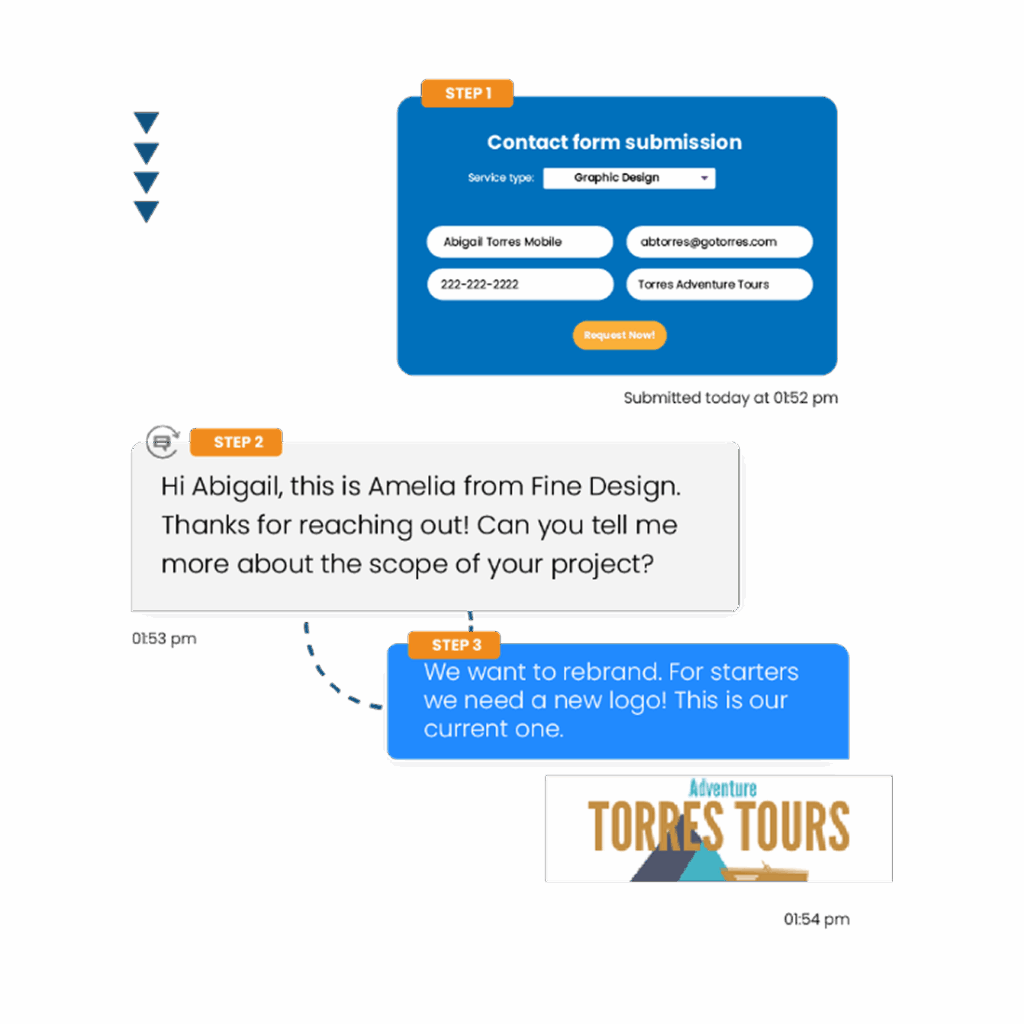
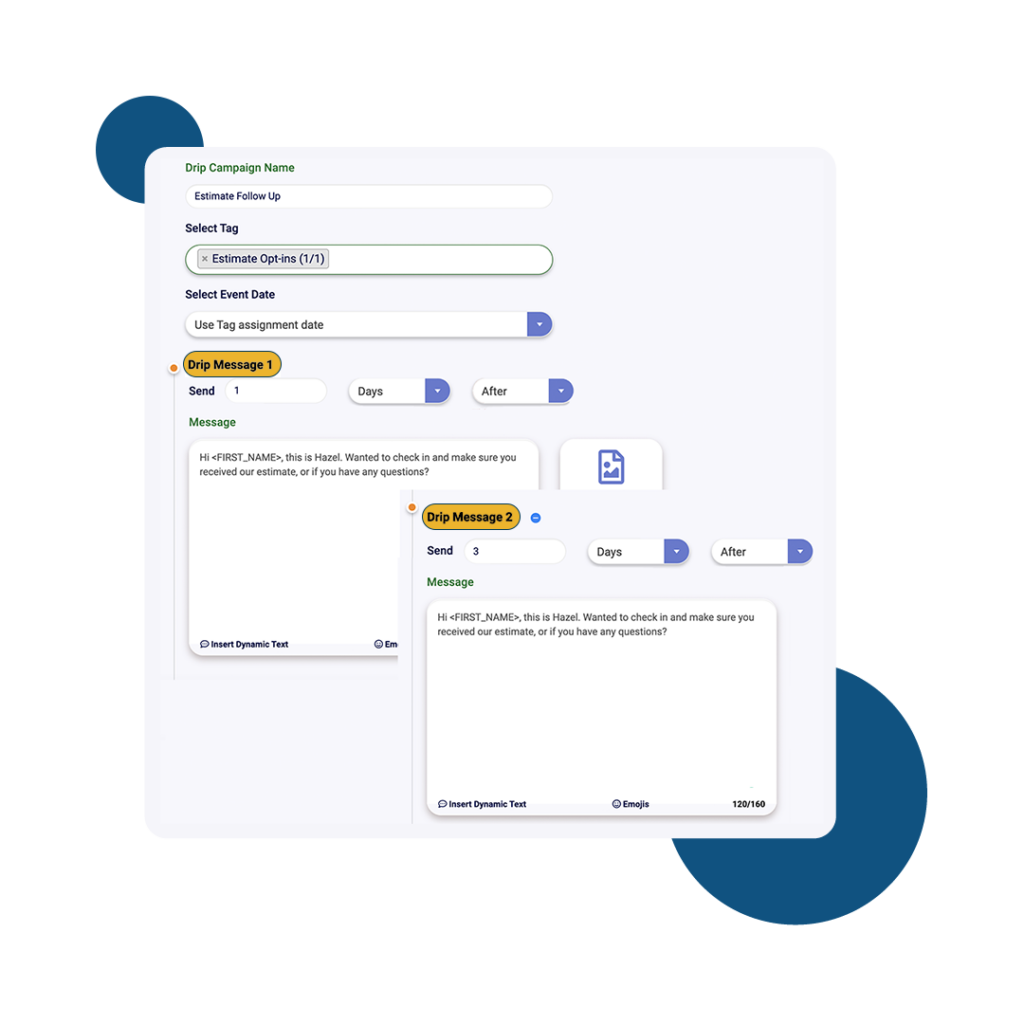
Scheduling conflicts in business SMS help prevent multiple texts from colliding in a way that clutters a customer’s inbox or muddles the message. By catching and managing overlapping send times, they keep conversations orderly so each text lands with a clear purpose and context. This guide outlines how scheduling conflicts operate in practice and when it makes sense to rely on them in your messaging workflows.
Scheduling conflicts are situations where two or more SMS messages are set to send at overlapping times in a way that could confuse or overwhelm the recipient.
They occur when campaigns, automations, or reminders are scheduled without checking how they line up with existing messages in the system.
Within SMS communication, scheduling conflicts function as a control point that detects these overlaps before messages go out to customers.
The system depends on send times, recipient lists, time zones, campaign priorities, and any automation rules that might trigger additional texts.
By comparing this data, it can pause, reschedule, or prioritize messages so recipients are not hit with cluttered or contradictory information.
This helps keep each message timely, readable, and relevant, which improves the overall user experience.
Why Scheduling Conflicts Break Message Timing
Scheduling conflicts are especially important when multiple teams or systems are texting the same customers for different reasons. They help coordinate messages from marketing, support, and operations so a promotional SMS does not land right after a payment warning or a sensitive service update. In practice, this keeps timelines cleaner, reduces contradictory information, and makes sure recipients understand which message matters most. Scheduling conflicts also support compliance by limiting frequency spikes that might look like spam or violate internal communication rules. By resolving overlaps before send time, businesses can keep conversations focused, preserve brand tone across departments, and deliver texts that feel deliberate instead of chaotic.
98%
of texts are read immediately
70%
of consumers want to text businesses
40%
of consumers said they have tried to text a business
Scheduling Conflict Best Practices
Handling scheduling conflicts effectively starts with having a clear plan for who sends what and when across your SMS programs.
Teams should agree on simple rules for timing, frequency, and priority so that marketing, support, and operations are not working from separate playbooks.
In practice, this means mapping common journeys and deciding which messages are essential, which are optional, and which should automatically be delayed if something more urgent is scheduled.
Data accuracy underpins all of this, since conflicts are often resolved based on time zones, customer segments, and previous activity.
Keeping your CRM records, opt-in status, and preference data current makes it easier to trust automated decisions about which SMS goes first.
Tone and content also matter when conflicts are resolved, because a rescheduled message should still read naturally and reference the most recent known customer context.
Common pitfalls include ignoring manual sends, letting each team configure its own rules in isolation, and failing to review conflict logs to spot recurring issues.
Everything You Need to Scale SMS
Read
Our Blog
14 Promotional Message Examples to Capture Customers
Keeping in touch with customers is essential for any business looking to succeed. One of...
The Textellent Messenger is a Chrome extension that lets your team text inside the apps you already use—no code, no tab-switching. View full conversation history, reuse approved templates and media, and keep replies organized in a shared inbox.
Textellent integrates with 800+ apps—CRMs, schedulers, forms, and payment platforms—so data flows in and texts go out at the perfect moment. Map fields once, tag contacts consistently, and keep systems in sync.
Turn common events into automatic SMS touchpoints: new leads, appointments, payments, status changes, and more. Build simple, rules-based flows that send the right text and follow-ups without manual work.
The Franchisor Module gives franchisors clear visibility across locations while empowering franchisees to execute consistent, on-brand texting that drives growth. Scale what works and spot where support is needed—fast.
Keep conversations moving on the go. The Textellent Mobile app brings your shared inbox to iOS & Android with real-time push notifications, quick-reply templates and media, conversation assignment, and full sync to your CRM—so nothing slips through when you’re away from your desk.