Lead scoring helps teams using business texting quickly understand which contacts are most likely to respond or move forward, so texts feel timely instead of random. By turning past behavior and basic profile details into a simple ranking, Lead scoring makes sure busy SMS workflows focus on the right people at the right moments. This guide explains how Lead scoring fits into everyday SMS conversations and when it makes practical sense to rely on it.
Lead scoring is a method of assigning a numeric value to each contact based on how likely they are to respond, convert, or stay engaged.
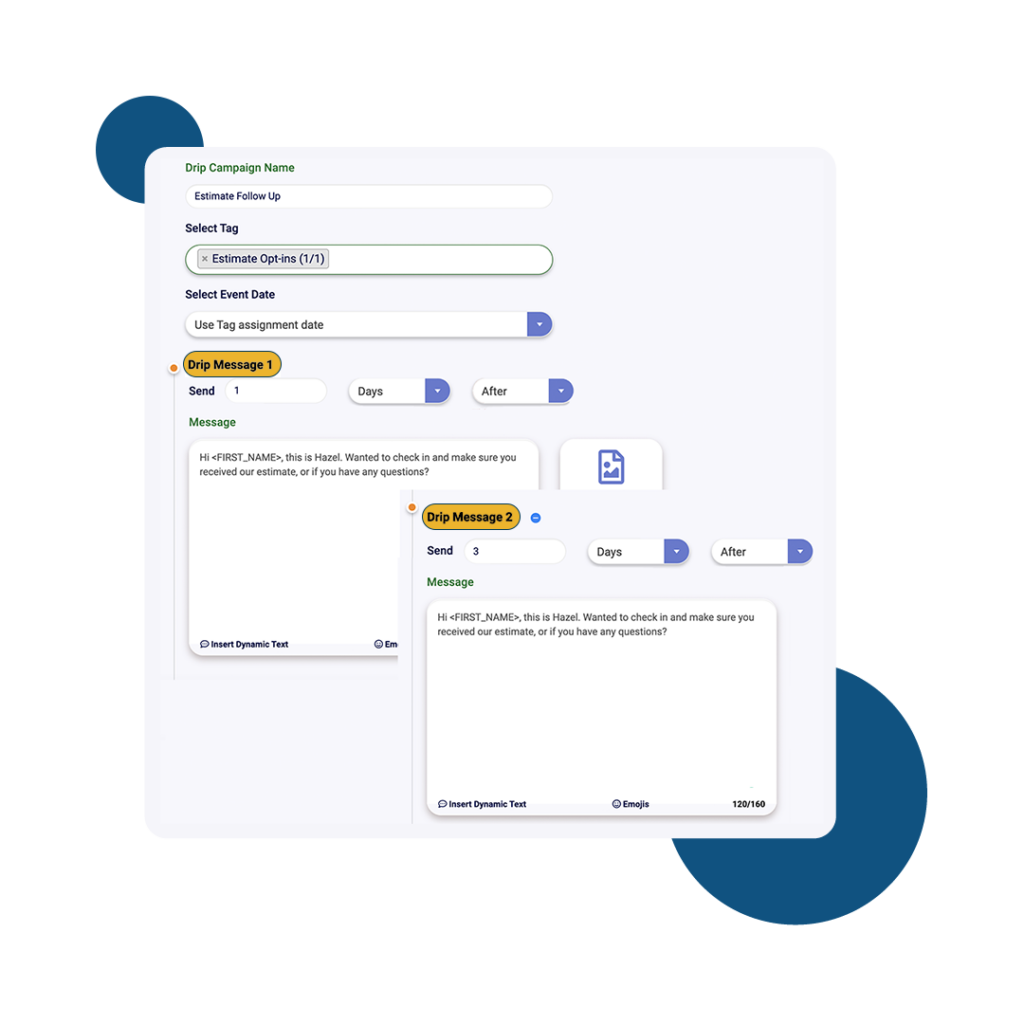
In SMS communication, lead scoring runs in the background while contacts receive messages, quietly ranking them according to their behavior and profile.
The system looks at data like past replies, link clicks, opt-in source, demographics, and purchase or browsing history, then combines these into a single score.
Many setups also factor in message-level activity, such as how quickly a person replies or how often they ignore texts, to keep scores updated over time.
These scores help decide who receives which type of SMS, how often they are contacted, and what tone or content is used.
As a result, low-interest contacts are protected from overload, while high-potential leads get more relevant, timely conversations.
How to Use Lead Scoring to Prioritize SMS Outreach
Lead scoring is especially useful when SMS volume is high and teams need a clear way to decide who should hear from them first. Sales and support reps can quickly see which contacts are ready for a direct text conversation, and which should stay in slower nurture flows. This reduces guesswork, cuts down on repetitive outreach, and helps staff focus on the people most likely to respond right now. It also improves personalization, because different scores can trigger different scripts, cadences, and levels of detail. Compliance benefits as well, since low-engagement contacts can be contacted less frequently, making it easier to respect preferences and avoid fatigue.
98%
of texts are read immediately
70%
of consumers want to text businesses
40%
of consumers said they have tried to text a business
Lead Scoring Best Practices
Lead scoring works best in real SMS workflows when each score directly drives a clear next step, such as which template to use or how soon to send a follow-up.
Scores should translate into simple, repeatable rules that your team understands, so two people reviewing the same contact would reasonably choose the same type of message and timing.
To keep scoring reliable, make sure the underlying data is complete and current, with reply history, opt-in details, and key profile fields checked regularly for errors or gaps.
Inconsistent or outdated data can skew scores and lead to awkward texts, like urgent prompts to contacts who have recently gone cold or already completed a purchase.
Message tone should reflect the score without becoming pushy – higher scored contacts might receive more direct, time-specific offers, while lower scored contacts stay on lighter, informational flows.
A common pitfall is changing rules too often or letting individual staff override scores based on instinct, which slowly erodes trust in the system and makes performance harder to interpret.
Everything You Need to Scale SMS
Read
Our Blog
14 Promotional Message Examples to Capture Customers
Keeping in touch with customers is essential for any business looking to succeed. One of...
The Textellent Messenger is a Chrome extension that lets your team text inside the apps you already use—no code, no tab-switching. View full conversation history, reuse approved templates and media, and keep replies organized in a shared inbox.
Textellent integrates with 800+ apps—CRMs, schedulers, forms, and payment platforms—so data flows in and texts go out at the perfect moment. Map fields once, tag contacts consistently, and keep systems in sync.
Turn common events into automatic SMS touchpoints: new leads, appointments, payments, status changes, and more. Build simple, rules-based flows that send the right text and follow-ups without manual work.
The Franchisor Module gives franchisors clear visibility across locations while empowering franchisees to execute consistent, on-brand texting that drives growth. Scale what works and spot where support is needed—fast.
Keep conversations moving on the go. The Textellent Mobile app brings your shared inbox to iOS & Android with real-time push notifications, quick-reply templates and media, conversation assignment, and full sync to your CRM—so nothing slips through when you’re away from your desk.