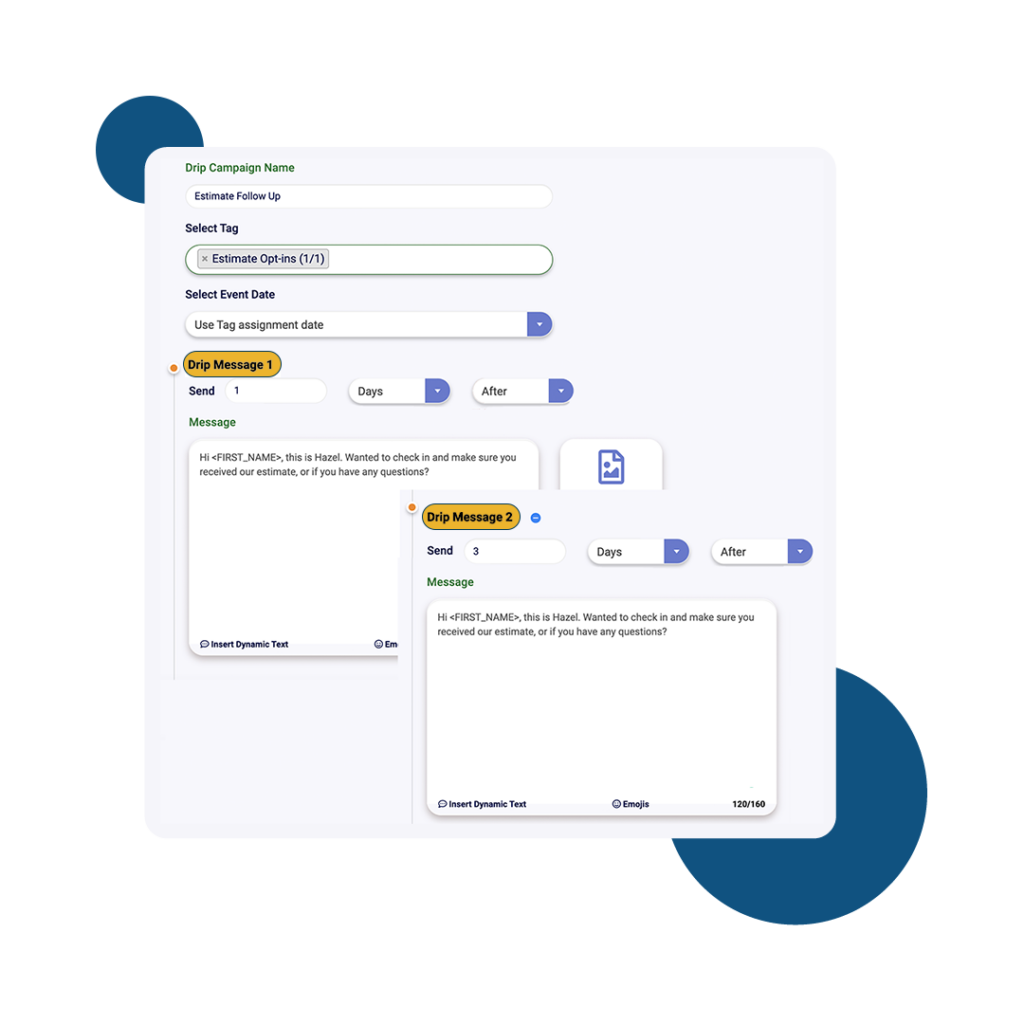
Improving SMS conversion rates describes how often a text message leads to a specific outcome, like a reply, booking, or purchase. It helps businesses turn routine SMS traffic into clearer, more useful interactions that feel relevant rather than random or repetitive. This guide outlines how improving SMS conversion rates fits into everyday campaigns and when focusing on it brings the most practical value.
Improving SMS conversion rates means increasing the number of recipients who take a desired action after reading a text message, such as clicking a link or replying.
It focuses on making each message clearer, more relevant, and better timed so that people are more likely to respond positively.
Improving SMS conversion rates works by analyzing how subscribers interact with texts, then adjusting elements like wording, length, timing, and audience segments.
It depends on data such as open rates, click-throughs, opt-outs, purchase history, and previous campaign results to guide those adjustments.
That information is used to refine message content, choose better offers, and send texts at moments when customers are most receptive.
The result is a smoother, more useful user experience where texts feel timely, personal, and worth reading rather than intrusive or repetitive.
Applying Optimization Techniques to Boost SMS Conversion Rates
Applying optimization techniques is especially useful when campaigns have decent list size but inconsistent responses, such as retail promos, appointment reminders, renewal notices, or abandoned cart flows. In these situations, Improving SMS conversion rates helps teams test subject lines, calls to respond, and timing so that each message is easier to skim and act on. It also lets businesses refine segments based on behavior, which makes offers and updates feel more personal without adding manual work for staff. Compliance benefits too, since reviewing performance often highlights confusing language around consent or opt-out instructions that needs tightening. Over time, these small, data-informed adjustments make conversations smoother, cut wasted sends, and keep engagement strong across different campaigns and seasons.
98%
of texts are read immediately
70%
of consumers want to text businesses
40%
of consumers said they have tried to text a business
Improving SMS Conversion Rates Through Best Practices
Improving SMS conversion rates becomes practical when each message has a single purpose that is obvious at a glance.
In real conversations, this means keeping texts short, front-loading the key detail, and using plain language so recipients never wonder what you want them to do next.
Clarity also depends on accurate data, so teams should connect their SMS tools with reliable CRM records and regularly spot-check sample messages with real field values.
Testing messages with real examples reveals awkward phrasing, broken links, or wrong names before those errors reach customers and damage trust.
A consistent tone makes automated flows feel like part of one ongoing relationship rather than a mix of disconnected voices.
Using the same style, level of formality, and brand vocabulary across alerts, reminders, and follow-ups helps conversations feel steady and professional.
Common pitfalls include over-messaging, vague wording, and ignoring opt-outs, which can frustrate recipients and trigger compliance issues under frameworks like TCPA.
Teams that document templates, review performance regularly, and adjust based on response patterns keep operations predictable while still improving SMS conversion rates over time.
Everything You Need to Scale SMS
Read
Our Blog
14 Promotional Message Examples to Capture Customers
Keeping in touch with customers is essential for any business looking to succeed. One of...
The Textellent Messenger is a Chrome extension that lets your team text inside the apps you already use—no code, no tab-switching. View full conversation history, reuse approved templates and media, and keep replies organized in a shared inbox.
Textellent integrates with 800+ apps—CRMs, schedulers, forms, and payment platforms—so data flows in and texts go out at the perfect moment. Map fields once, tag contacts consistently, and keep systems in sync.
Turn common events into automatic SMS touchpoints: new leads, appointments, payments, status changes, and more. Build simple, rules-based flows that send the right text and follow-ups without manual work.
The Franchisor Module gives franchisors clear visibility across locations while empowering franchisees to execute consistent, on-brand texting that drives growth. Scale what works and spot where support is needed—fast.
Keep conversations moving on the go. The Textellent Mobile app brings your shared inbox to iOS & Android with real-time push notifications, quick-reply templates and media, conversation assignment, and full sync to your CRM—so nothing slips through when you’re away from your desk.