Contact enrichment validation issues describe problems that arise when extra details on a contact record do not line up with what the messaging system expects. They matter in business texting because inaccurate or incomplete fields can quietly break personalization, segmentation, and timing in bulk or automated SMS programs. This guide outlines how these issues show up in real SMS workflows, what they affect, and when teams should focus on resolving them.
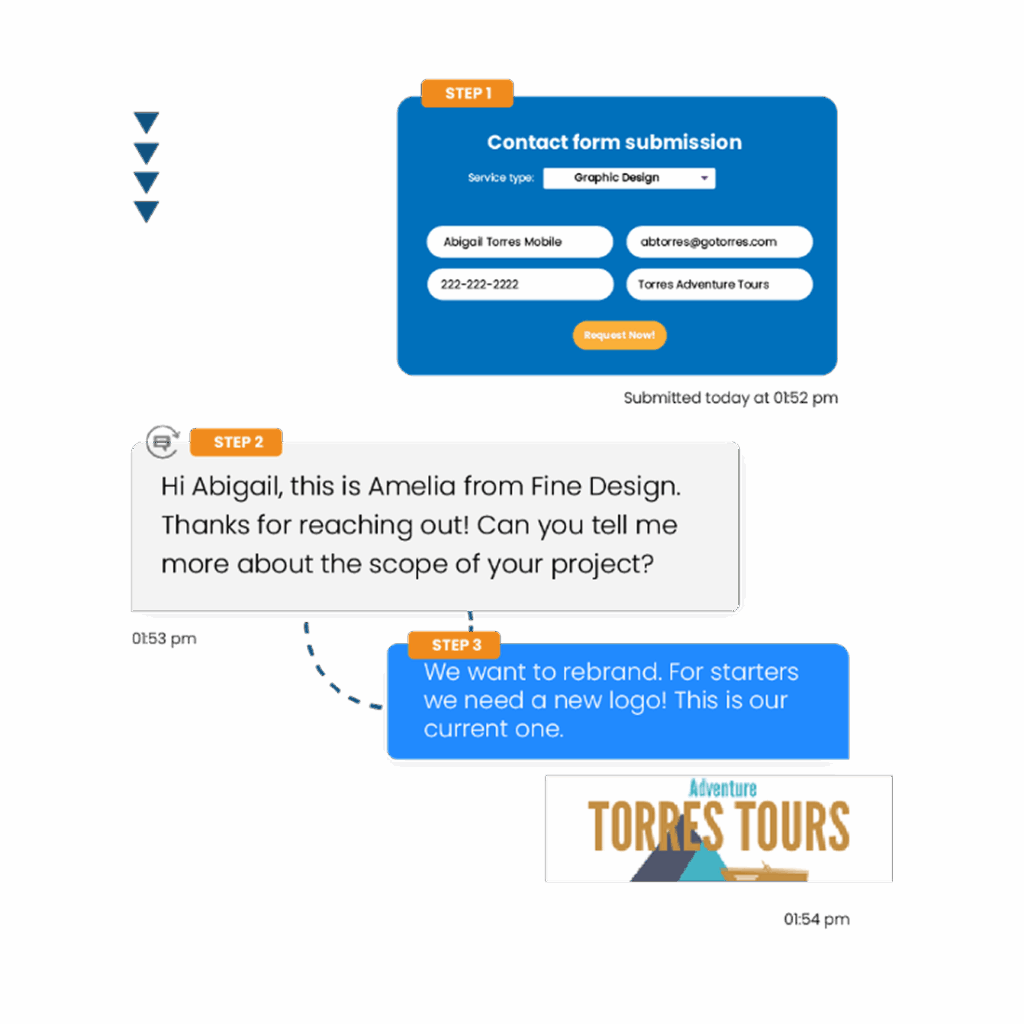
Contact enrichment validation issues occur when the system cannot correctly match or verify extra data being added to a contact, such as name, segment, or custom attributes.
In SMS communication, enrichment runs in the background before sending, checking that each contact’s additional details are accurate, formatted correctly, and linked to the right record.
It depends on the quality of your contact database, integration settings, mapping rules, and any third-party data sources used to supplement contact information.
If validation fails, some fields may not populate, messages might show blank or incorrect values, or certain contacts might be skipped entirely.
This directly affects the final SMS by reducing personalization, causing confusing content, and potentially weakening the overall experience for the recipient.
Why Contact Enrichment Fails and How to Correct the Data
Contact enrichment fails are especially visible when teams rely heavily on segmentation for product updates, renewals, or location-based offers. In these cases, contact enrichment validation issues help identify when a field is outdated, conflicting, or mapped incorrectly, so the right customers receive the right SMS at the right time. This improves clarity by preventing mismatched names, wrong store locations, or irrelevant promotions that confuse recipients. It also boosts efficiency, because operations and marketing teams spend less time hunting down bad data and more time sending accurate messages. Corrected enrichment supports better personalization, stronger compliance with consent rules, and more consistent engagement across campaigns and triggered notifications.
98%
of texts are read immediately
70%
of consumers want to text businesses
40%
of consumers said they have tried to text a business
Contact Enrichment Validation Best Practices
Contact enrichment validation issues should be handled as part of the everyday messaging workflow, not only during troubleshooting.
Teams can make sure that new contact data from forms, imports, or support tickets is checked for format and completeness before it is allowed into the main CRM.
In practice, that means validating numbers, country codes, and key profile fields early, then running small test SMS sends to confirm that names, segments, and attributes display correctly for real contacts.
A clear and professional tone depends on having reliable data behind it, so writers should review sample messages using actual records rather than generic placeholders.
If anything looks awkward or inconsistent, such as missing names or mismatched locations, the problem usually lies in contact enrichment validation issues rather than copywriting.
Common pitfalls include trusting unverified third-party feeds, changing field mappings without retesting, and letting multiple teams edit contact attributes without shared standards.
Consistent rules for data entry, regular spot checks, and simple internal guidelines on tone and formatting help keep messages accurate, readable, and stable across every SMS program.
Everything You Need to Scale SMS
Read
Our Blog
14 Promotional Message Examples to Capture Customers
Keeping in touch with customers is essential for any business looking to succeed. One of...
The Textellent Messenger is a Chrome extension that lets your team text inside the apps you already use—no code, no tab-switching. View full conversation history, reuse approved templates and media, and keep replies organized in a shared inbox.
Textellent integrates with 800+ apps—CRMs, schedulers, forms, and payment platforms—so data flows in and texts go out at the perfect moment. Map fields once, tag contacts consistently, and keep systems in sync.
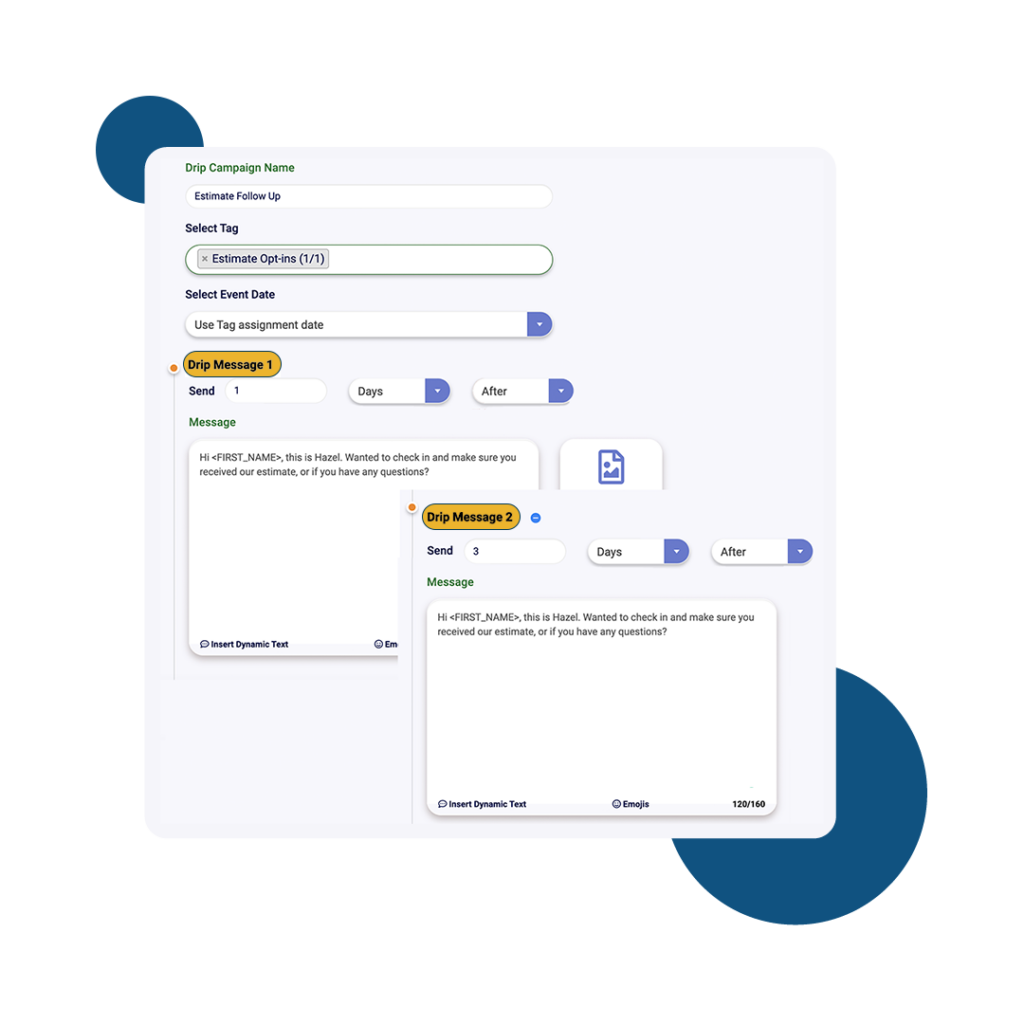
Turn common events into automatic SMS touchpoints: new leads, appointments, payments, status changes, and more. Build simple, rules-based flows that send the right text and follow-ups without manual work.
The Franchisor Module gives franchisors clear visibility across locations while empowering franchisees to execute consistent, on-brand texting that drives growth. Scale what works and spot where support is needed—fast.
Keep conversations moving on the go. The Textellent Mobile app brings your shared inbox to iOS & Android with real-time push notifications, quick-reply templates and media, conversation assignment, and full sync to your CRM—so nothing slips through when you’re away from your desk.