Template variables help businesses send SMS that feel specific to each recipient while still using a single, reusable message template. By swapping simple placeholders with details like names, dates, or order information, they keep texts relevant without constant manual editing. This guide outlines how template variables fit into everyday business texting and when they make the most practical sense to use.
Template variables are dynamic placeholders inside an SMS template that represent values which will be filled in at send time.
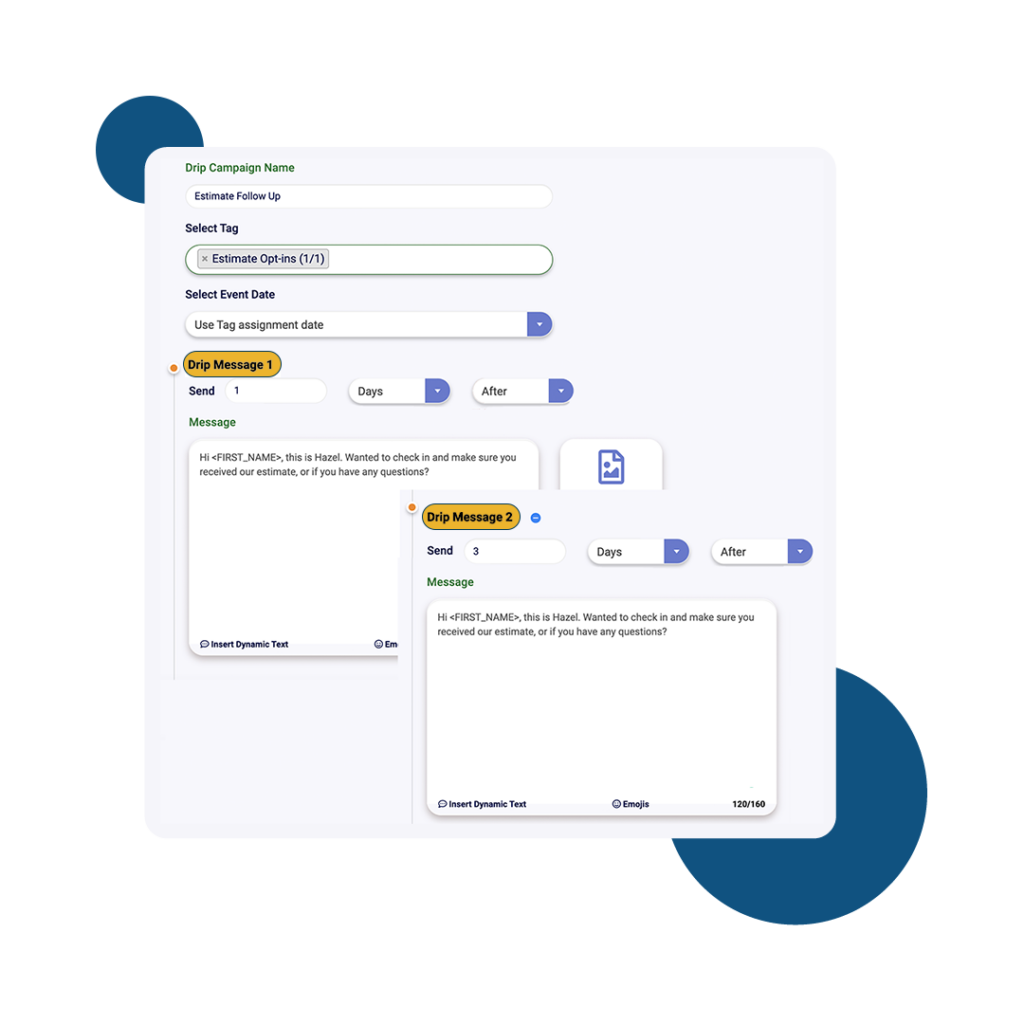
They work by connecting each placeholder to specific data in your system, such as contact details, booking information, or account status.
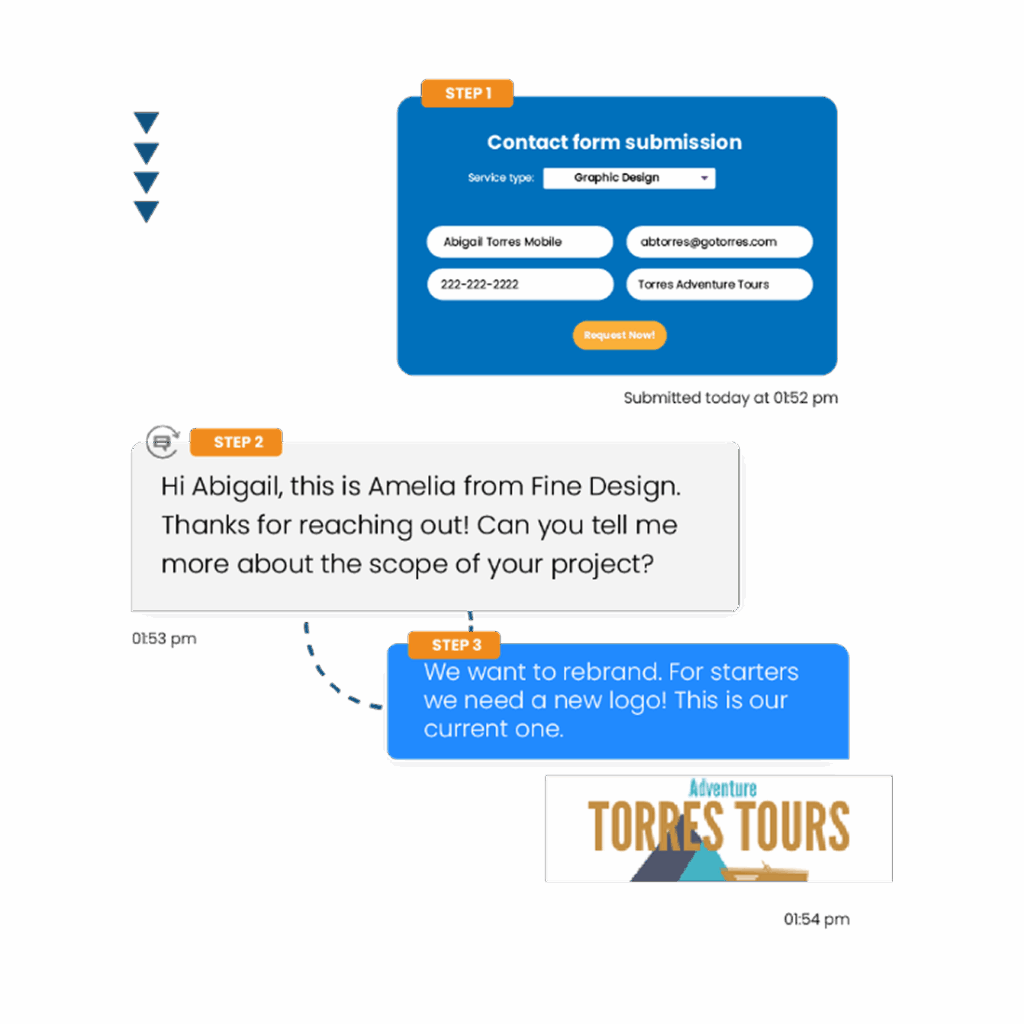
When an SMS is sent, the platform reads the template, looks up the relevant data for each recipient, and swaps each Template variables placeholder with the right value.
This process depends on accurate, up-to-date records in your database or CRM, along with correct mapping between each field and its matching Template variables tag.
The result is that one template can generate many personalized messages, so customers see content that feels direct, relevant, and consistent without extra manual effort.
Template Variables and How They Personalize Messages
Template variables shine in recurring conversations where the core message is consistent but key details change for each recipient. They are especially helpful in service confirmations, delivery notices, and follow-ups, where including the correct time, location, or reference number reduces confusion and cuts back on back-and-forth replies. Using template variables also speeds up internal workflows, since teams can rely on a single approved template rather than rewriting similar texts for each customer. Compliance and brand consistency benefit too, because legal or regulated language stays fixed while only safe, pre-defined fields are inserted dynamically. This balance of structure and personalization helps messages feel relevant and timely without sacrificing clarity or control.
98%
of texts are read immediately
70%
of consumers want to text businesses
40%
of consumers said they have tried to text a business
Best Practices for Template Variables
Using template variables effectively starts with writing the base message so it still reads clearly even before any data is inserted.
Each placeholder should represent information that genuinely matters to the recipient, such as a key date, time, or reference, rather than minor details that add noise.
Clarity improves when you write full example messages with sample values to check that spacing, punctuation, and sentence flow remain natural once the data is merged.
Professional tone comes from keeping language polite, concise, and consistent across teams so that automated SMS feel like part of one brand voice.
Data accuracy is critical, so businesses should regularly review how Template variables map to their records and retire fields that are incomplete or unreliable.
A common mistake is mixing informal text with highly formal variables, which can make the message feel disjointed or even untrustworthy.
Another pitfall is using fallback text poorly, leading to awkward phrases if a field is empty or contains unexpected formatting.
Operational consistency improves when teams document which Template variables are approved, what each field contains, and how they should appear in different message types.
Everything You Need to Scale SMS
Read
Our Blog
14 Promotional Message Examples to Capture Customers
Keeping in touch with customers is essential for any business looking to succeed. One of...
The Textellent Messenger is a Chrome extension that lets your team text inside the apps you already use—no code, no tab-switching. View full conversation history, reuse approved templates and media, and keep replies organized in a shared inbox.
Textellent integrates with 800+ apps—CRMs, schedulers, forms, and payment platforms—so data flows in and texts go out at the perfect moment. Map fields once, tag contacts consistently, and keep systems in sync.
Turn common events into automatic SMS touchpoints: new leads, appointments, payments, status changes, and more. Build simple, rules-based flows that send the right text and follow-ups without manual work.
The Franchisor Module gives franchisors clear visibility across locations while empowering franchisees to execute consistent, on-brand texting that drives growth. Scale what works and spot where support is needed—fast.
Keep conversations moving on the go. The Textellent Mobile app brings your shared inbox to iOS & Android with real-time push notifications, quick-reply templates and media, conversation assignment, and full sync to your CRM—so nothing slips through when you’re away from your desk.