Two-way routing helps business texting feel like a real conversation by handling both outgoing SMS and incoming replies in a coordinated way. It connects each reply to the right place in your systems so teams can respond quickly without losing context. This guide introduces how it works behind the scenes and when to use it to keep messages organized across different workflows.
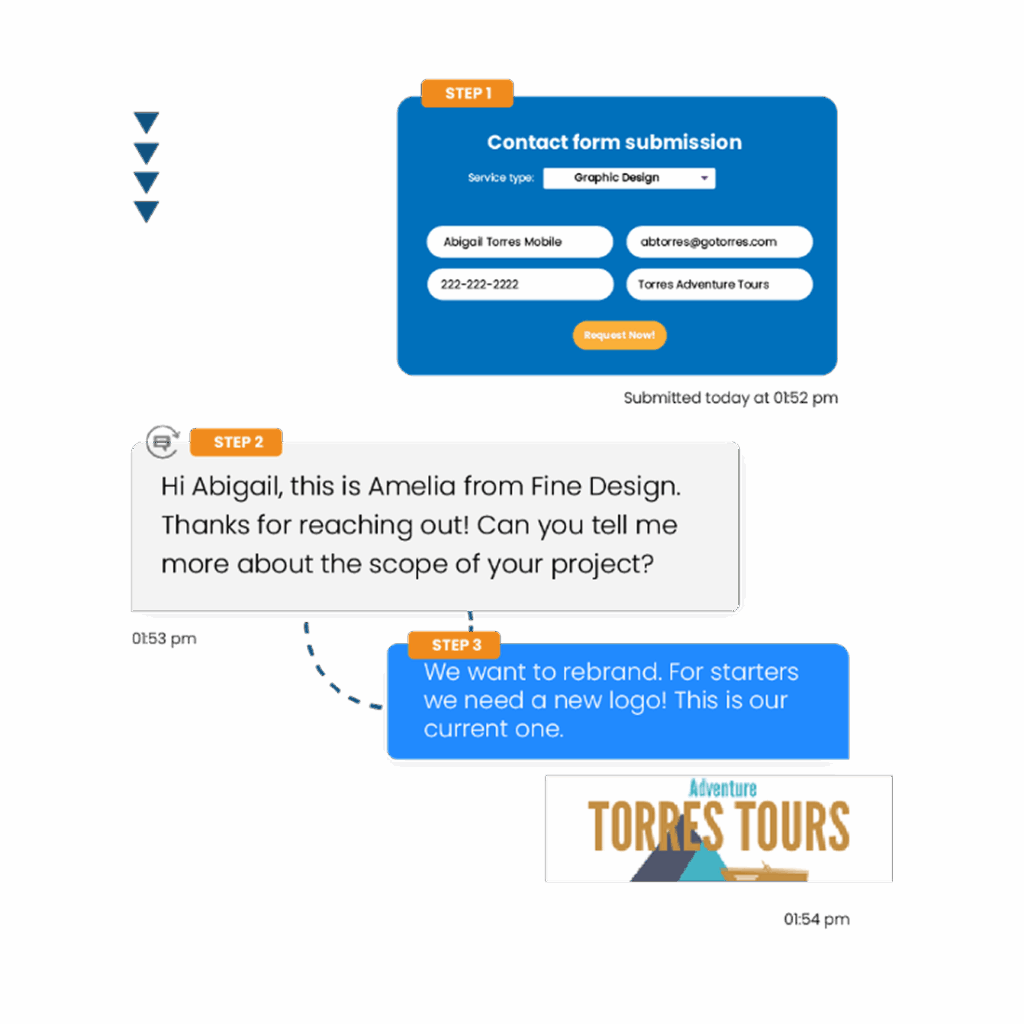
Two-way routing is the process that lets SMS messages flow in both directions between a business and its audience.
It routes outbound texts to recipients while also capturing and directing replies back into the correct thread, system, or agent queue.
It typically depends on phone numbers, routing rules, keywords, short codes or long codes, and integration with a messaging platform or CRM.
When a reply comes in, Two-way routing checks these rules to decide where the message should go, such as a specific campaign, workflow, or support team.
This operation affects the final user experience by making conversations feel continuous, timely, and relevant rather than one-sided or fragmented.
Two-Way Routing and How Messages Find Their Path
Two-way routing is particularly useful when multiple teams or systems share the same SMS number, such as sales, support, and billing. It keeps each reply aligned with the right context, so a customer asking about an invoice is not accidentally pushed to a sales workflow. In busy environments like contact centers or clinics, it reduces confusion by directing messages to the right queue without manual sorting. This improves efficiency and response time, which in turn maintains clarity for customers who expect fast, accurate answers. It also supports compliance by keeping records tied to the correct contact history and permissions, helping businesses stay organized and audit-ready. Because conversations stay coherent and personal, customers feel heard and are more likely to stay engaged over time.
98%
of texts are read immediately
70%
of consumers want to text businesses
40%
of consumers said they have tried to text a business
Two-Way Routing Best Practices
Two-way routing works best when every message has a clear purpose and a defined owner.
When you design flows, map who should receive each type of reply and document the rules in plain language so that teams interpret them the same way.
In real conversations, make sure replies are short, direct, and written in a calm, respectful tone, even when customers are upset.
Agents should avoid jargon and internal abbreviations, since routed messages may be read by people outside your organization or across different departments.
Data accuracy is critical, so keep contact records, tags, and conversation IDs aligned with your routing rules to prevent replies from landing in the wrong queue.
Test common scenarios like opt-outs, wrong numbers, and off-topic replies, and verify that each path leads to a consistent and professional response.
A frequent mistake is letting automated replies and human agents use different wording or promises, which confuses customers and weakens trust.
Regular reviews of transcripts help identify broken rules, slow handoffs, and unclear messages so that routing stays predictable and reliable over time.
Everything You Need to Scale SMS
Read
Our Blog
14 Promotional Message Examples to Capture Customers
Keeping in touch with customers is essential for any business looking to succeed. One of...
The Textellent Messenger is a Chrome extension that lets your team text inside the apps you already use—no code, no tab-switching. View full conversation history, reuse approved templates and media, and keep replies organized in a shared inbox.
Textellent integrates with 800+ apps—CRMs, schedulers, forms, and payment platforms—so data flows in and texts go out at the perfect moment. Map fields once, tag contacts consistently, and keep systems in sync.
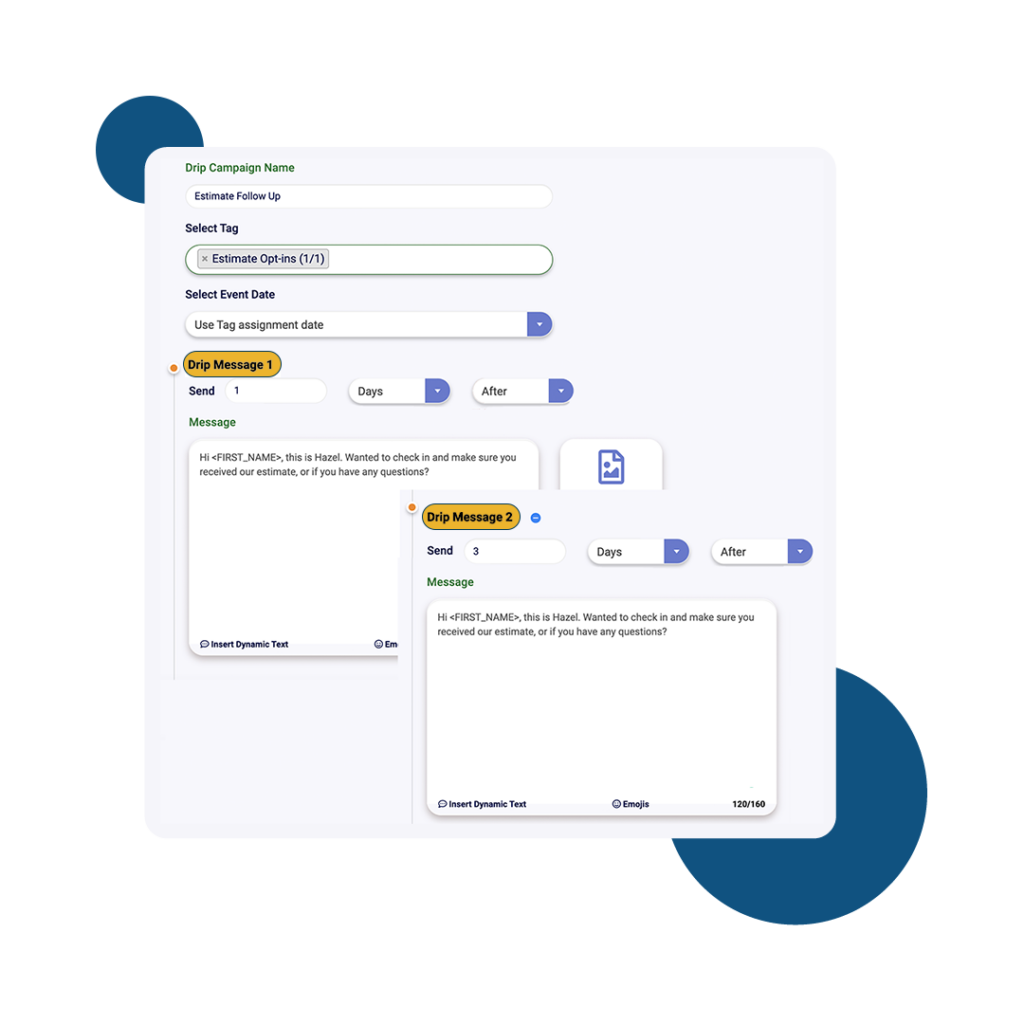
Turn common events into automatic SMS touchpoints: new leads, appointments, payments, status changes, and more. Build simple, rules-based flows that send the right text and follow-ups without manual work.
The Franchisor Module gives franchisors clear visibility across locations while empowering franchisees to execute consistent, on-brand texting that drives growth. Scale what works and spot where support is needed—fast.
Keep conversations moving on the go. The Textellent Mobile app brings your shared inbox to iOS & Android with real-time push notifications, quick-reply templates and media, conversation assignment, and full sync to your CRM—so nothing slips through when you’re away from your desk.