Workflow triggers help business texting run on its own by starting specific SMS conversations whenever certain conditions are met, like a new contact or a status change. They connect your SMS flows to real-world events so messages go out at the right moment without extra manual work. This guide outlines how workflow triggers operate in practice and when they fit naturally into everyday communication.
Workflow triggers are automatic starting points that kick off specific SMS workflows based on defined conditions or events.
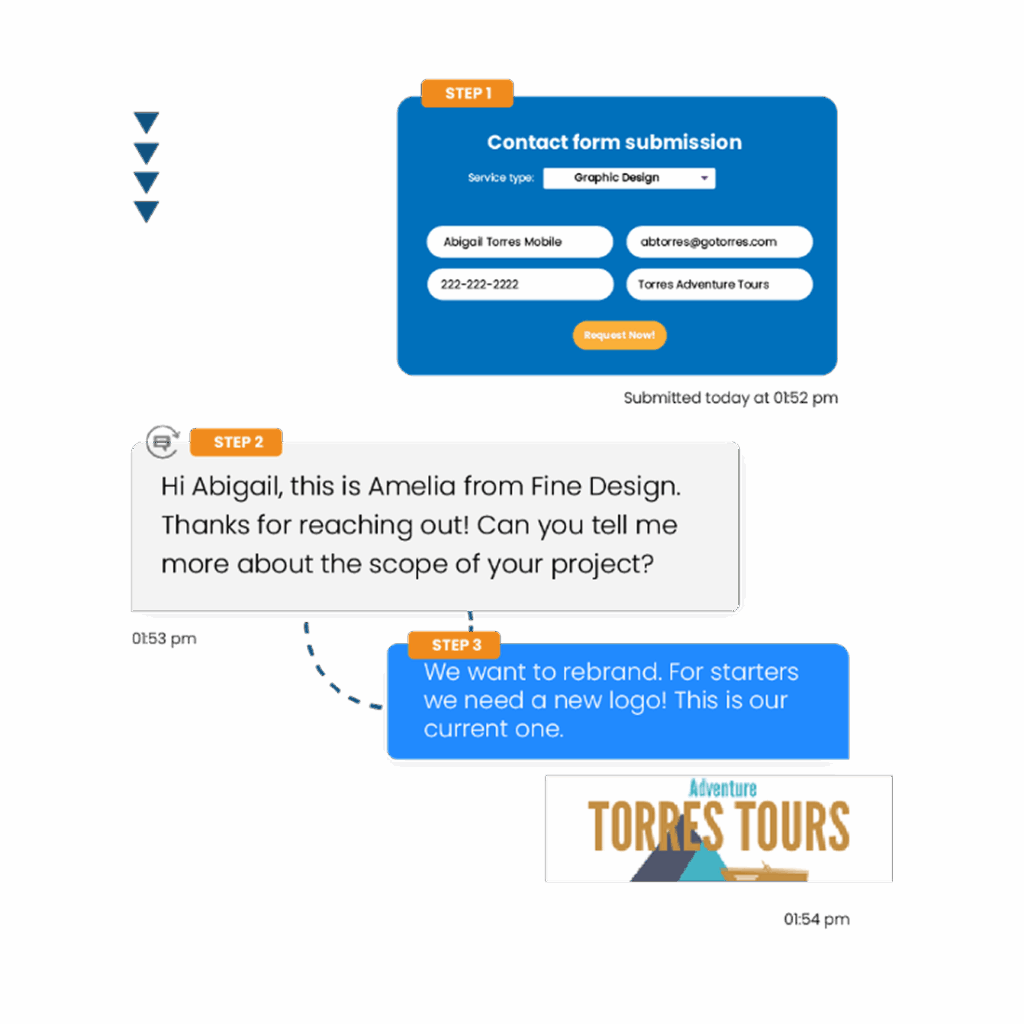
They function by listening for actions such as a new contact being added, a form being submitted, a tag being applied, or a date being reached, then instantly starting the matching workflow.
Behind the scenes, workflow triggers depend on contact data, behavior logs, time-based rules, and any internal fields you have mapped to your messaging logic.
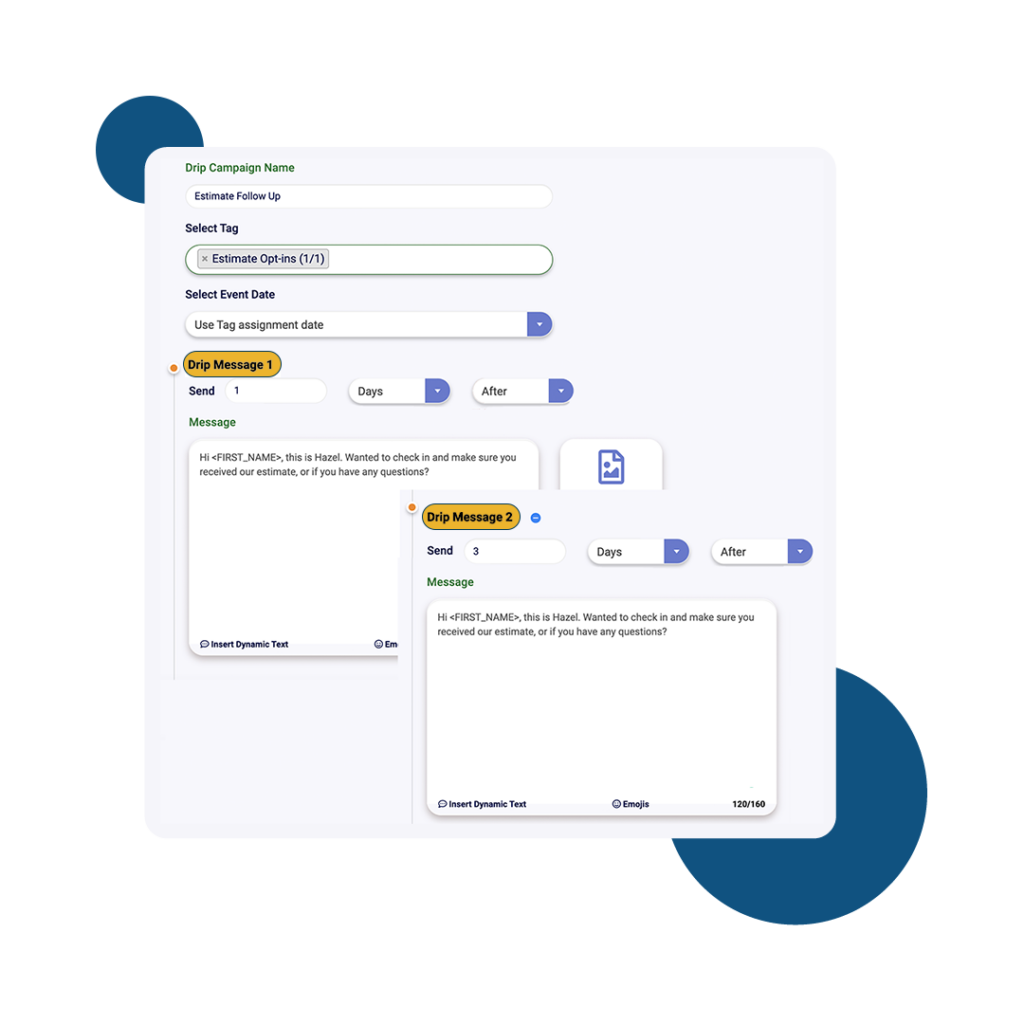
Once activated, they determine which message is sent, when it is delivered, and who receives it, all without manual intervention.
This directly shapes the user’s experience by sending messages at relevant moments, keeping timing consistent and content aligned with each person’s current context.
Using Workflow Triggers to Connect Events With Actions
Workflow triggers are especially useful when timing and context matter more than volume. They shine in cases like onboarding sequences, service follow-ups, and internal alerts, where a specific customer action or date needs to quietly set the next step in motion. In a support workflow, a trigger tied to ticket status can send clear SMS updates so customers know what is happening without chasing your team. For sales or renewals, triggers based on deal stages or contract dates keep outreach consistent while still reacting to each contact’s position in the pipeline. This kind of automation reduces manual oversight, keeps compliance rules easier to follow, and makes sure your SMS program feels organized rather than reactive.
98%
of texts are read immediately
70%
of consumers want to text businesses
40%
of consumers said they have tried to text a business
Workflow Triggers Best Practices
Using workflow triggers effectively starts with a clear definition of what each trigger is meant to do and who it affects.
Each trigger should reflect a real business event, with message copy written to match that exact moment so customers understand why they are receiving the SMS.
It helps to connect triggers only to reliable data points, such as verified contact fields or stable CRM flags, and to avoid using fields that often change or contain free-text notes.
Testing sample contacts through each trigger path lets you confirm that timing, tone, and content all line up with your intended experience before turning volume up.
Keeping messages concise, polite, and consistent with your brand voice prevents automated SMS from feeling abrupt or robotic.
One common mistake is stacking too many workflow triggers on the same event, which can lead to duplicate or conflicting messages going out at once.
Another pitfall is forgetting to update or disable triggers when business rules change, which quietly undermines data accuracy and overall operational consistency.
Everything You Need to Scale SMS
Read
Our Blog
14 Promotional Message Examples to Capture Customers
Keeping in touch with customers is essential for any business looking to succeed. One of...
Perfect Out-of-Office Message Templates For Every Situation
Explore our out-of-office message examples and find out how to craft one that best suits your setting. Learn how to send professional SMS with Textellent.
The Textellent Messenger is a Chrome extension that lets your team text inside the apps you already use—no code, no tab-switching. View full conversation history, reuse approved templates and media, and keep replies organized in a shared inbox.
Textellent integrates with 800+ apps—CRMs, schedulers, forms, and payment platforms—so data flows in and texts go out at the perfect moment. Map fields once, tag contacts consistently, and keep systems in sync.
Turn common events into automatic SMS touchpoints: new leads, appointments, payments, status changes, and more. Build simple, rules-based flows that send the right text and follow-ups without manual work.
The Franchisor Module gives franchisors clear visibility across locations while empowering franchisees to execute consistent, on-brand texting that drives growth. Scale what works and spot where support is needed—fast.
Keep conversations moving on the go. The Textellent Mobile app brings your shared inbox to iOS & Android with real-time push notifications, quick-reply templates and media, conversation assignment, and full sync to your CRM—so nothing slips through when you’re away from your desk.