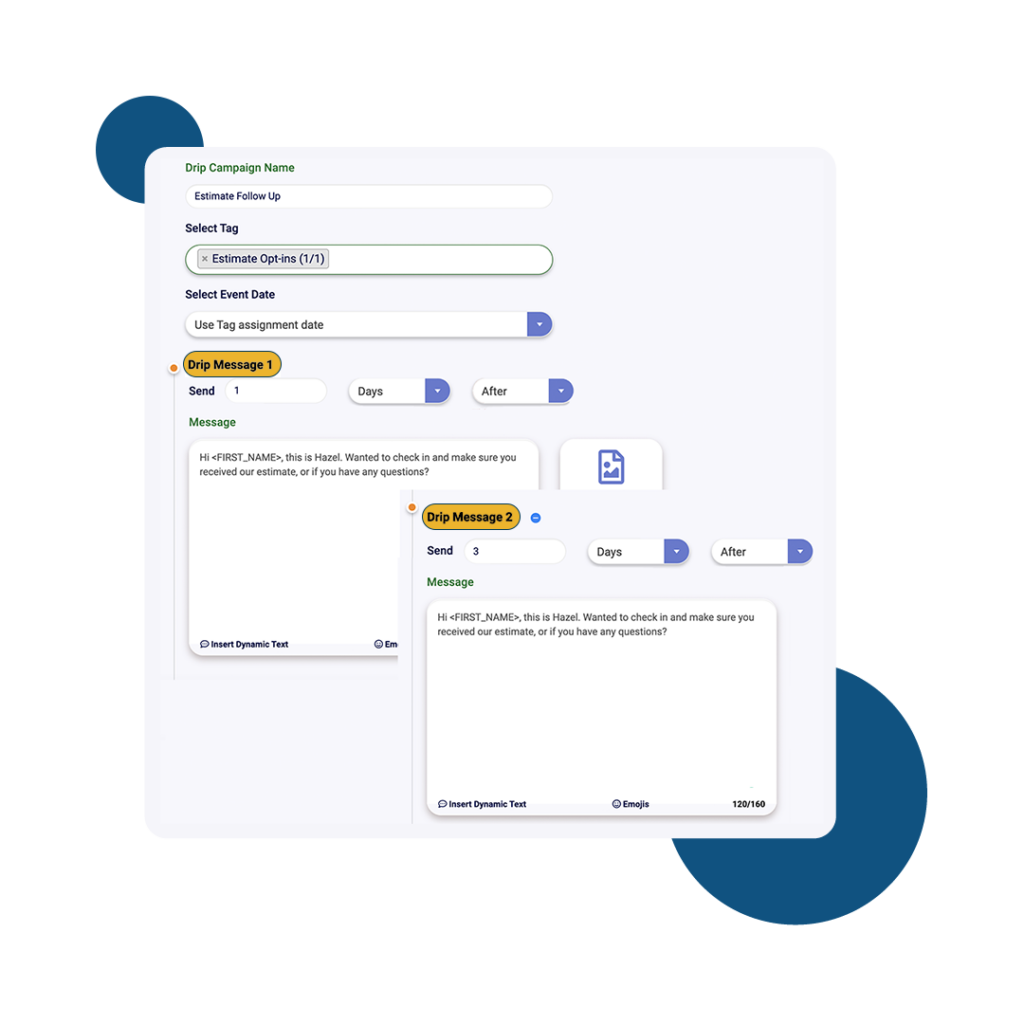
Low response rates describe how often people actually reply to business SMS messages, highlighting whether a texting strategy is connecting with its audience or falling flat. They give teams a simple, practical metric that reflects real engagement so they can decide when messages might need clearer wording, better timing, or more relevant targeting. This guide explains how low response rates work in SMS programs and when to focus on them in everyday operations.
Low response rates describe situations where only a small percentage of recipients reply to the SMS messages they receive.
They function as a practical signal that shows how well your messages are connecting with your audience.
In a typical SMS workflow, the platform tracks how many messages were sent and how many replies came back, then calculates a simple ratio.
This depends on accurate delivery reports, timestamps, contact data, and reply tracking so the system can compare responses against total sends.
It often also relies on campaign tags, opt-in status, and message content data to interpret why responses are low.
Low response rates affect the final experience by revealing that messages may feel irrelevant, confusing, or too frequent, so teams can adjust timing, wording, or targeting to make communication more useful and engaging.
Why Your Response Rates Are Dropping and How to Improve Them
Low response rates are especially useful to monitor in time-sensitive scenarios like flash sales, event confirmations, and support follow-ups where replies indicate whether customers are actually engaging. They help teams quickly spot when a specific campaign, segment, or time slot is underperforming, which is critical when operations rely on fast decisions. By reviewing low response rates side by side with message content and timing, businesses can refine wording so that questions are clear, calls for replies are simple, and expectations are obvious. This improves efficiency because staff spend less time chasing unresponsive contacts and more time talking with people who genuinely want to engage. Low response rates also highlight personalization gaps, such as generic offers sent to the wrong segment, so marketers can adjust targeting and make sure messages feel relevant and compliant with consent and frequency preferences.
98%
of texts are read immediately
70%
of consumers want to text businesses
40%
of consumers said they have tried to text a business
Improving Low Response Rates Through Best Practices
Improving low response rates in daily operations starts with writing messages that are simple to understand at a glance.
Each text should have a clear purpose stated in plain language, with one specific action or reply option so people are not left guessing what to do.
Maintaining a calm, respectful tone helps contacts feel comfortable replying, especially when dealing with late payments, scheduling issues, or support problems.
Teams should keep reference data, such as names, dates, and order details, aligned across their CRM and messaging tools so replies are based on accurate information.
Testing a few sample messages before sending to a larger group can reveal awkward phrasing, missing context, or questions that feel too pushy.
A consistent writing style, approval process, and send cadence across departments makes conversations feel stable rather than random or spammy.
Common pitfalls include sending too many reminders in a short period, using slang that some audiences find unprofessional, and ignoring past replies when planning new outreach.
Everything You Need to Scale SMS
Read
Our Blog
14 Promotional Message Examples to Capture Customers
Keeping in touch with customers is essential for any business looking to succeed. One of...
Perfect Out-of-Office Message Templates For Every Situation
Explore our out-of-office message examples and find out how to craft one that best suits your setting. Learn how to send professional SMS with Textellent.
The Textellent Messenger is a Chrome extension that lets your team text inside the apps you already use—no code, no tab-switching. View full conversation history, reuse approved templates and media, and keep replies organized in a shared inbox.
Textellent integrates with 800+ apps—CRMs, schedulers, forms, and payment platforms—so data flows in and texts go out at the perfect moment. Map fields once, tag contacts consistently, and keep systems in sync.
Turn common events into automatic SMS touchpoints: new leads, appointments, payments, status changes, and more. Build simple, rules-based flows that send the right text and follow-ups without manual work.
The Franchisor Module gives franchisors clear visibility across locations while empowering franchisees to execute consistent, on-brand texting that drives growth. Scale what works and spot where support is needed—fast.
Keep conversations moving on the go. The Textellent Mobile app brings your shared inbox to iOS & Android with real-time push notifications, quick-reply templates and media, conversation assignment, and full sync to your CRM—so nothing slips through when you’re away from your desk.