Automation engines help businesses handle complex SMS conversations by automatically sending and updating messages based on simple rules. They connect timing, content, and customer data so texts stay relevant without constant manual work or guesswork. This guide outlines how Automation engines operate in everyday SMS workflows and when they are most useful in a business context.
Automation engines are behind-the-scenes tools that automatically trigger and send SMS messages based on rules you set.
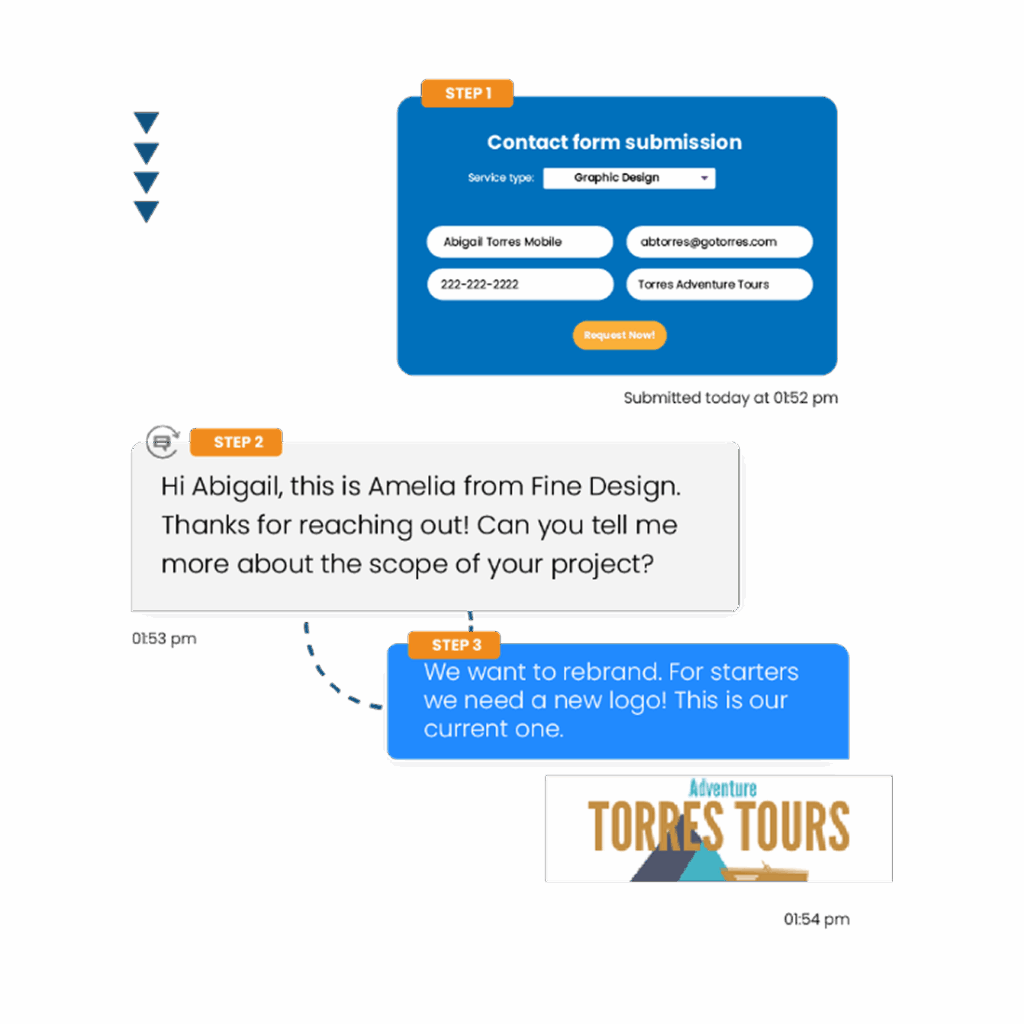
They monitor events such as signups, purchases, time delays, or status changes, then decide which message to send and when.
They rely on contact data, past message history, behavioral signals, and any custom fields stored in your system.
They also depend on workflow logic, such as conditions, filters, and branching, to pick the right path for each recipient.
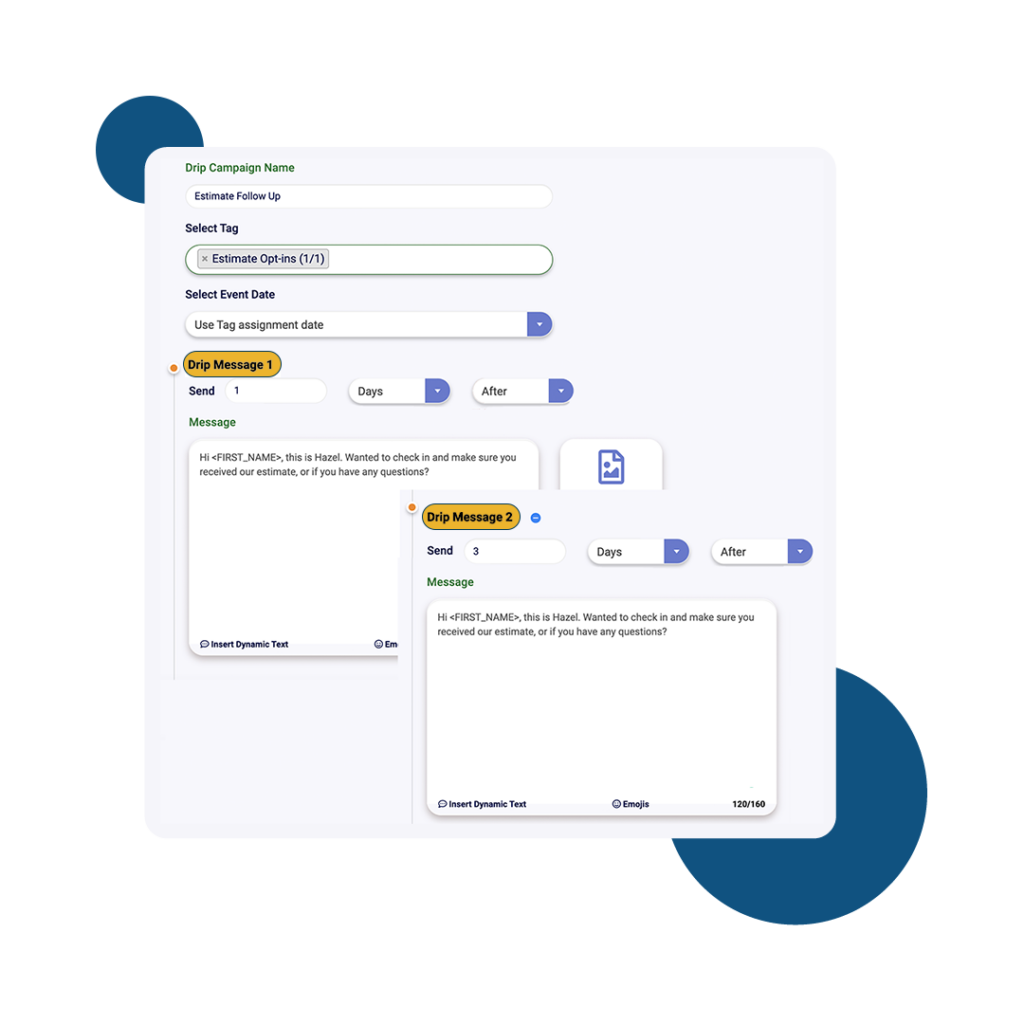
Within SMS communication, automation engines handle timing, frequency, and sequencing so messages arrive in a logical, helpful order.
They shape the final message by inserting relevant details and choosing only messages that match the context.
This makes sure people receive consistent, timely, and personalized SMS conversations without constant manual effort.
Automation Engines That Power Complex Messaging Workflows
Automation engines shine in scenarios where a business needs to coordinate many related text messages without confusing customers. They are especially useful for journeys that unfold over days or weeks, such as onboarding a new user, nurturing a lead after an event, or guiding a customer through a support or repair process. By structuring these touchpoints, automation engines improve clarity so each message references what happened before and what comes next. They also reduce manual work for teams, cutting the risk of forgotten follow-ups or inconsistent responses. In regulated or sensitive situations like healthcare reminders or financial updates, automation engines help keep timing, consent status, and message content aligned with compliance rules while still feeling personal and relevant.
98%
of texts are read immediately
70%
of consumers want to text businesses
40%
of consumers said they have tried to text a business
Automation Engines Best Practices
Automation engines work best when each journey has a clear purpose and outcome, so start by defining exactly what a recipient should understand after each SMS.
This makes it easier to keep copy short, purposeful, and free of extra detail that could distract or confuse people.
Clarity improves when every automated message reads as if it was written for one person, with plain language, simple sentence structure, and no internal jargon or system codes.
Tone should stay consistent across all steps, so draft re-usable phrasing that reflects your brand and avoid sudden shifts from formal to casual.
Data accuracy is critical for trust, so make sure fields used by the automation engines are validated, regularly cleaned, and mapped correctly from your CRM or other systems.
Run tests with real data before going live, then spot-check samples to confirm values display as expected and links still work.
Operational consistency depends on stable rules, so document triggers, timing, and fallbacks, and avoid overlapping journeys that could cause duplicate or contradictory SMS.
Everything You Need to Scale SMS
Read
Our Blog
14 Promotional Message Examples to Capture Customers
Keeping in touch with customers is essential for any business looking to succeed. One of...
Perfect Out-of-Office Message Templates For Every Situation
Explore our out-of-office message examples and find out how to craft one that best suits your setting. Learn how to send professional SMS with Textellent.
The Textellent Messenger is a Chrome extension that lets your team text inside the apps you already use—no code, no tab-switching. View full conversation history, reuse approved templates and media, and keep replies organized in a shared inbox.
Textellent integrates with 800+ apps—CRMs, schedulers, forms, and payment platforms—so data flows in and texts go out at the perfect moment. Map fields once, tag contacts consistently, and keep systems in sync.
Turn common events into automatic SMS touchpoints: new leads, appointments, payments, status changes, and more. Build simple, rules-based flows that send the right text and follow-ups without manual work.
The Franchisor Module gives franchisors clear visibility across locations while empowering franchisees to execute consistent, on-brand texting that drives growth. Scale what works and spot where support is needed—fast.
Keep conversations moving on the go. The Textellent Mobile app brings your shared inbox to iOS & Android with real-time push notifications, quick-reply templates and media, conversation assignment, and full sync to your CRM—so nothing slips through when you’re away from your desk.